More
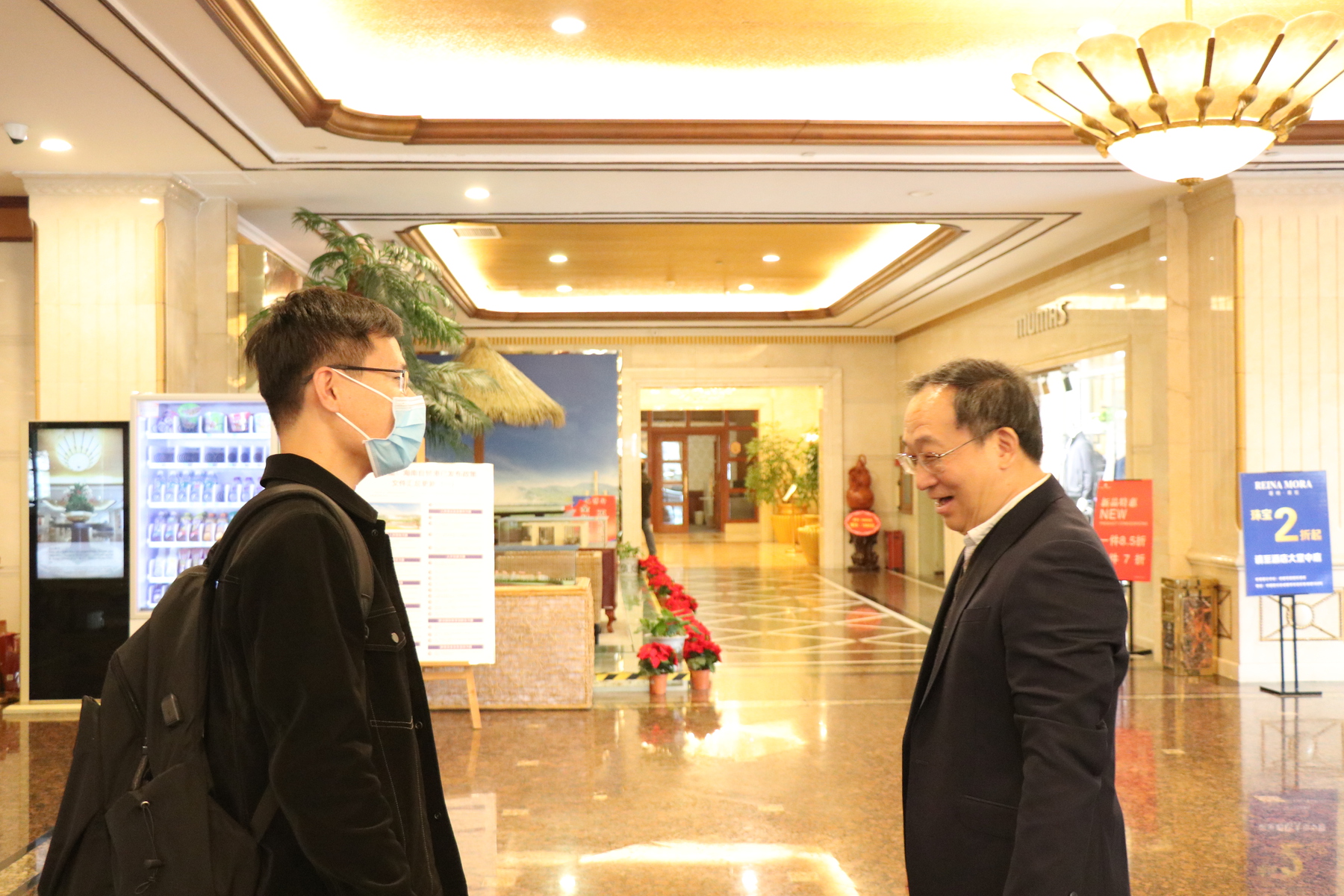
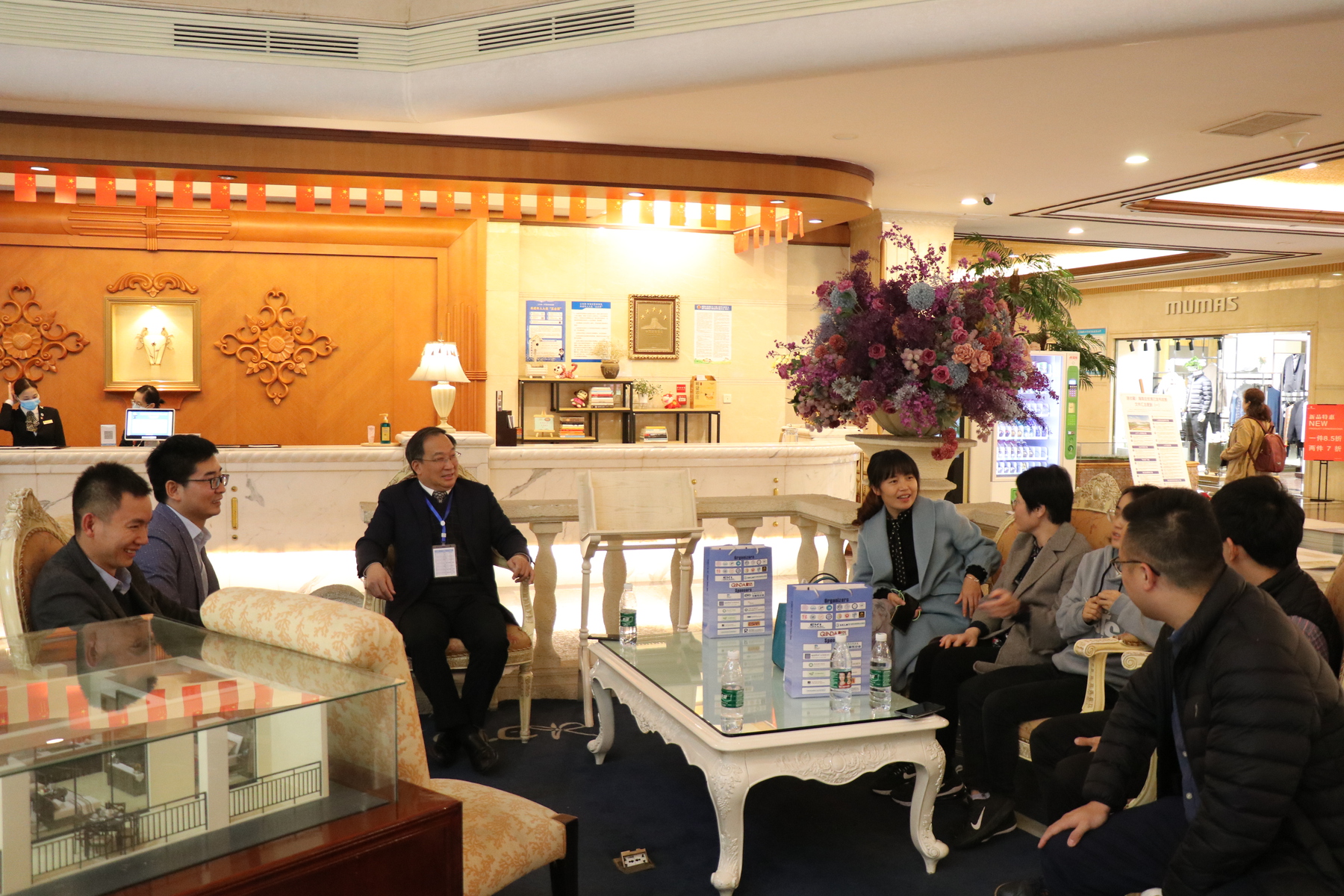
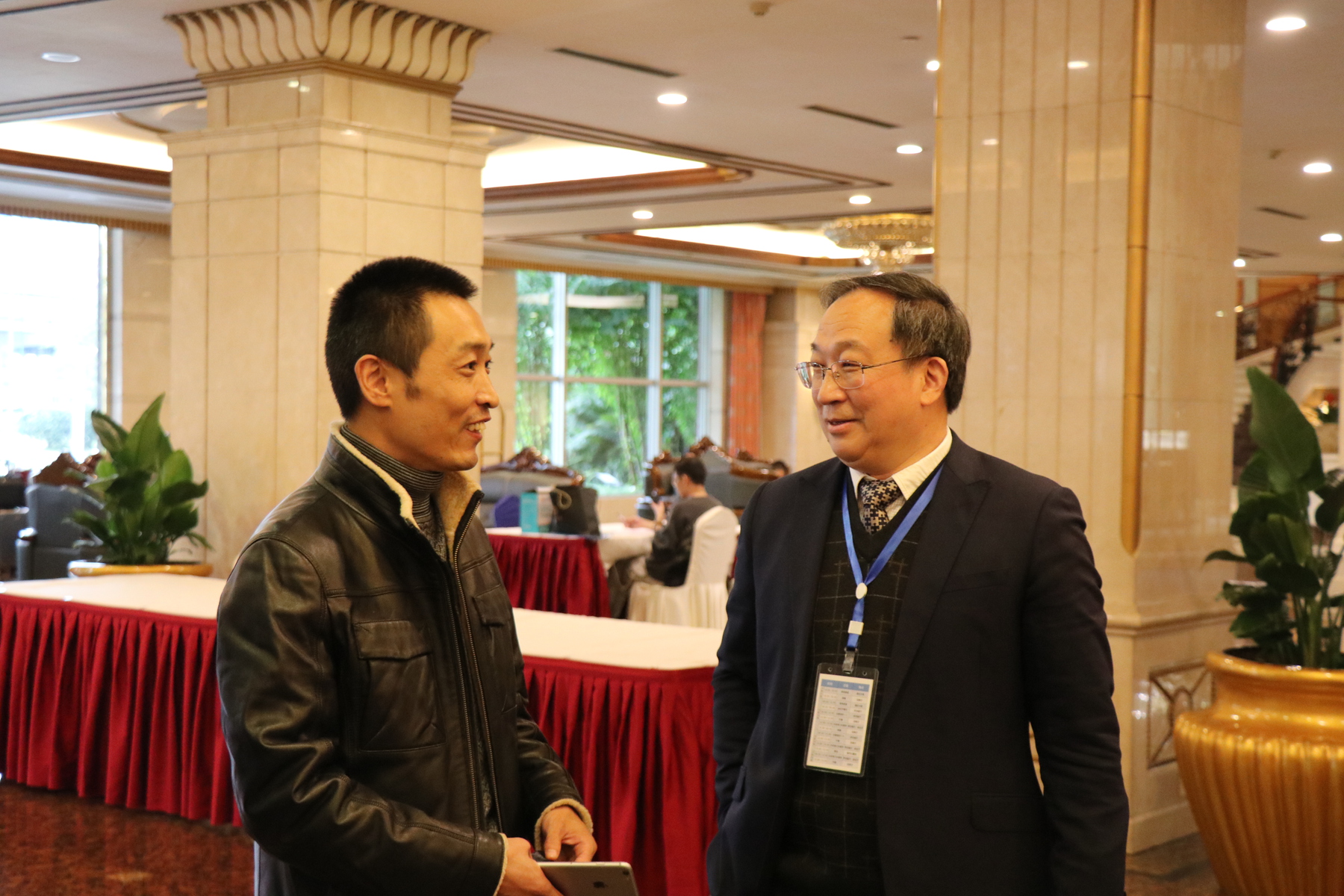
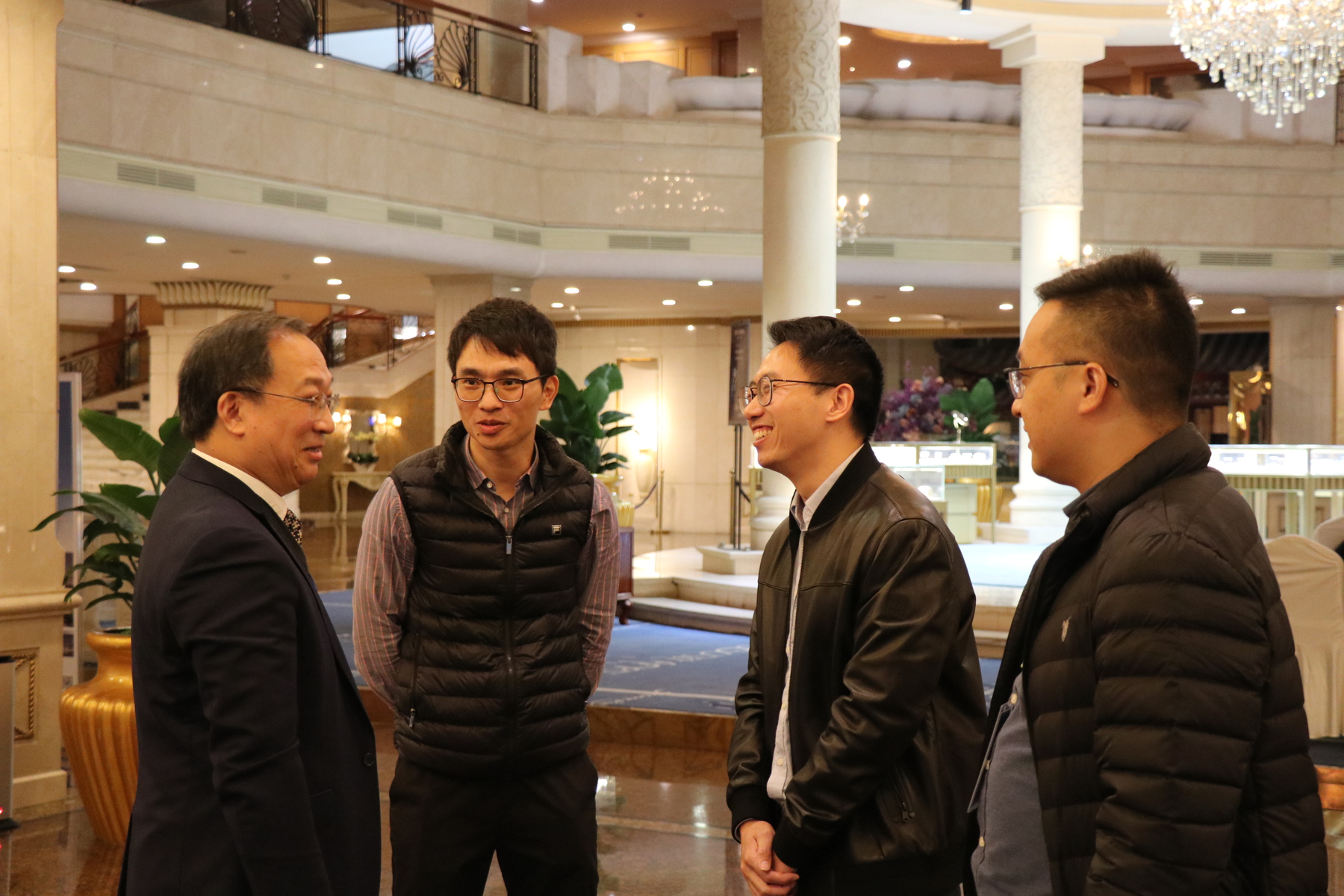
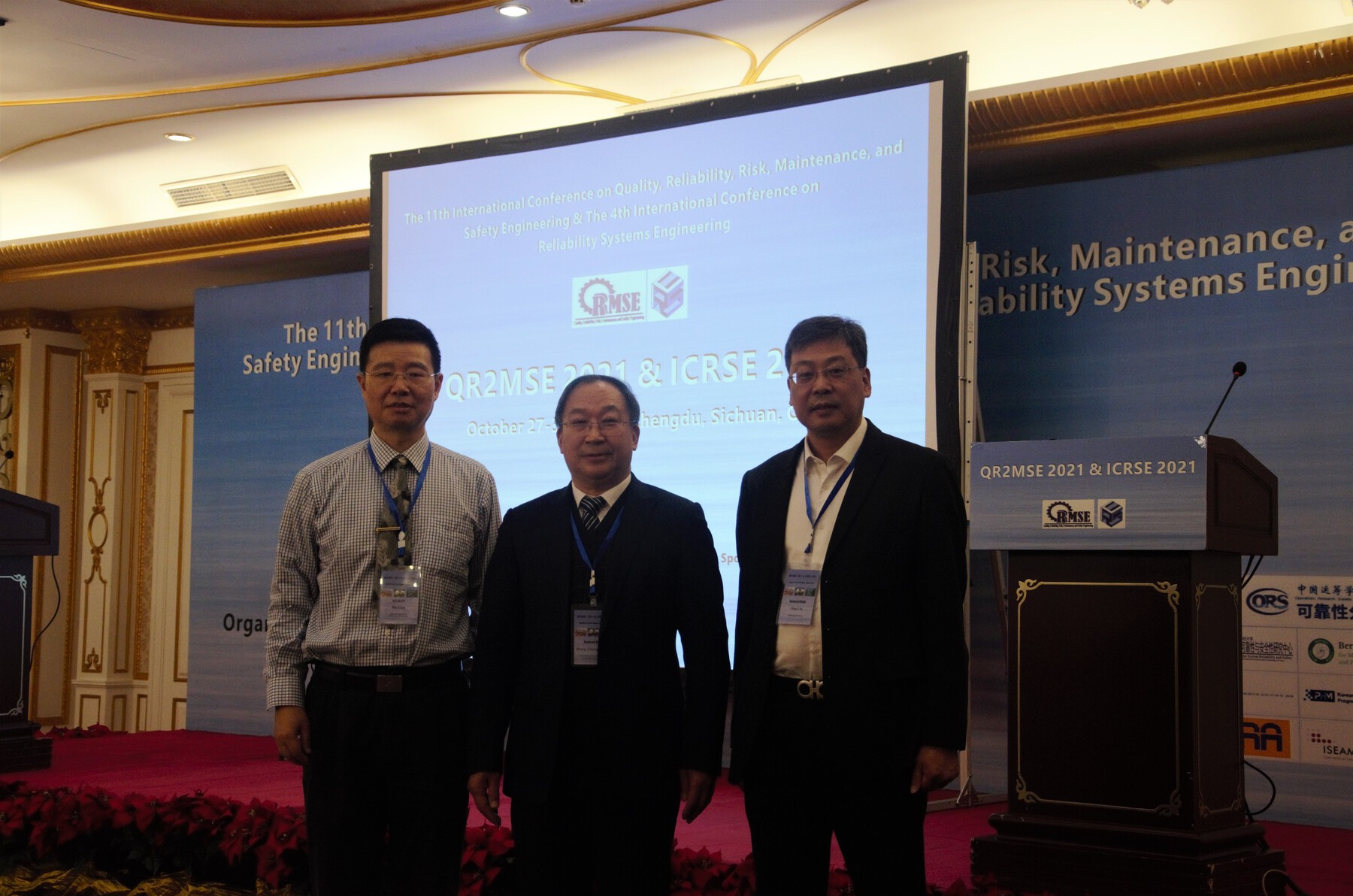
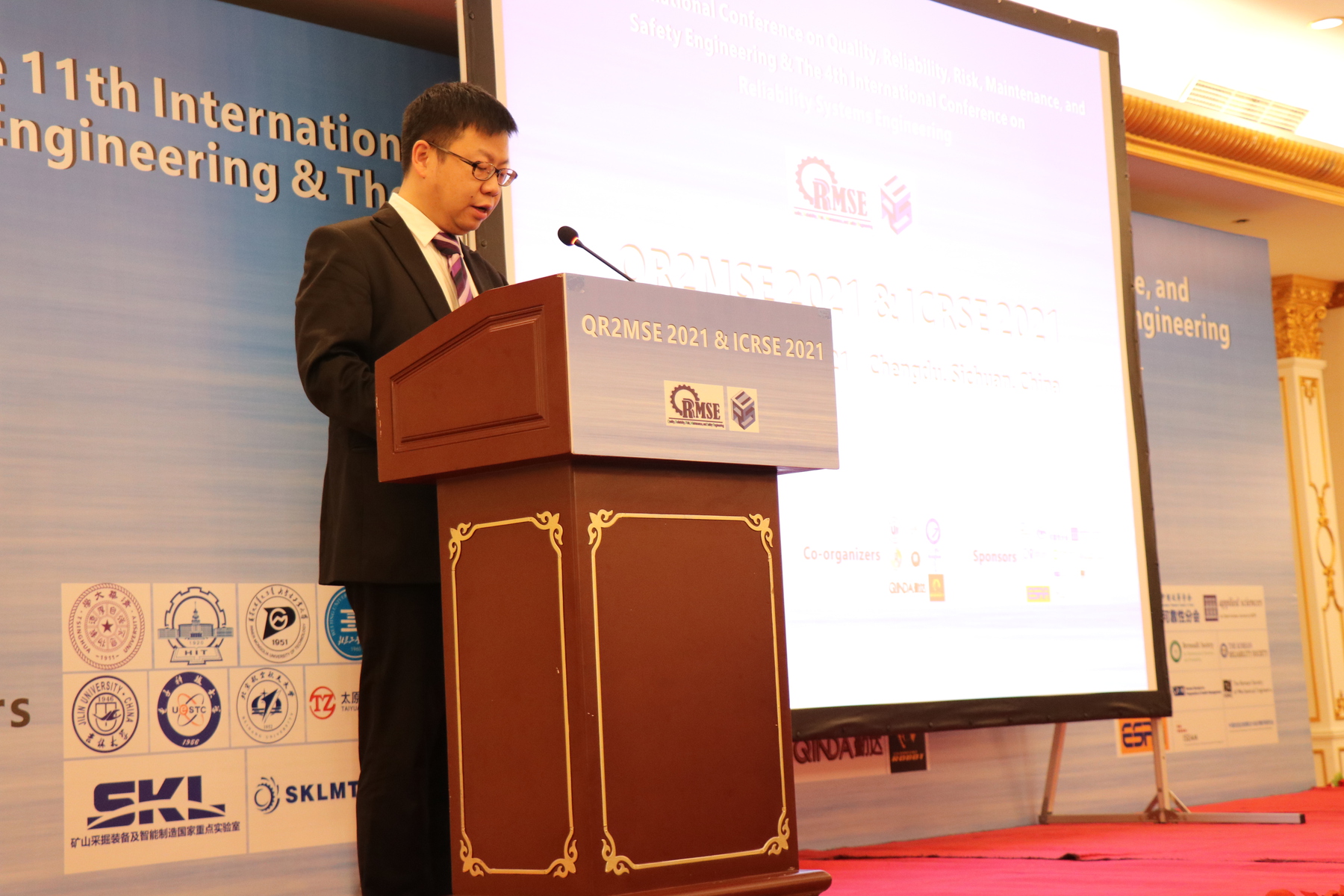
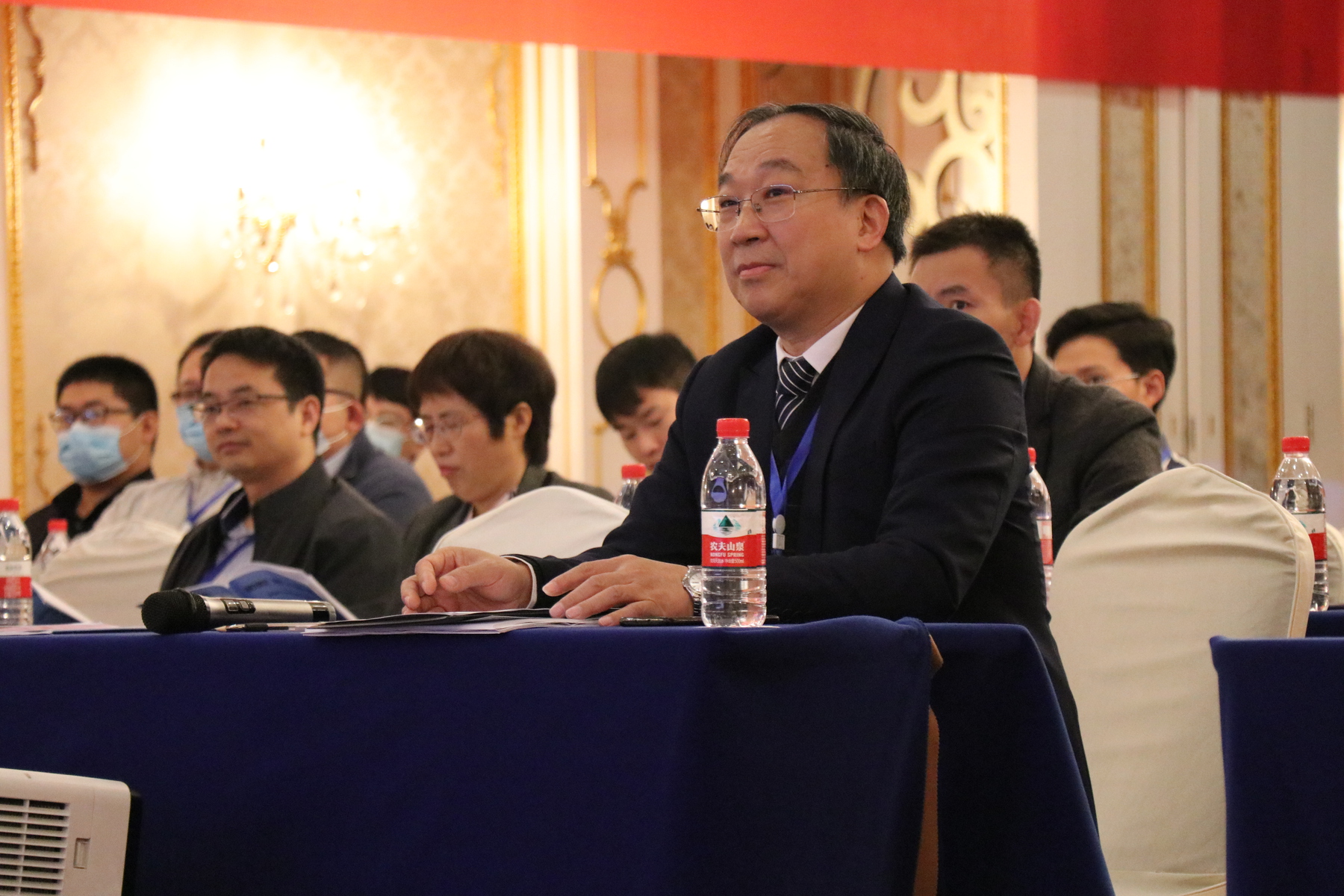
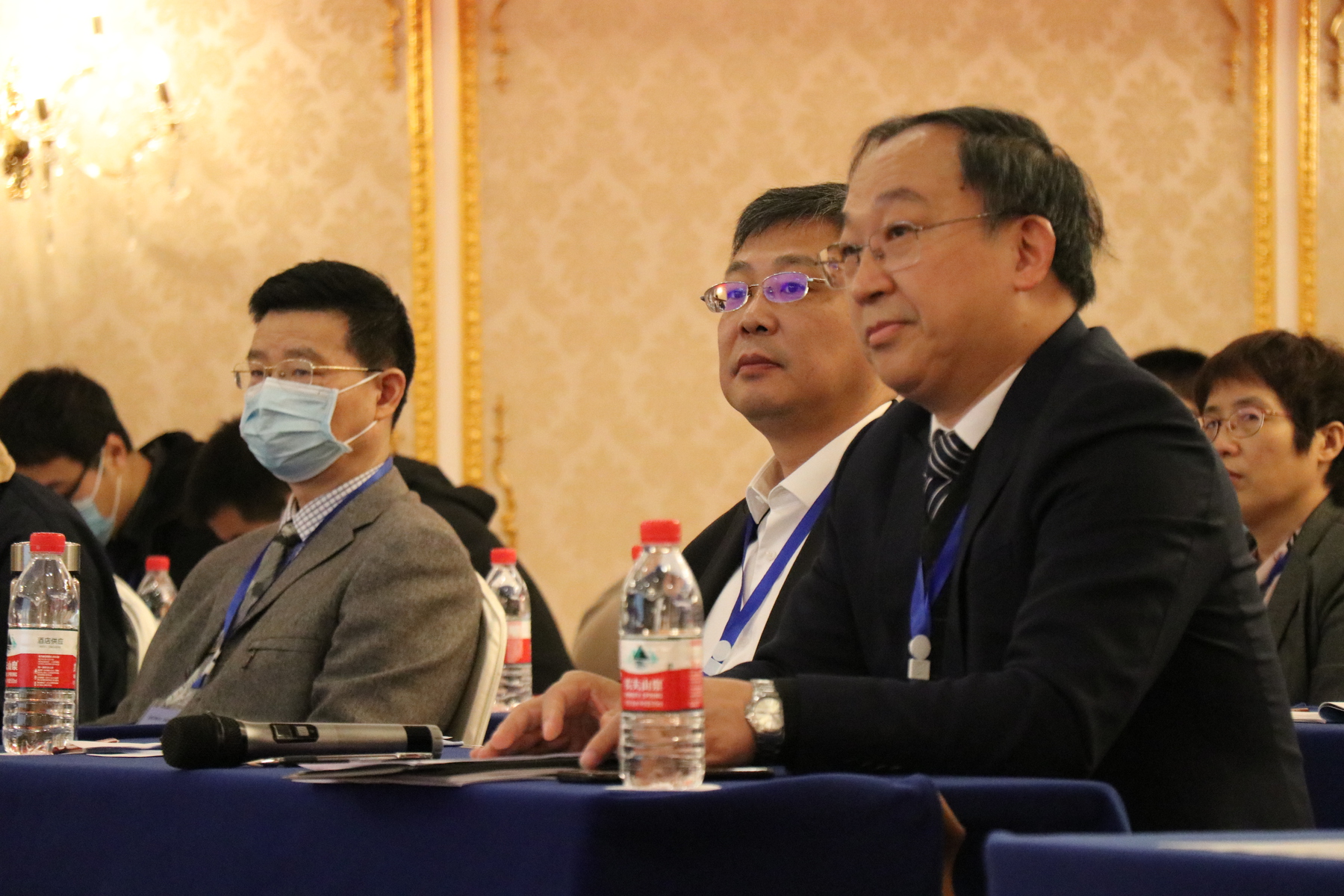
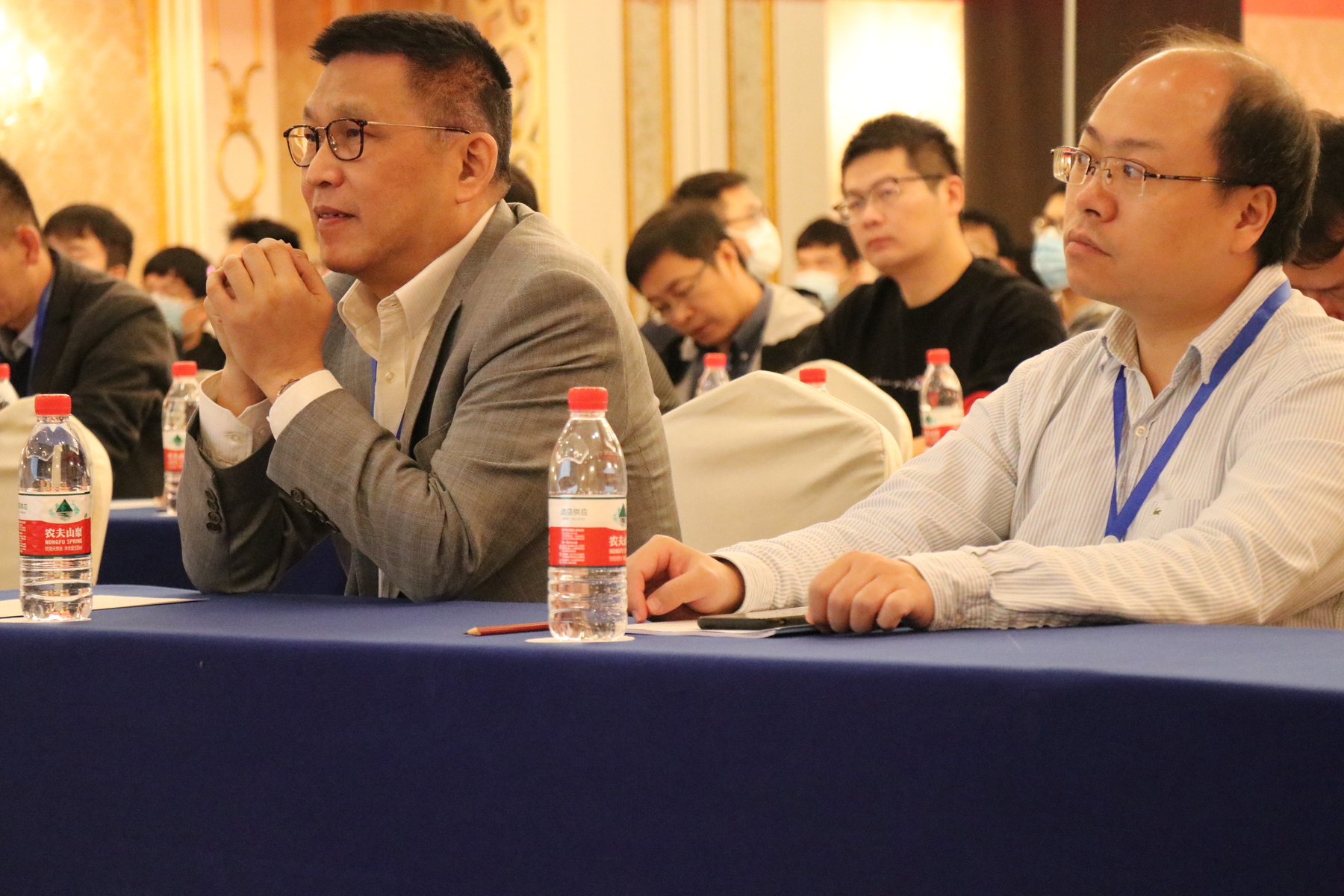
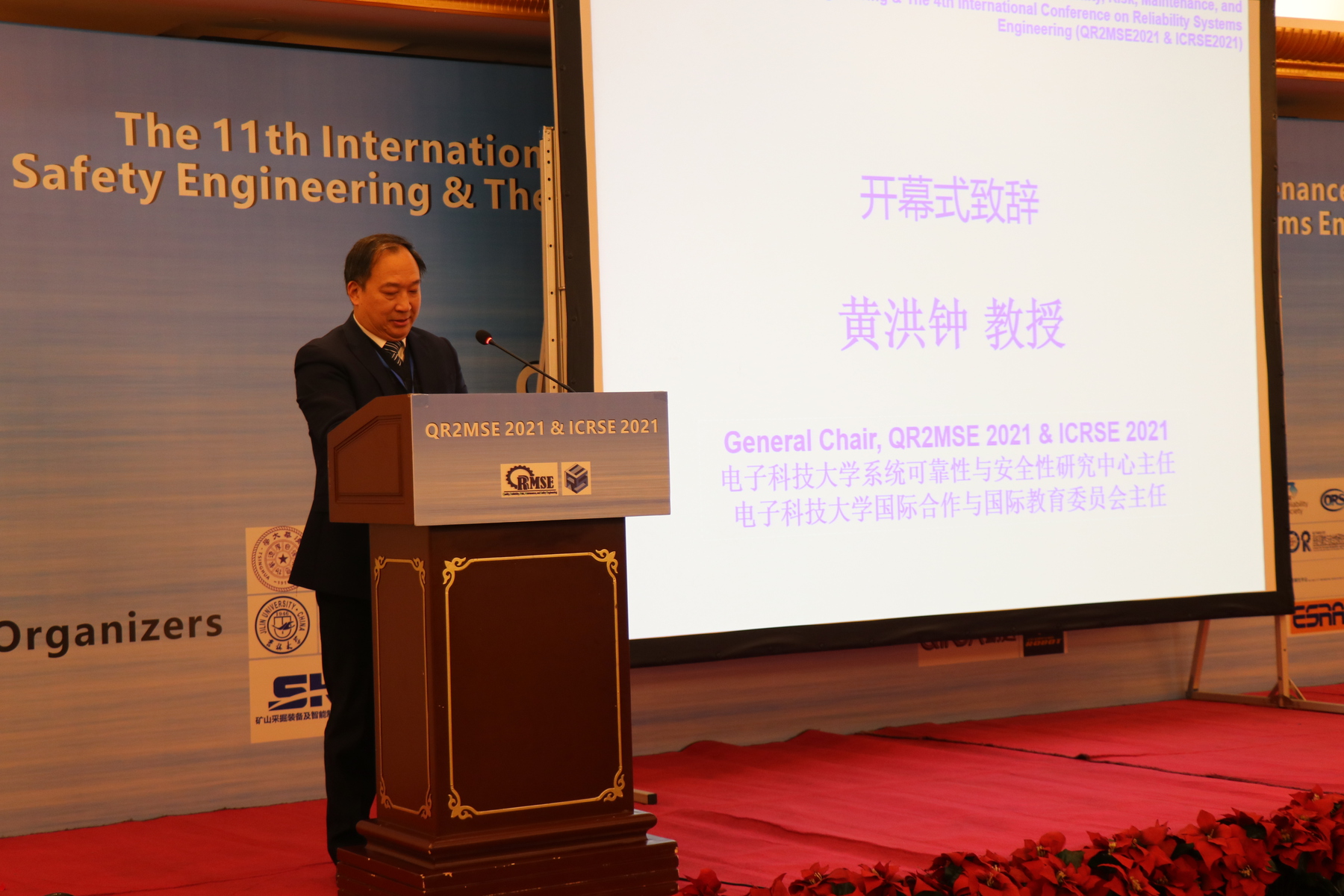
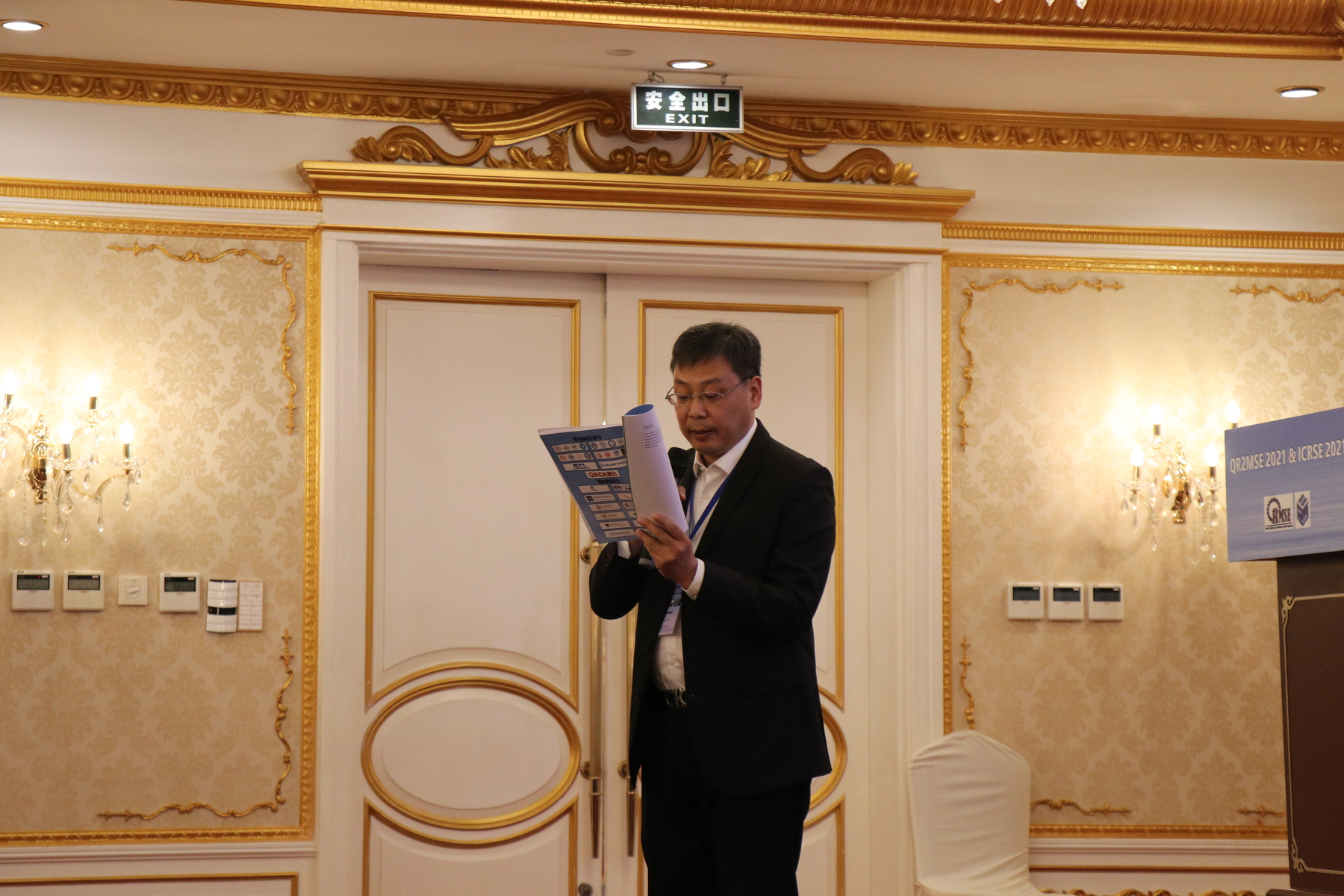
QR2MSE2021 and ICRSE2021 – Overview of Photos
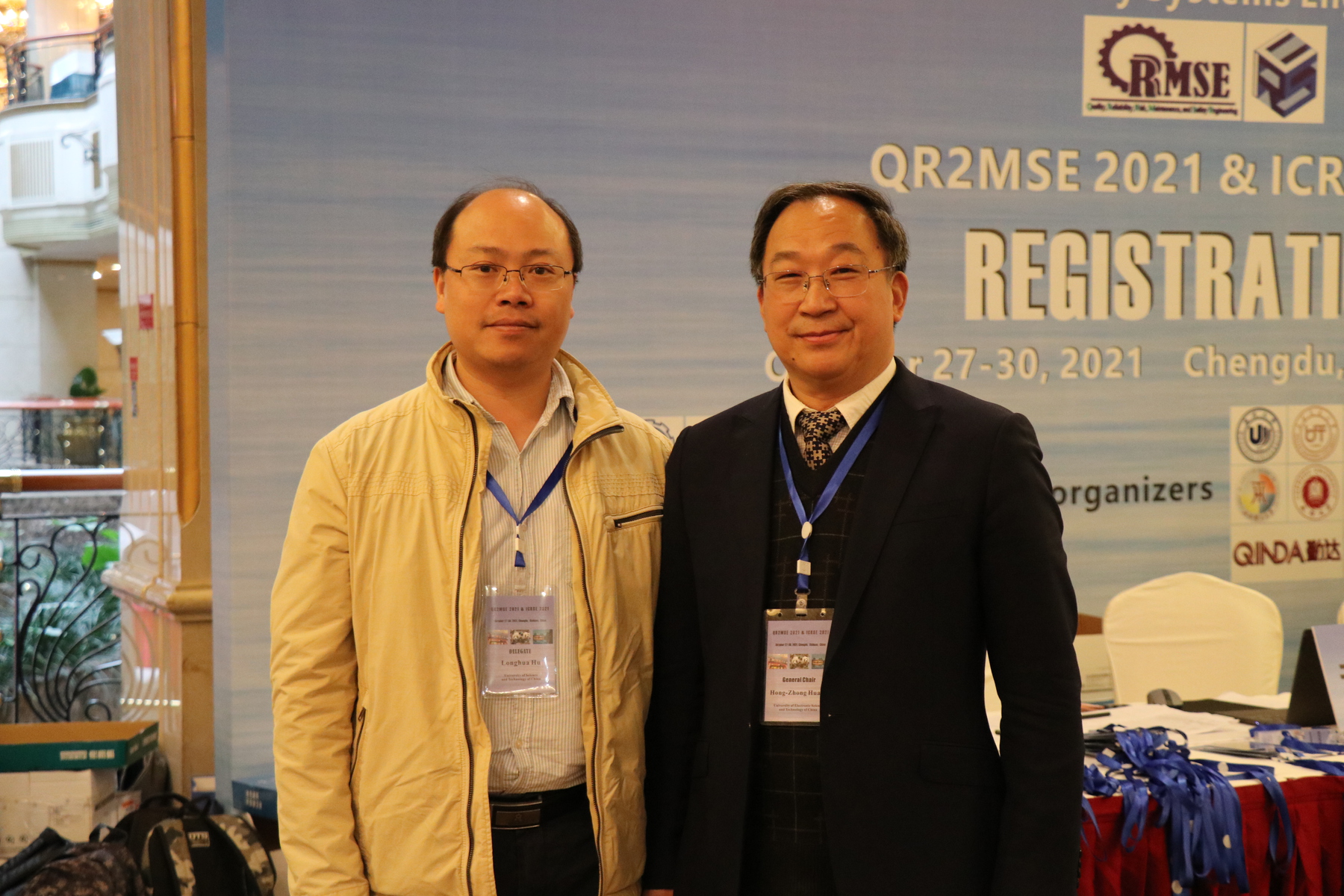
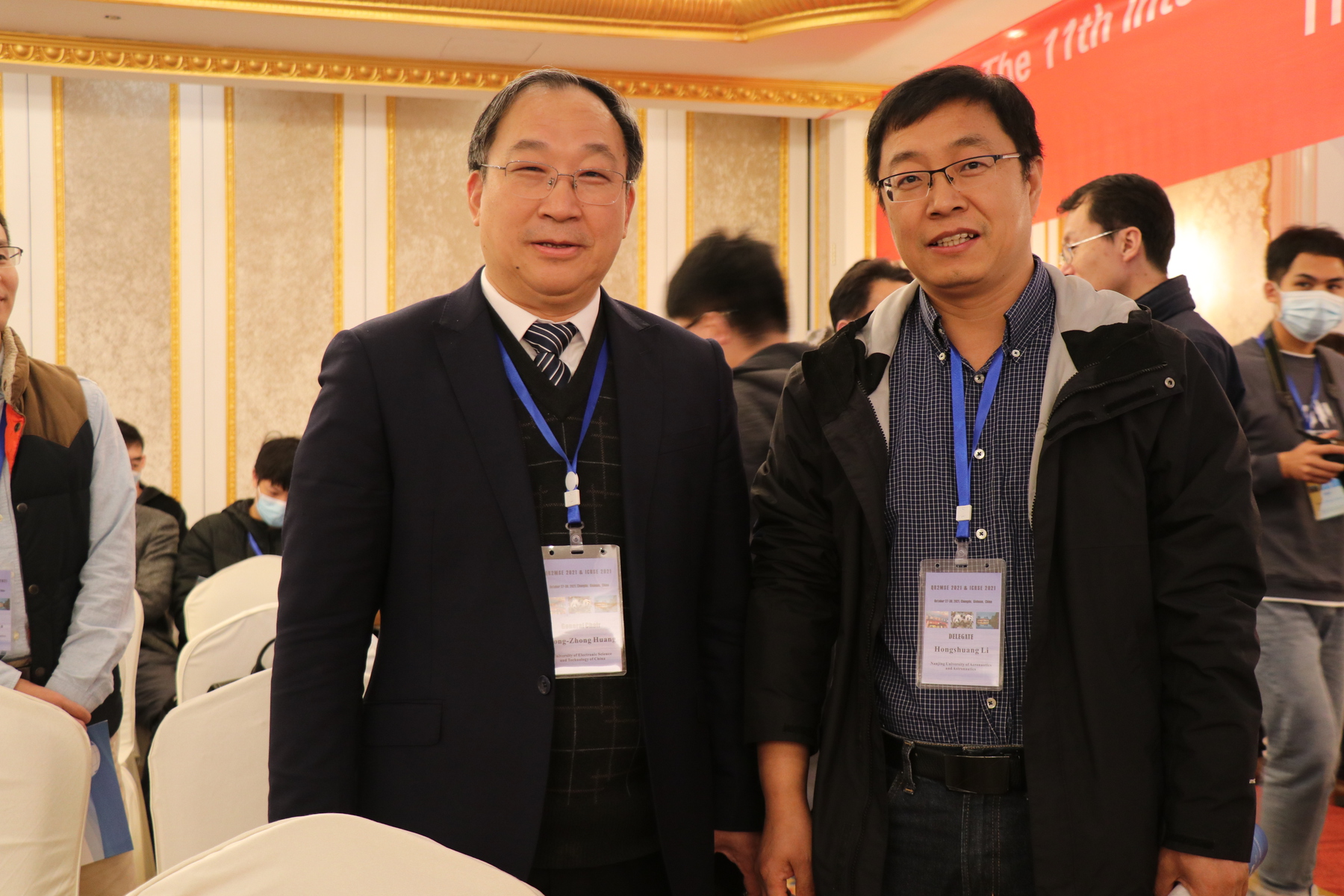
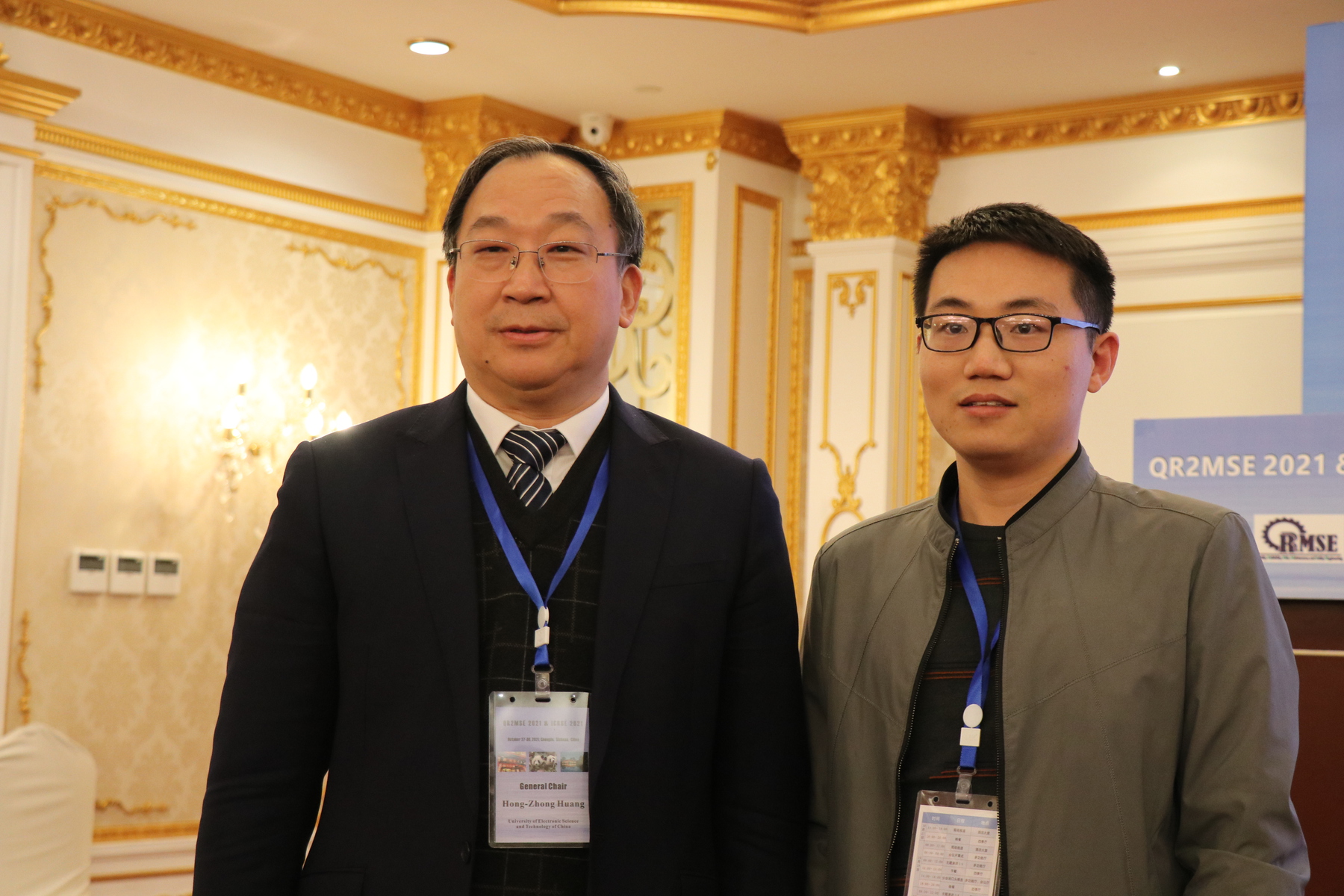
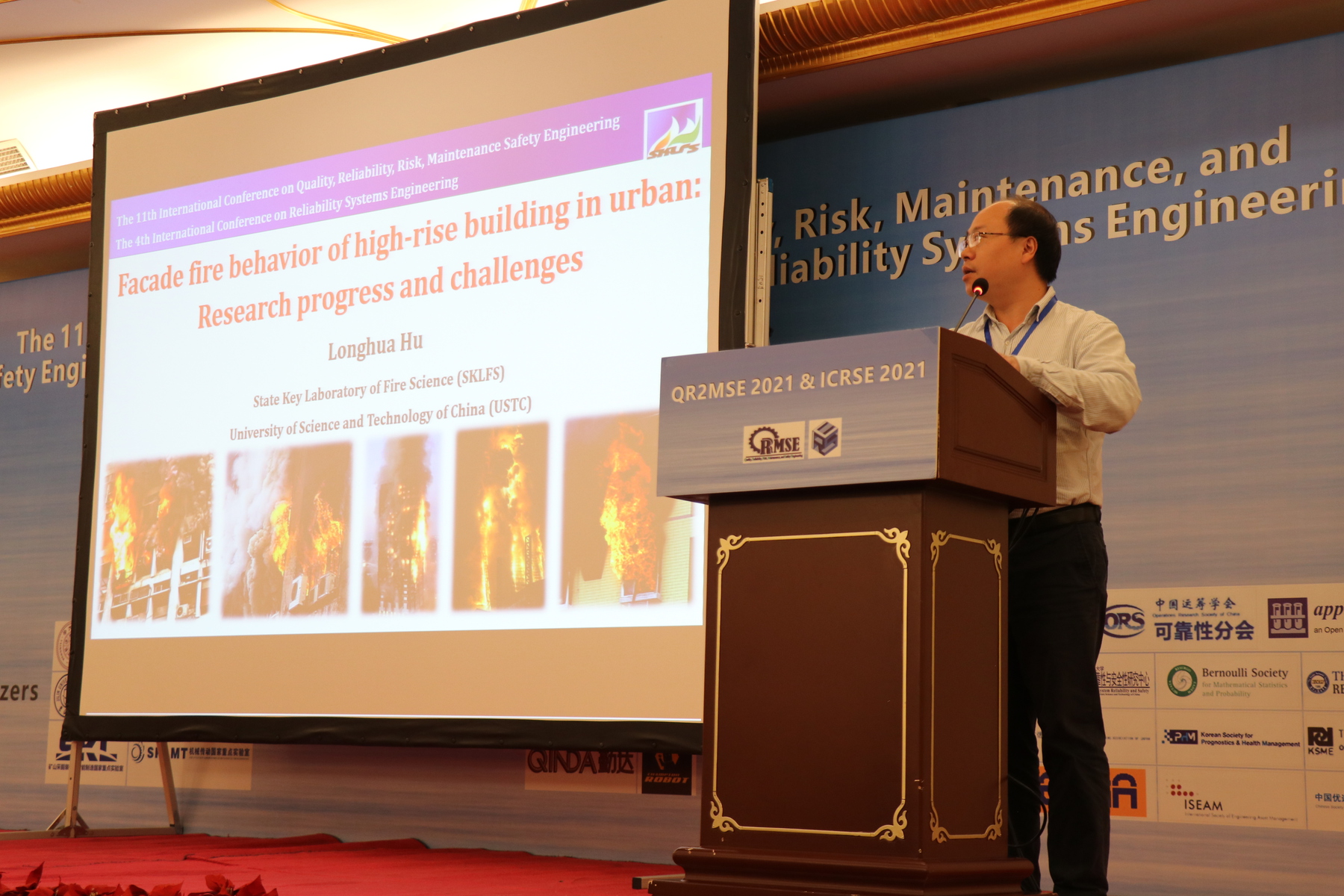
The afternoon of October 27, 2021 (registration)
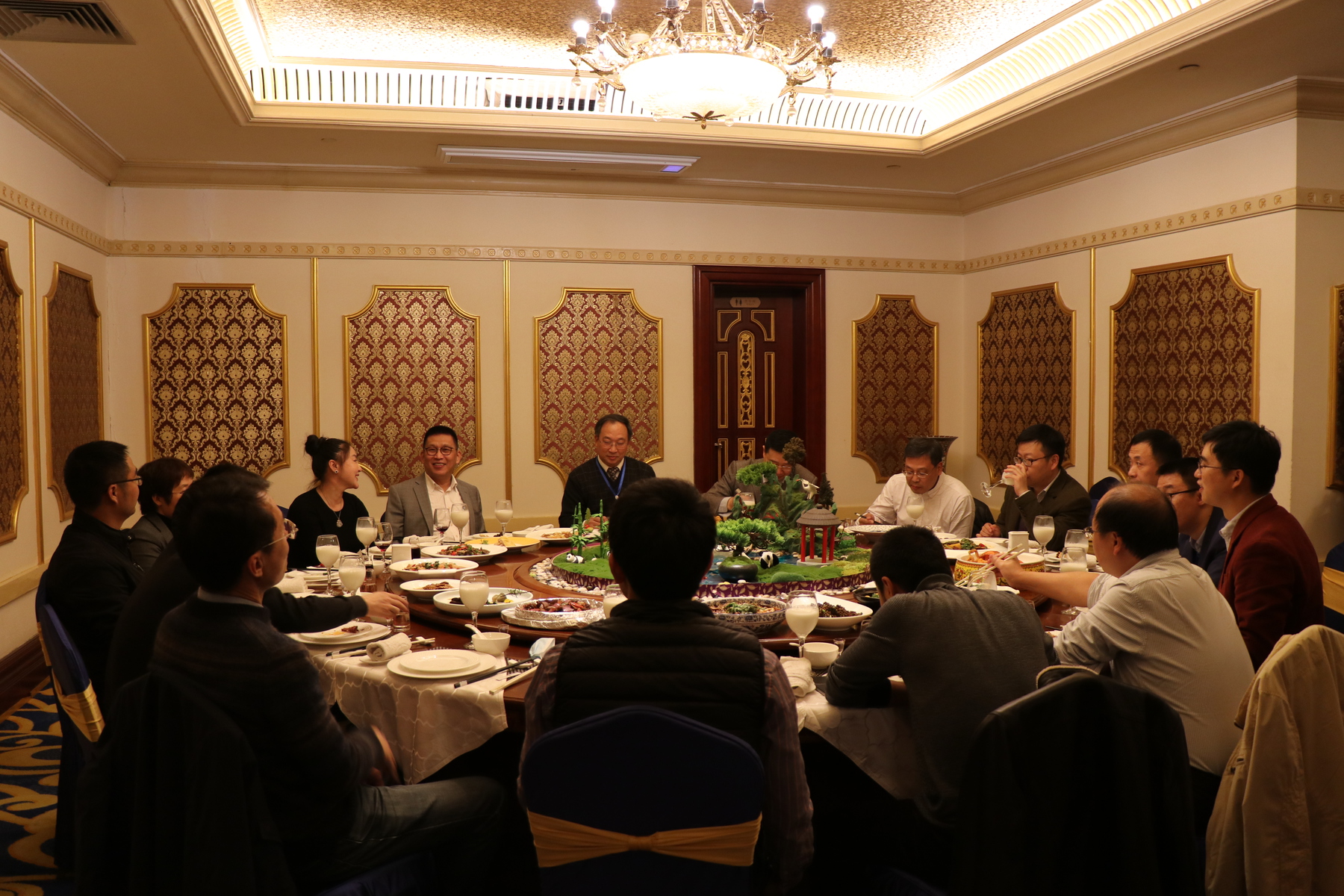
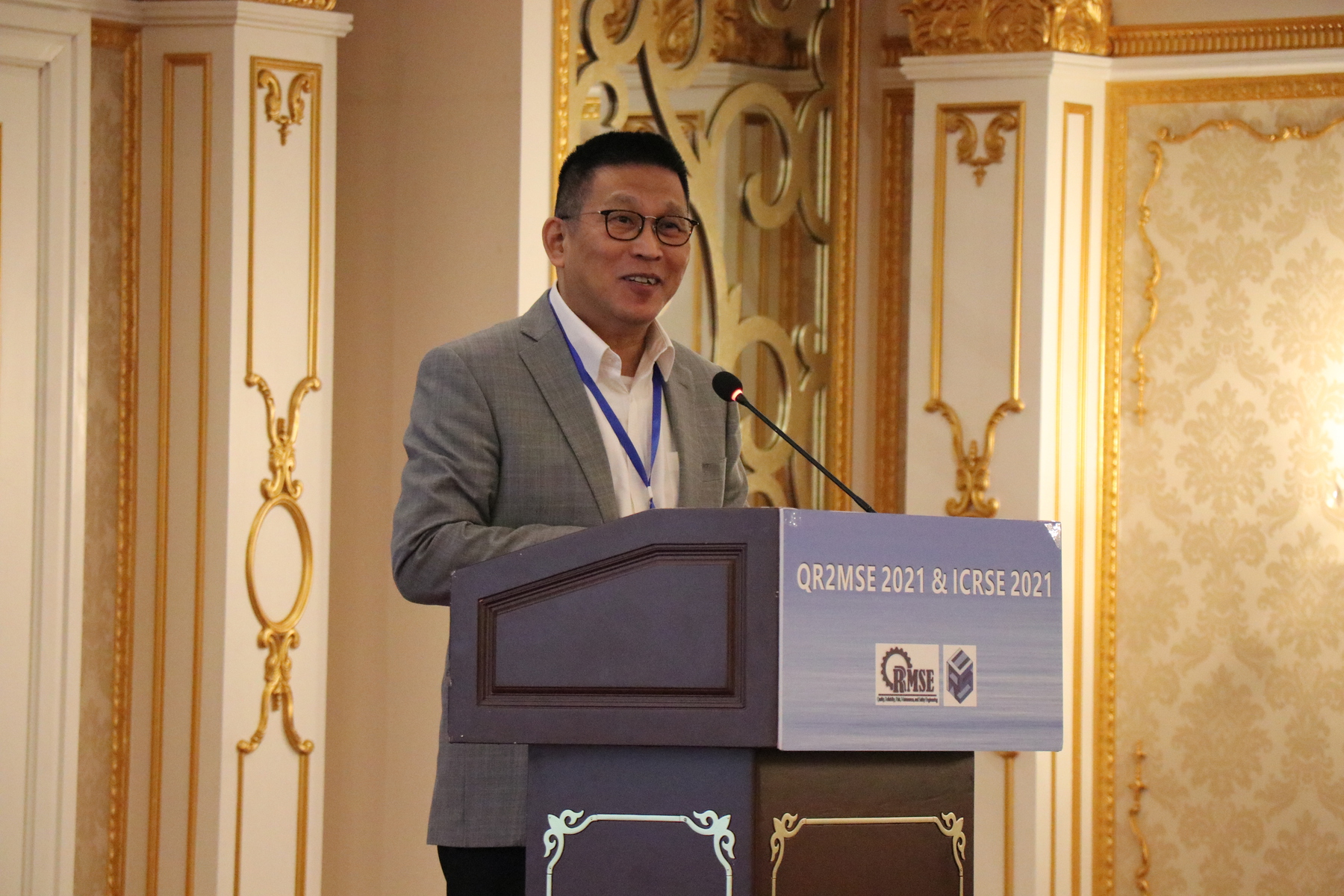
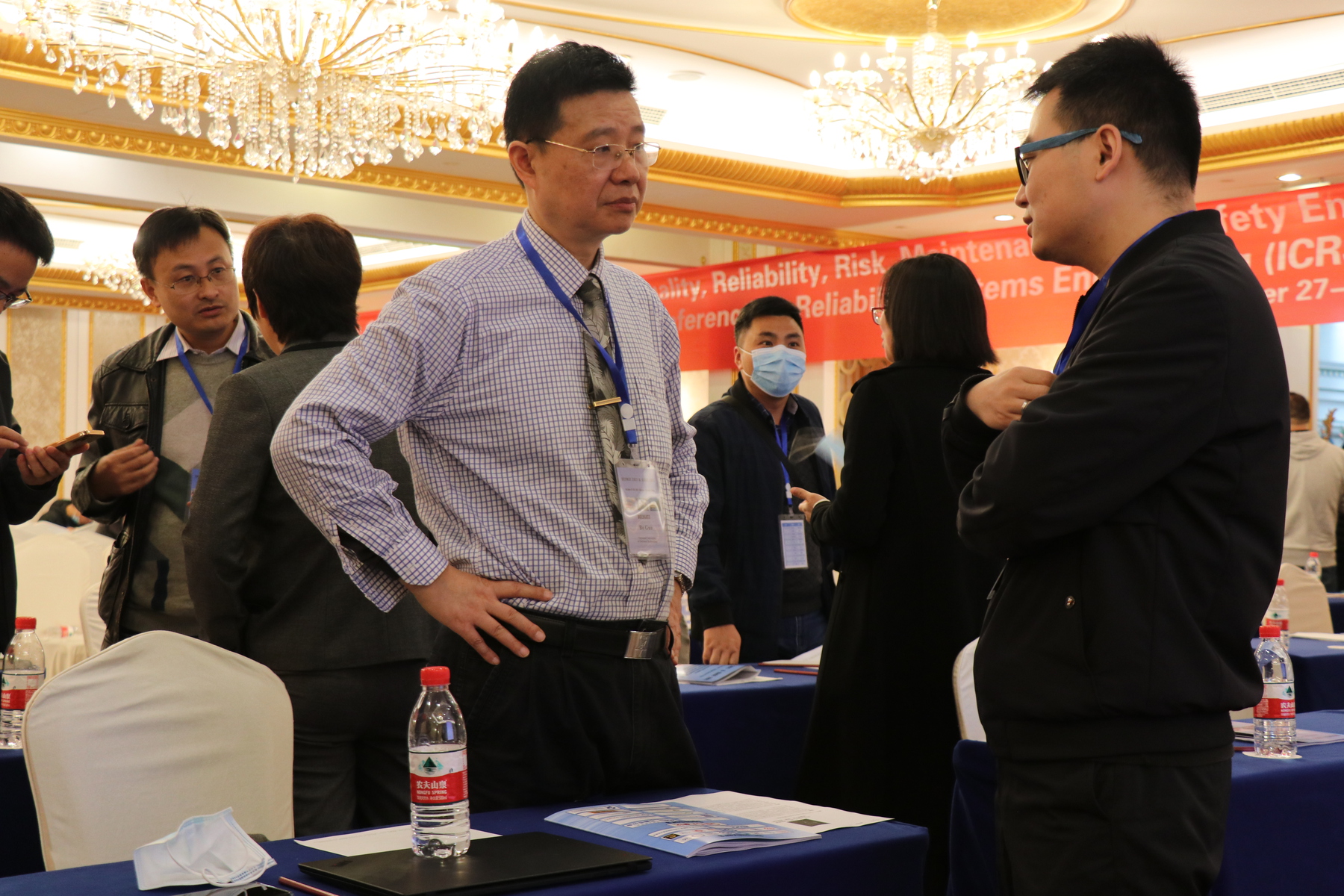
The afternoon of October 28, 2021 (Oral Session A & B)
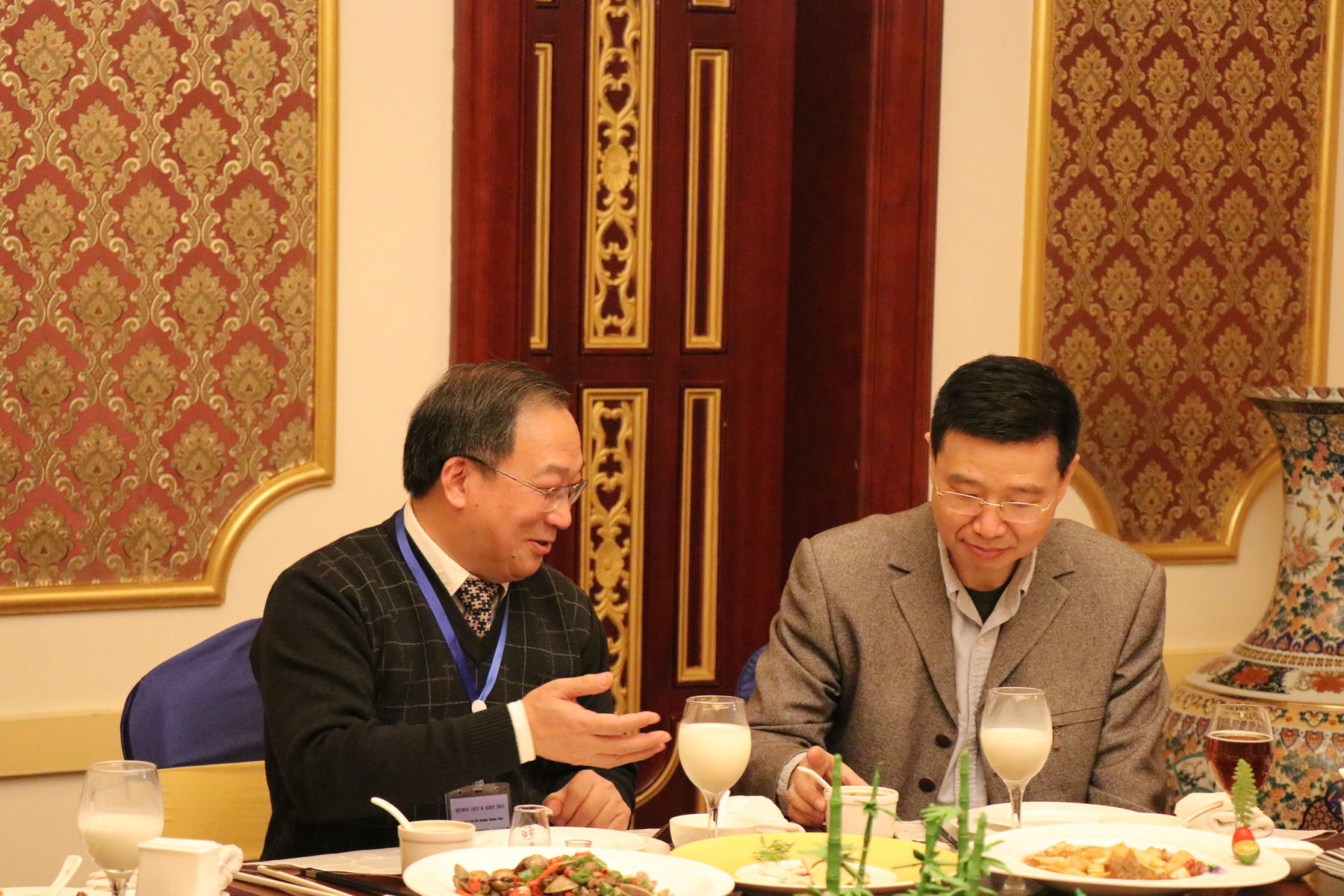
The morning of October 29, 2021 (Keynote Speech 5 to 8)
The 11th International Conference on Quality, Reliability, Risk, Maintenance, and Safety Engineering &The 4th International Conference on Reliability Systems Engineering
Location: Chengdu, Sichuan, China
Date: October 27-29, 2021
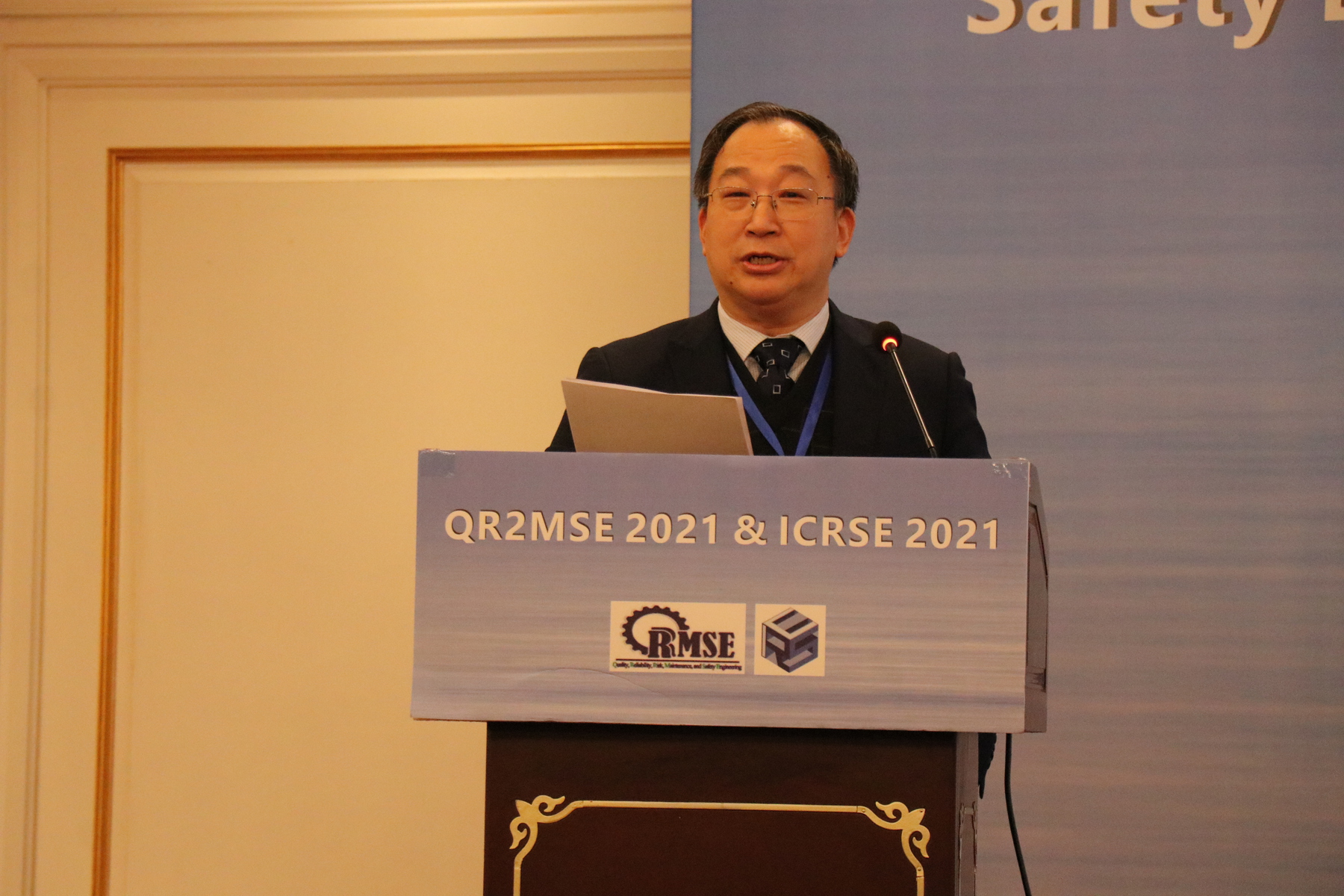
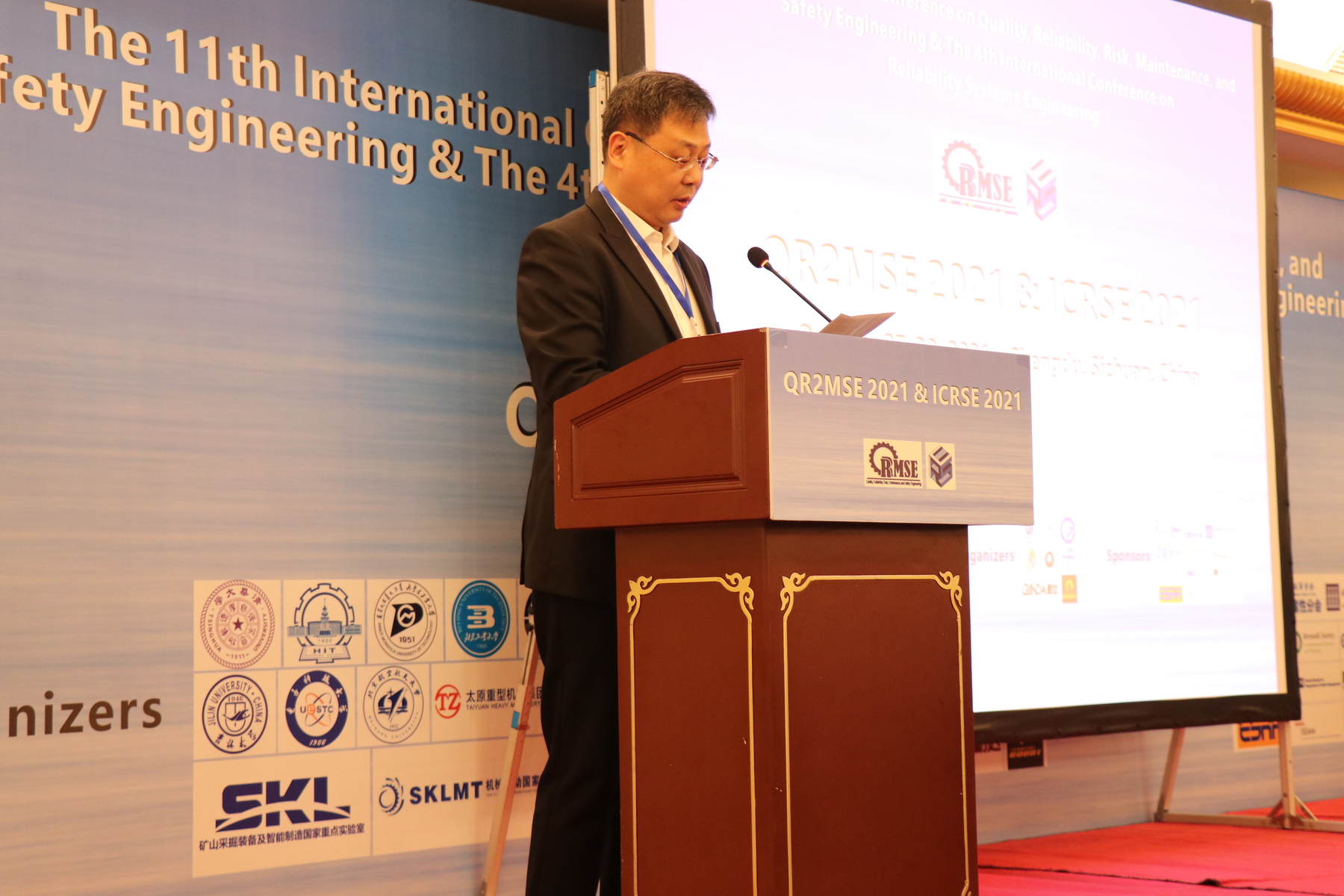
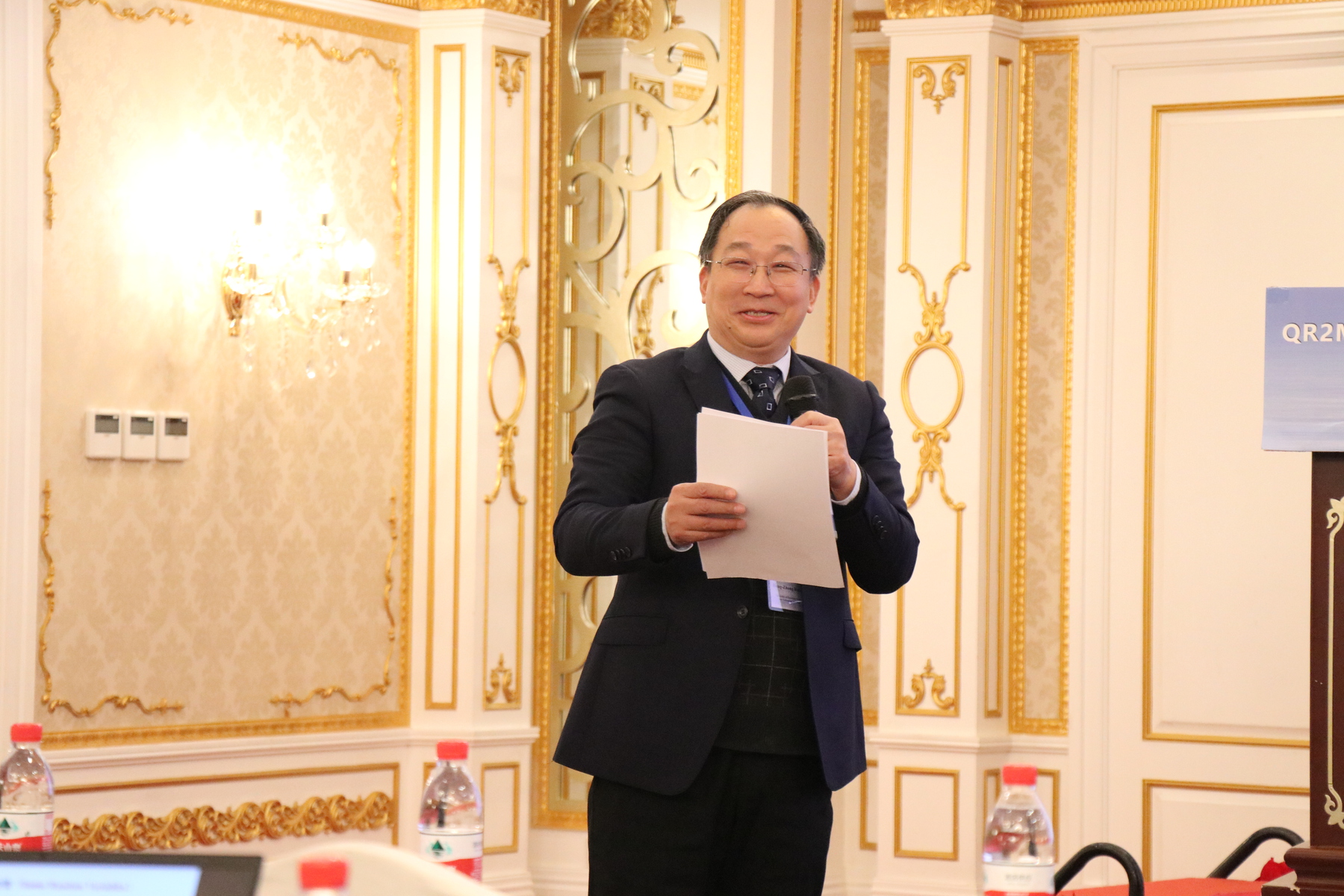
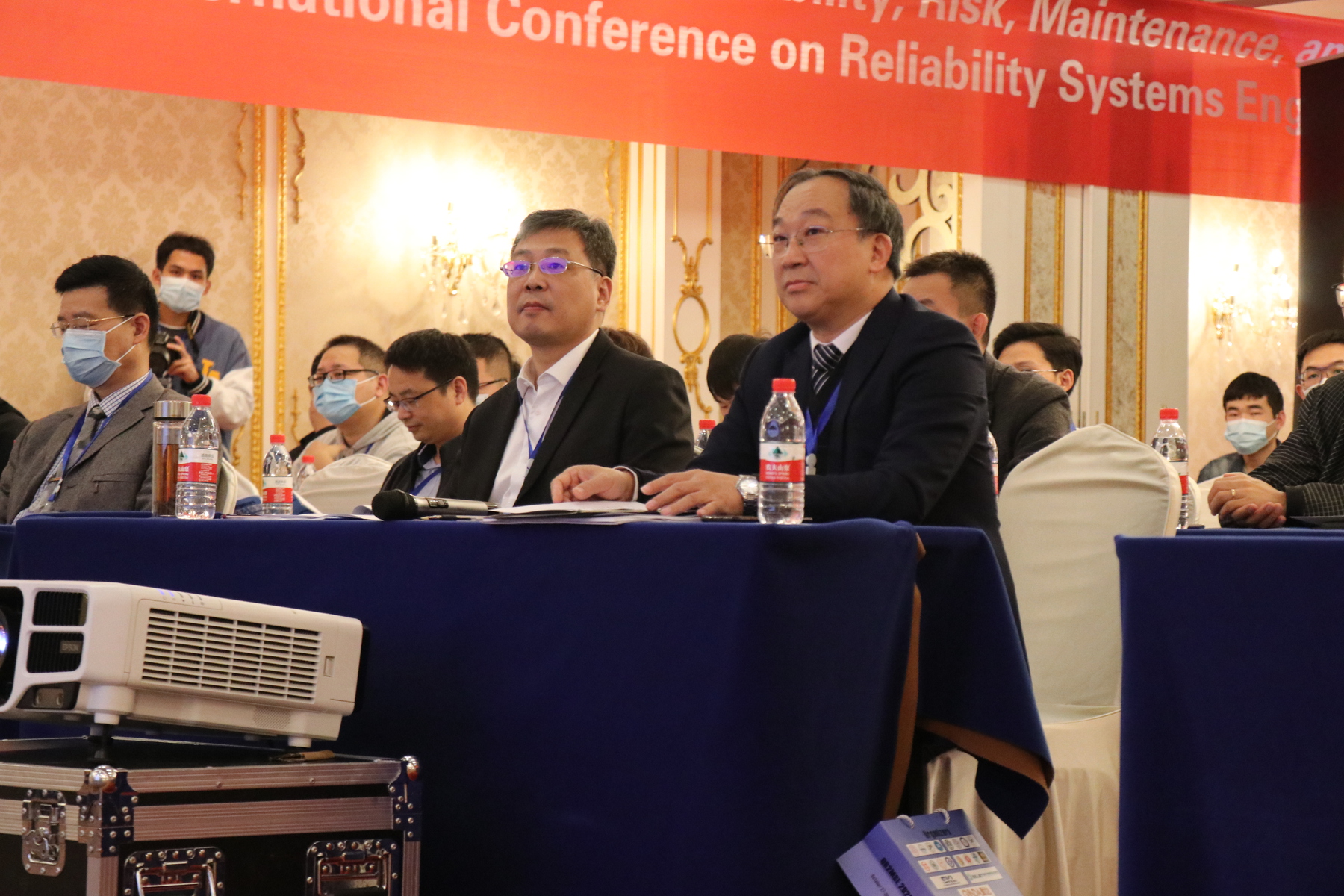
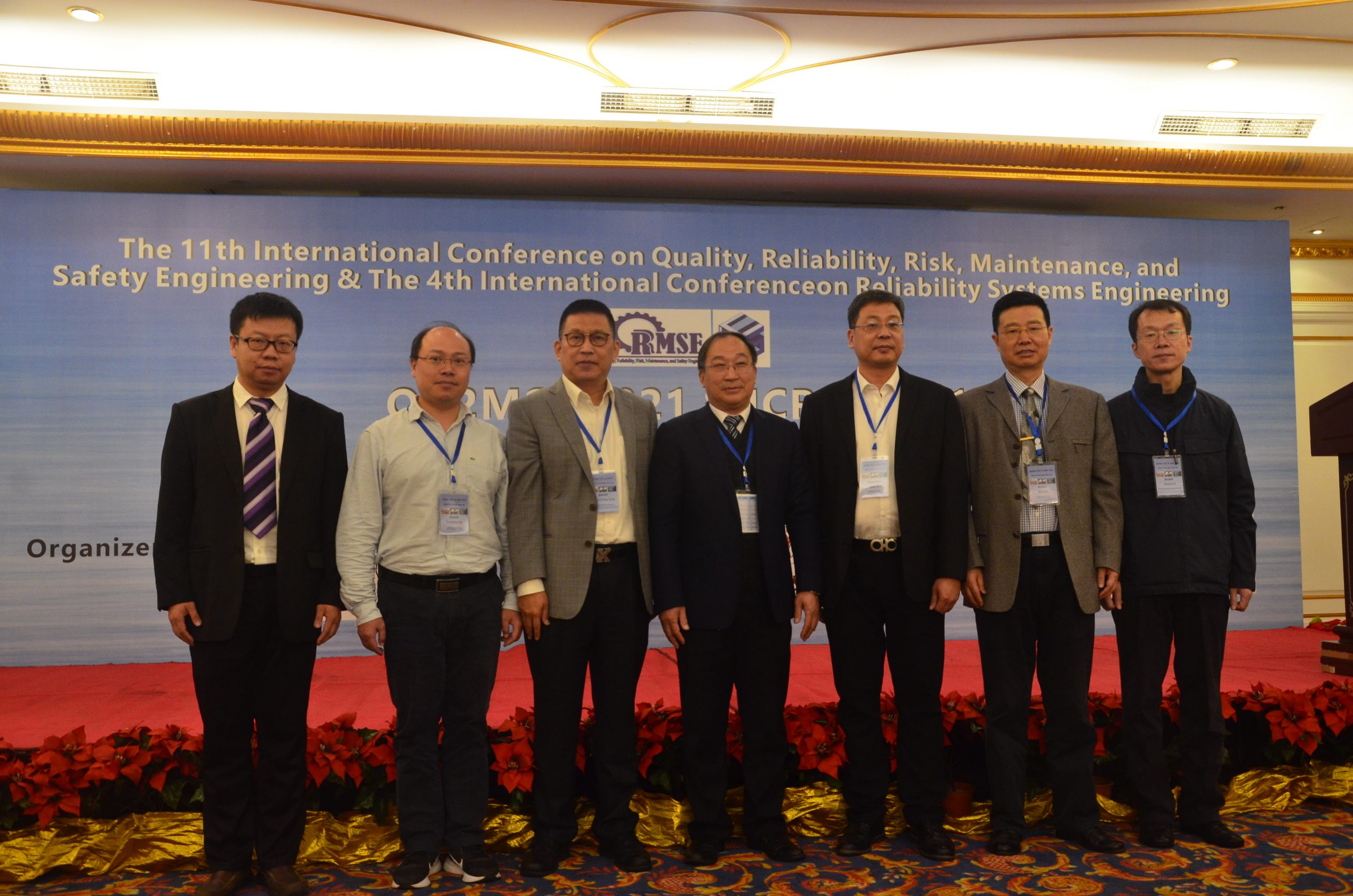
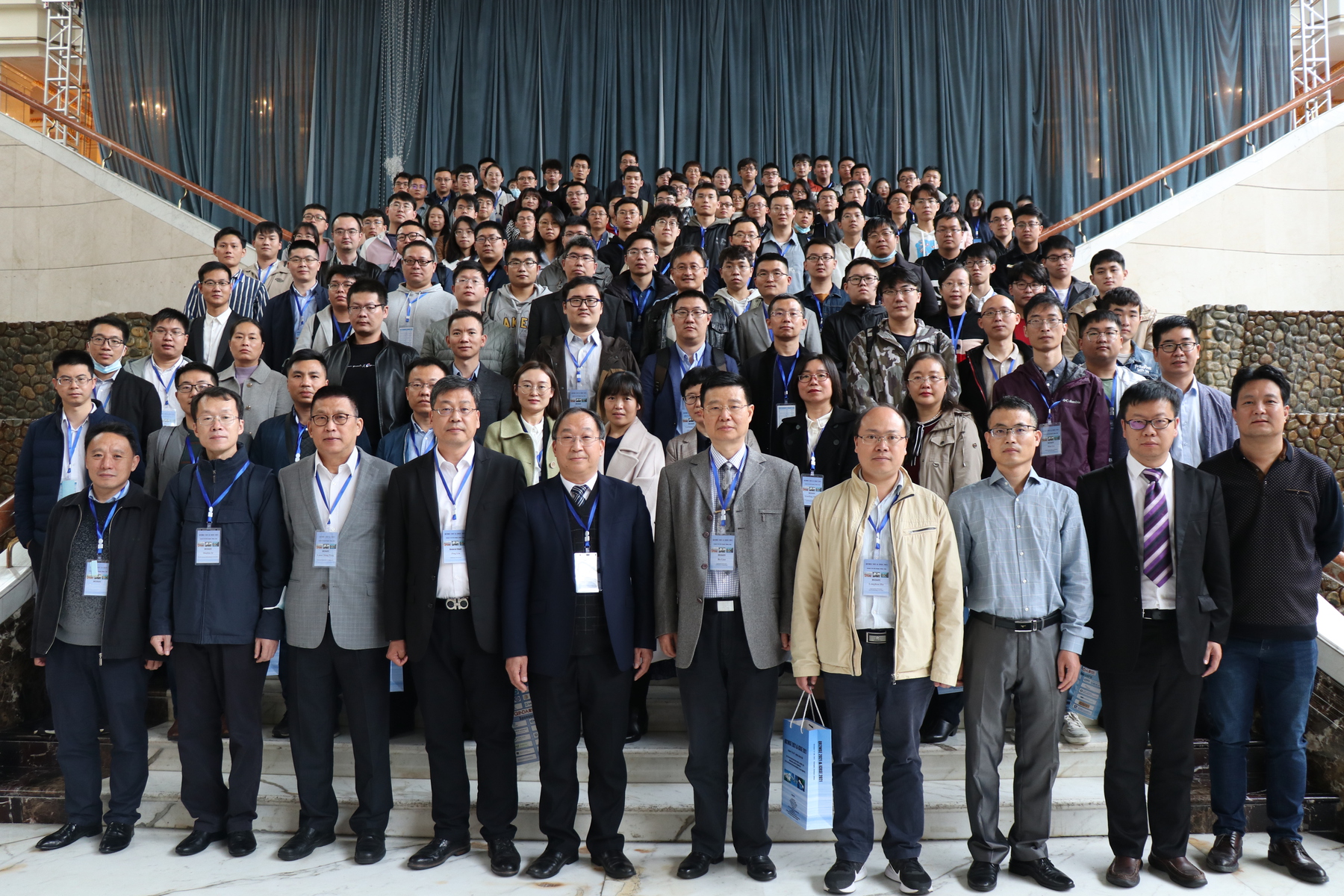
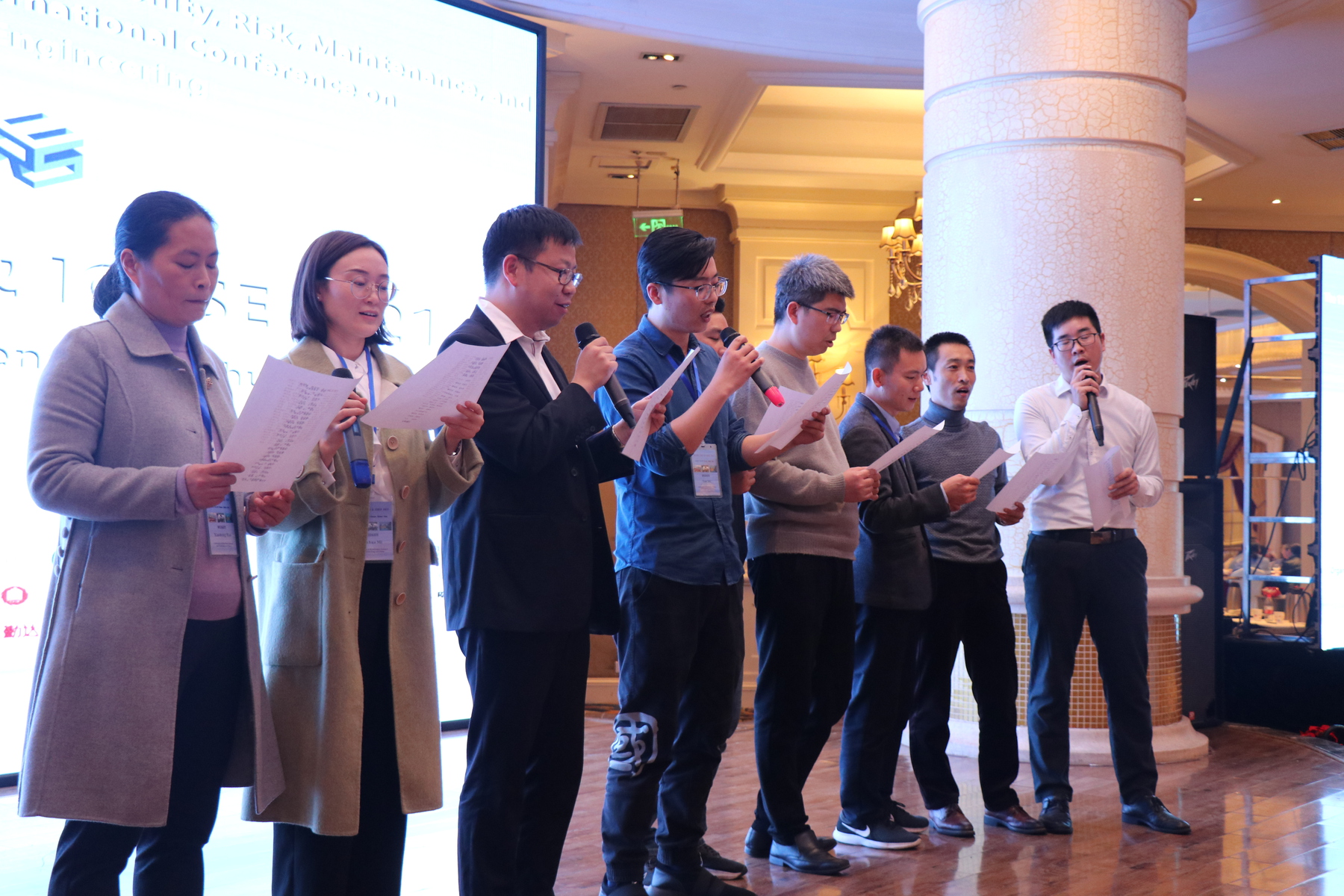
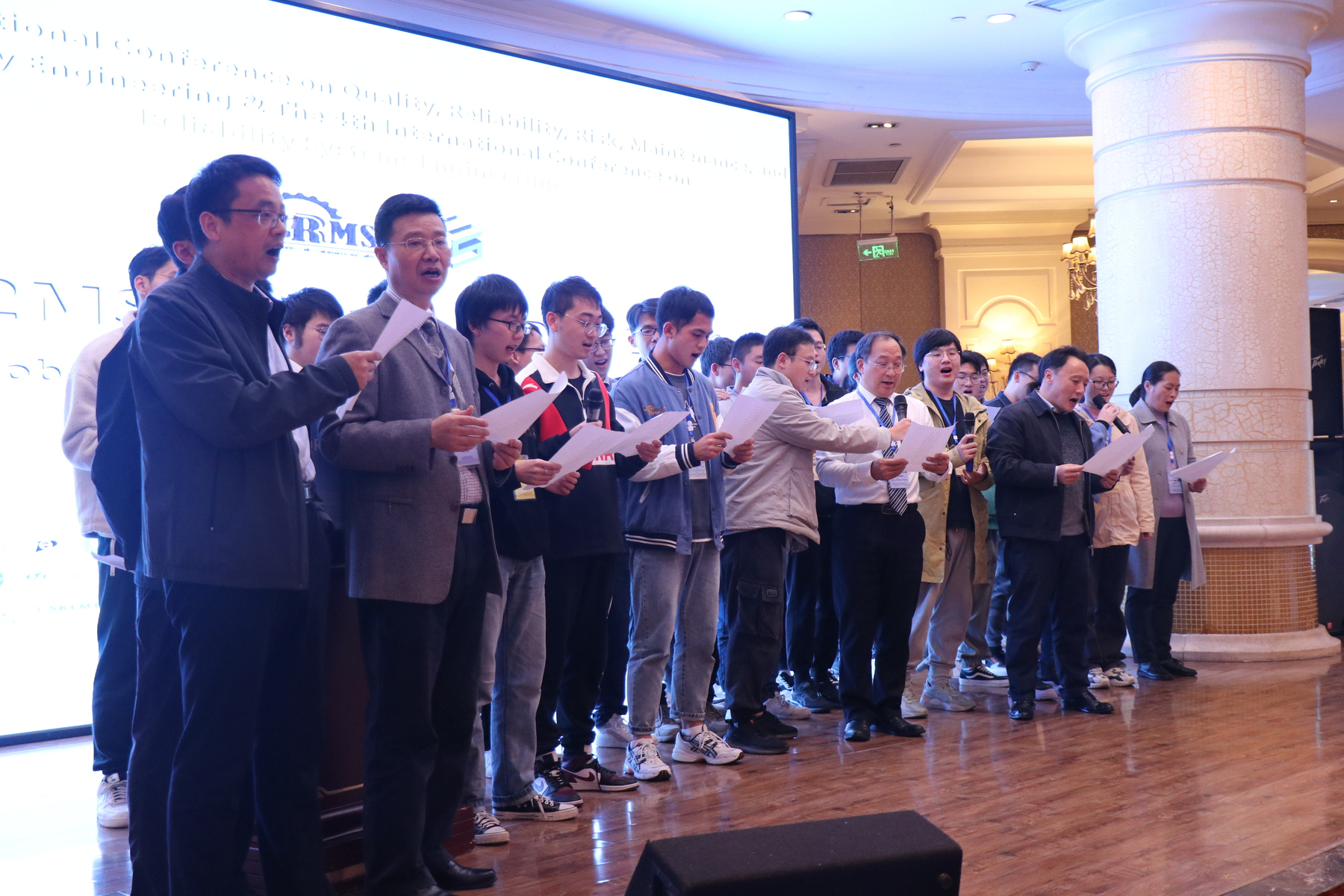
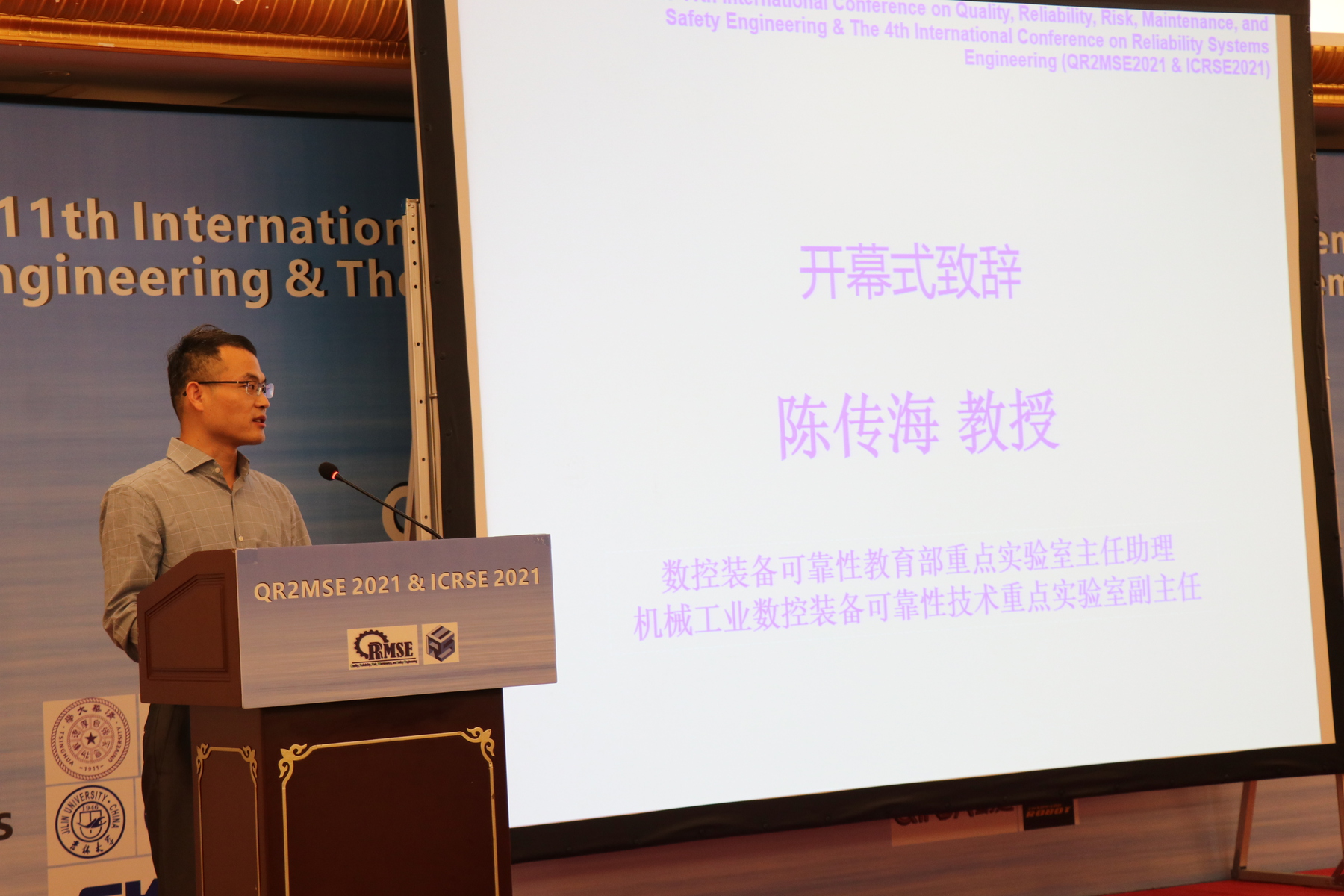
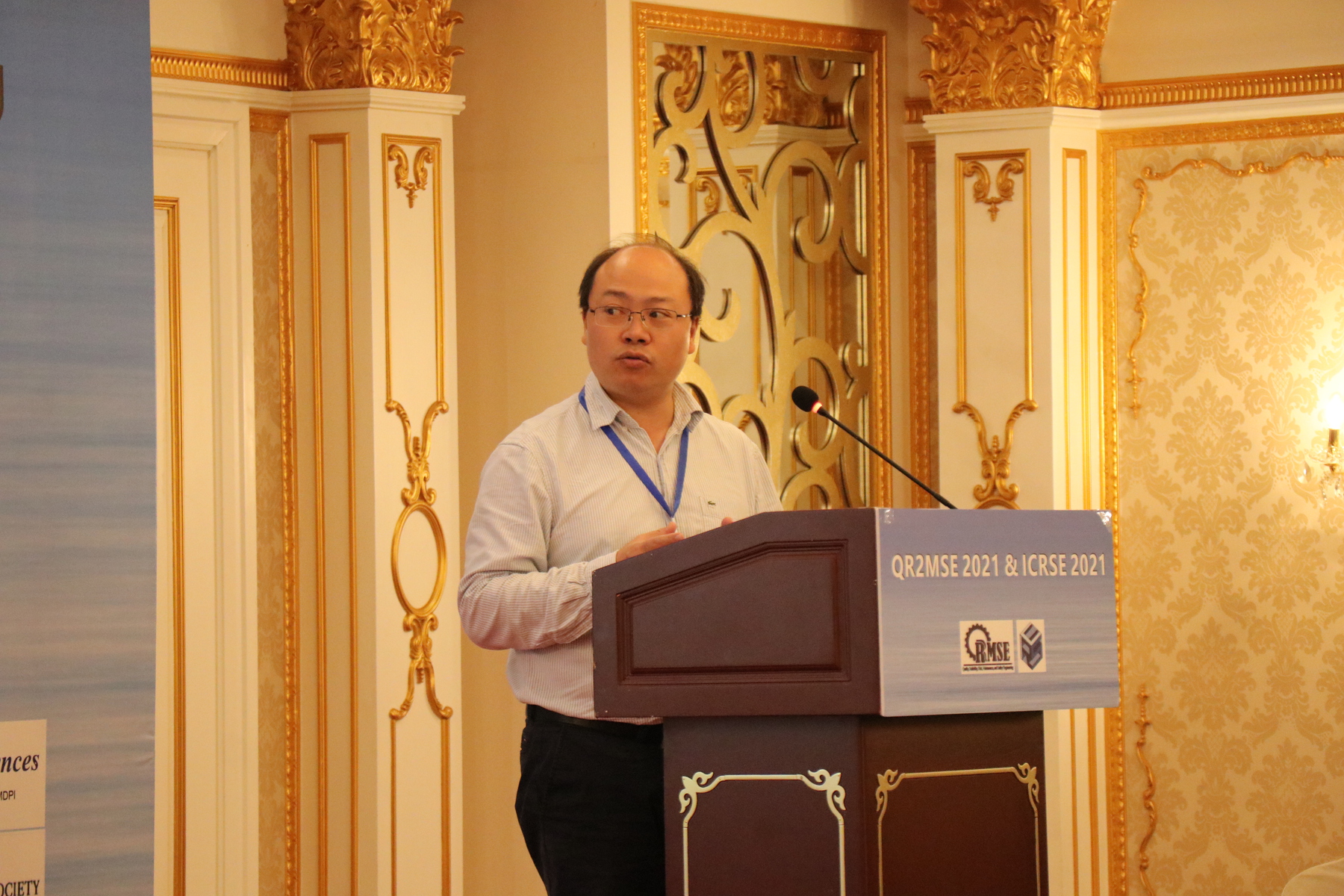
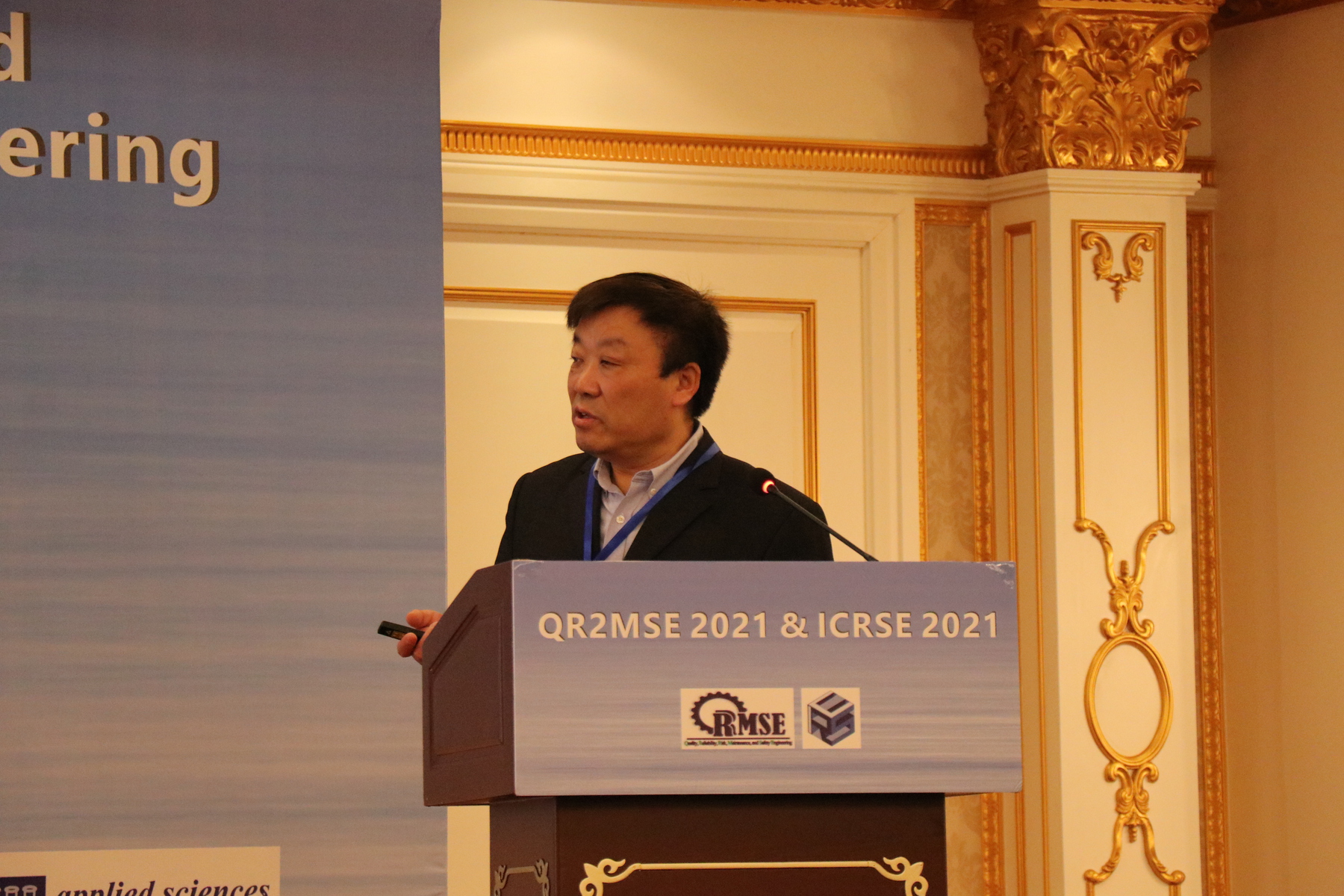
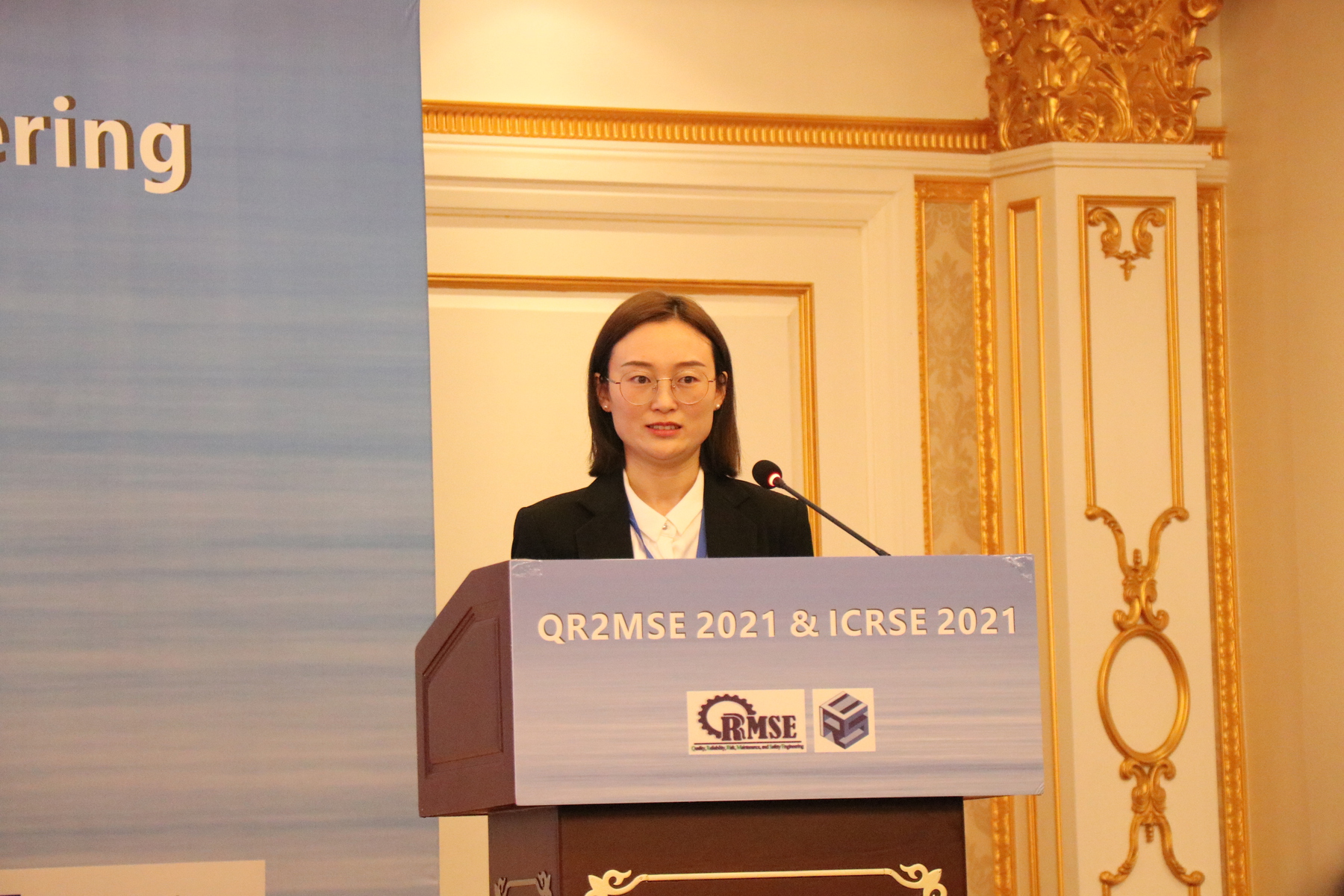
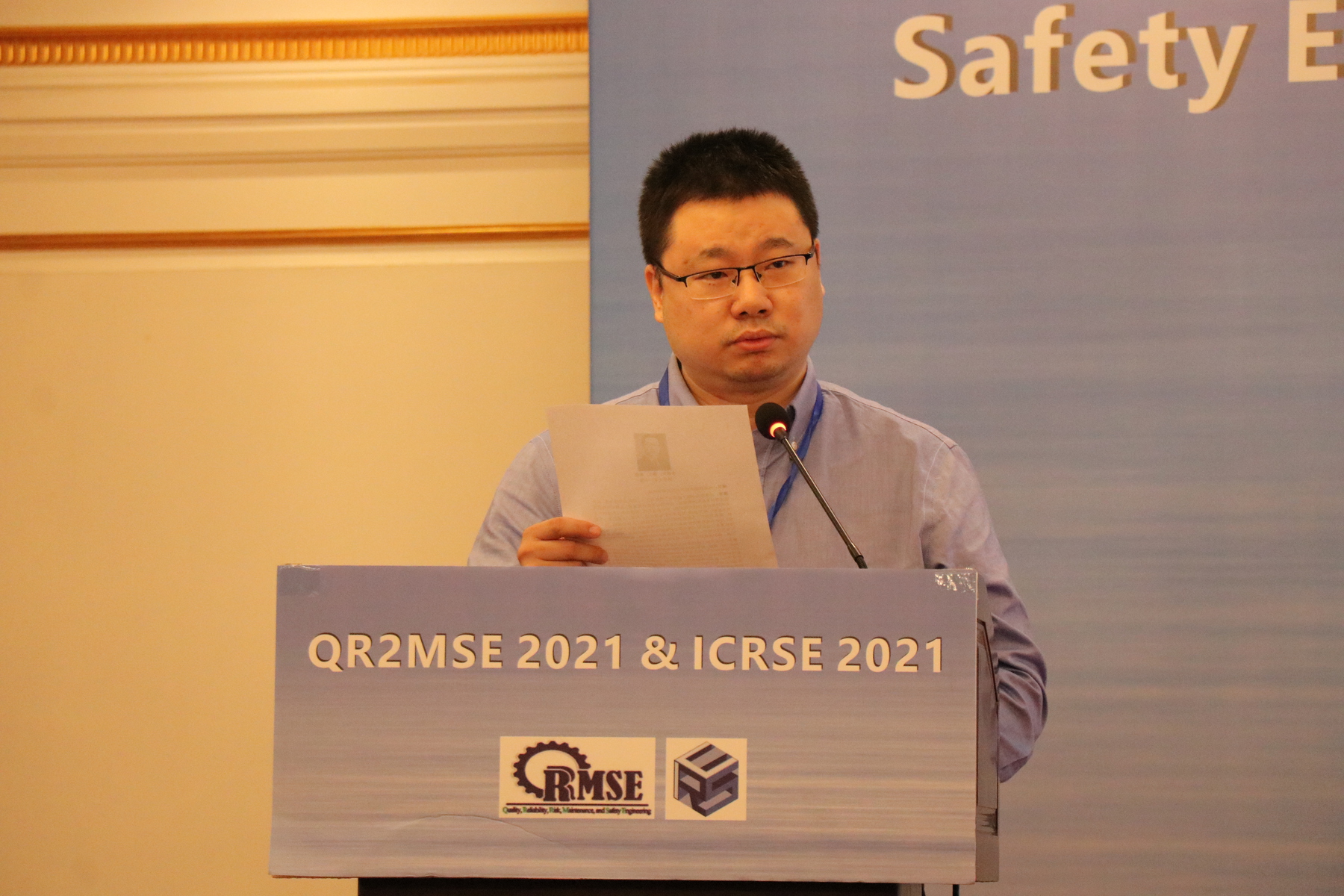
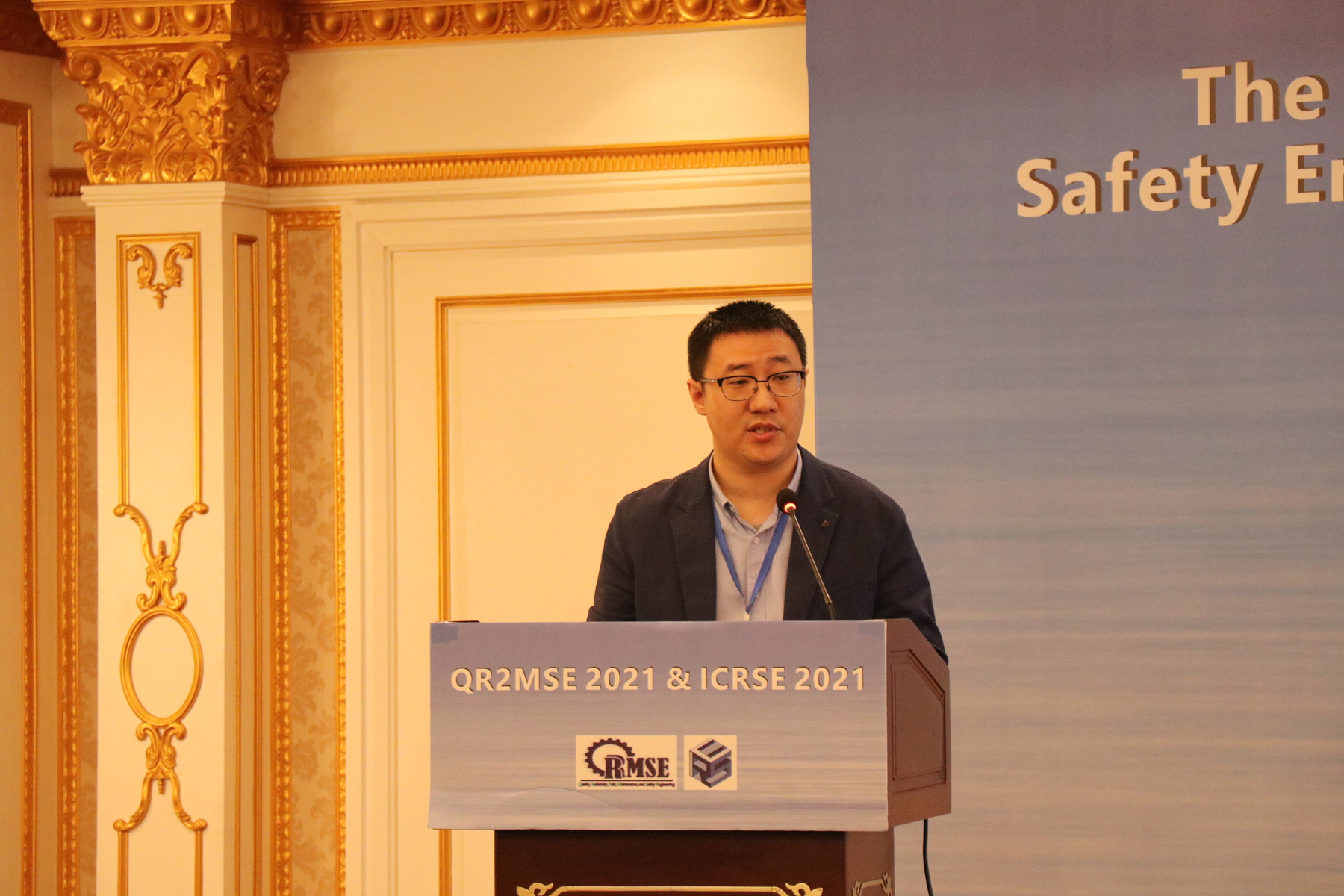
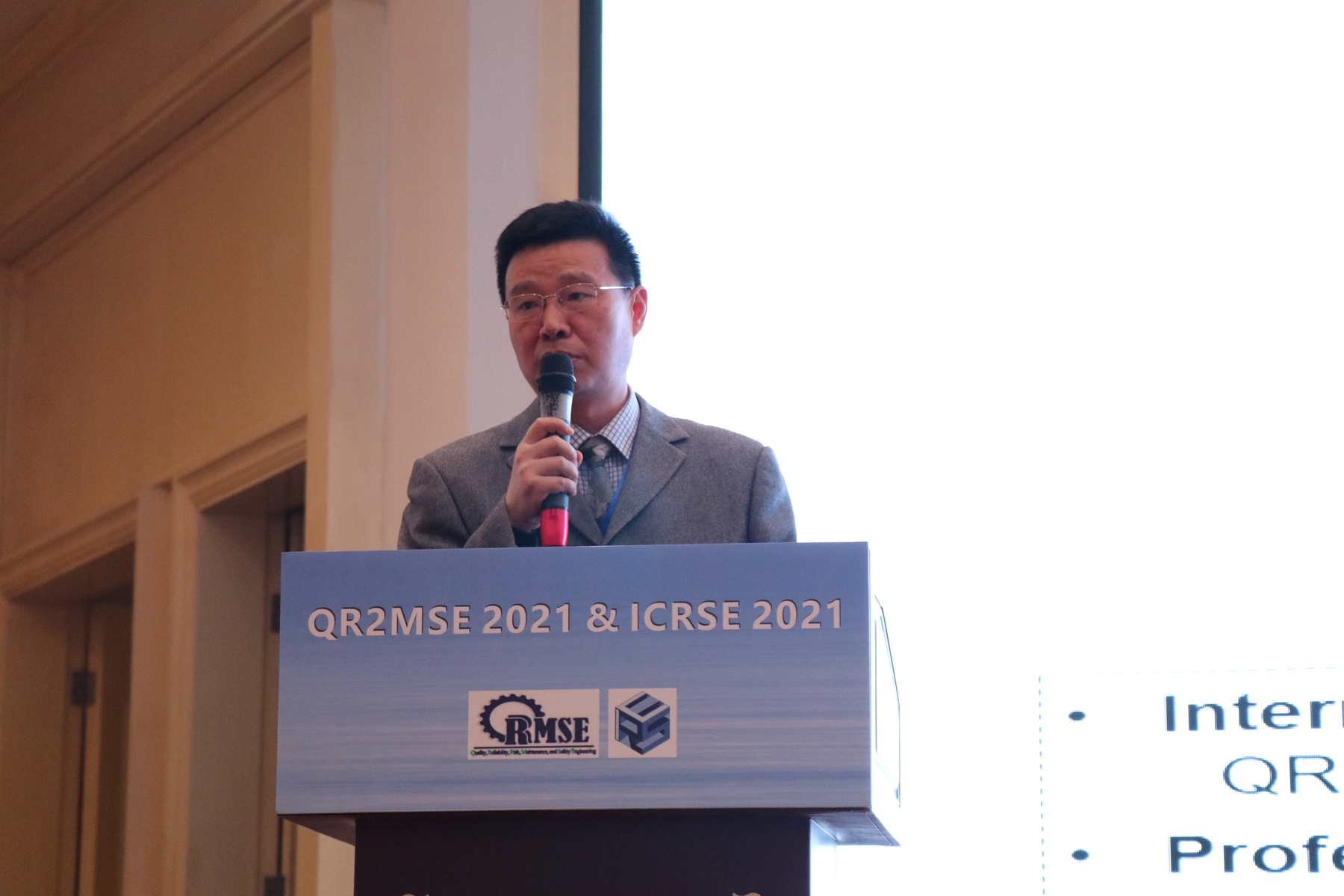
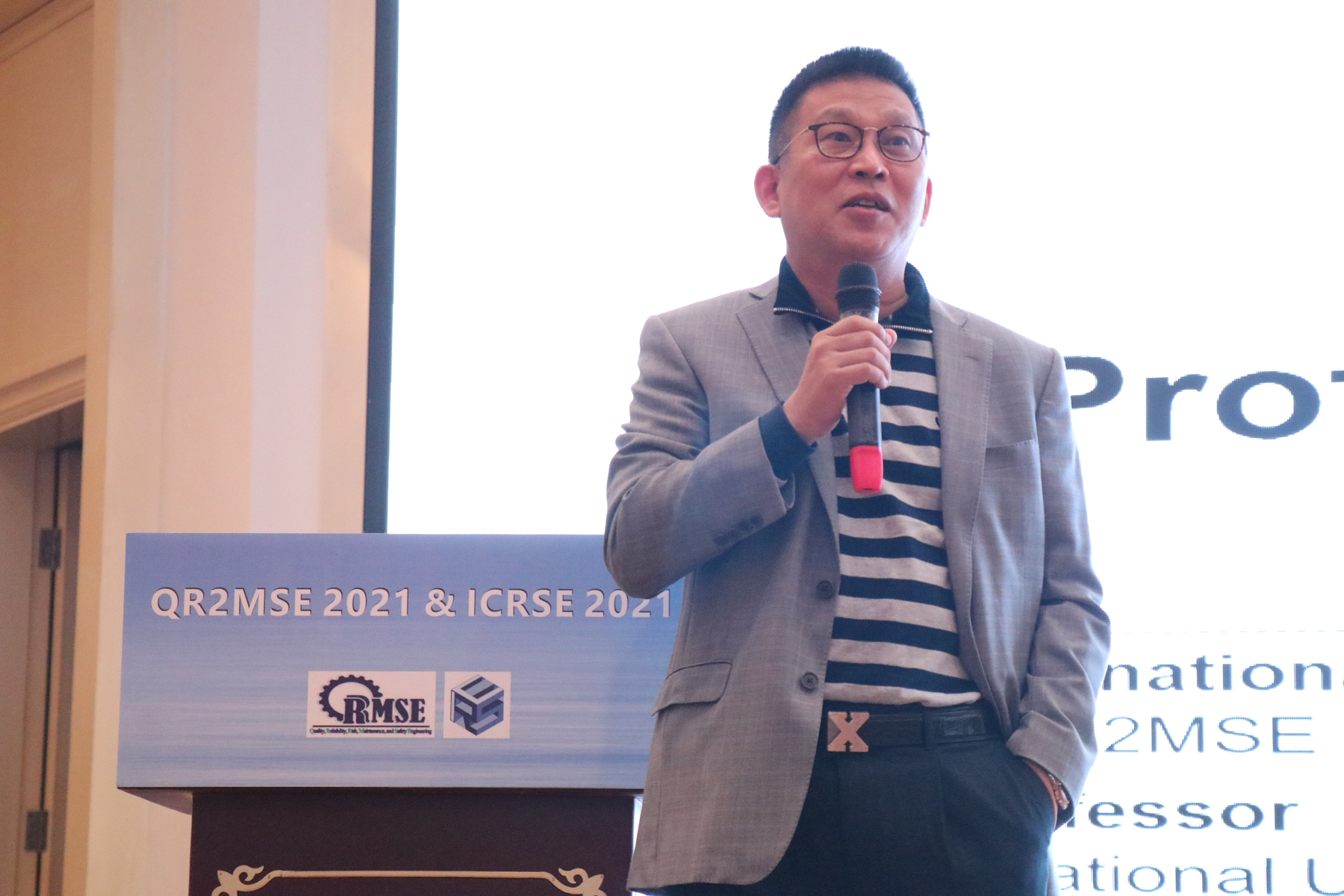
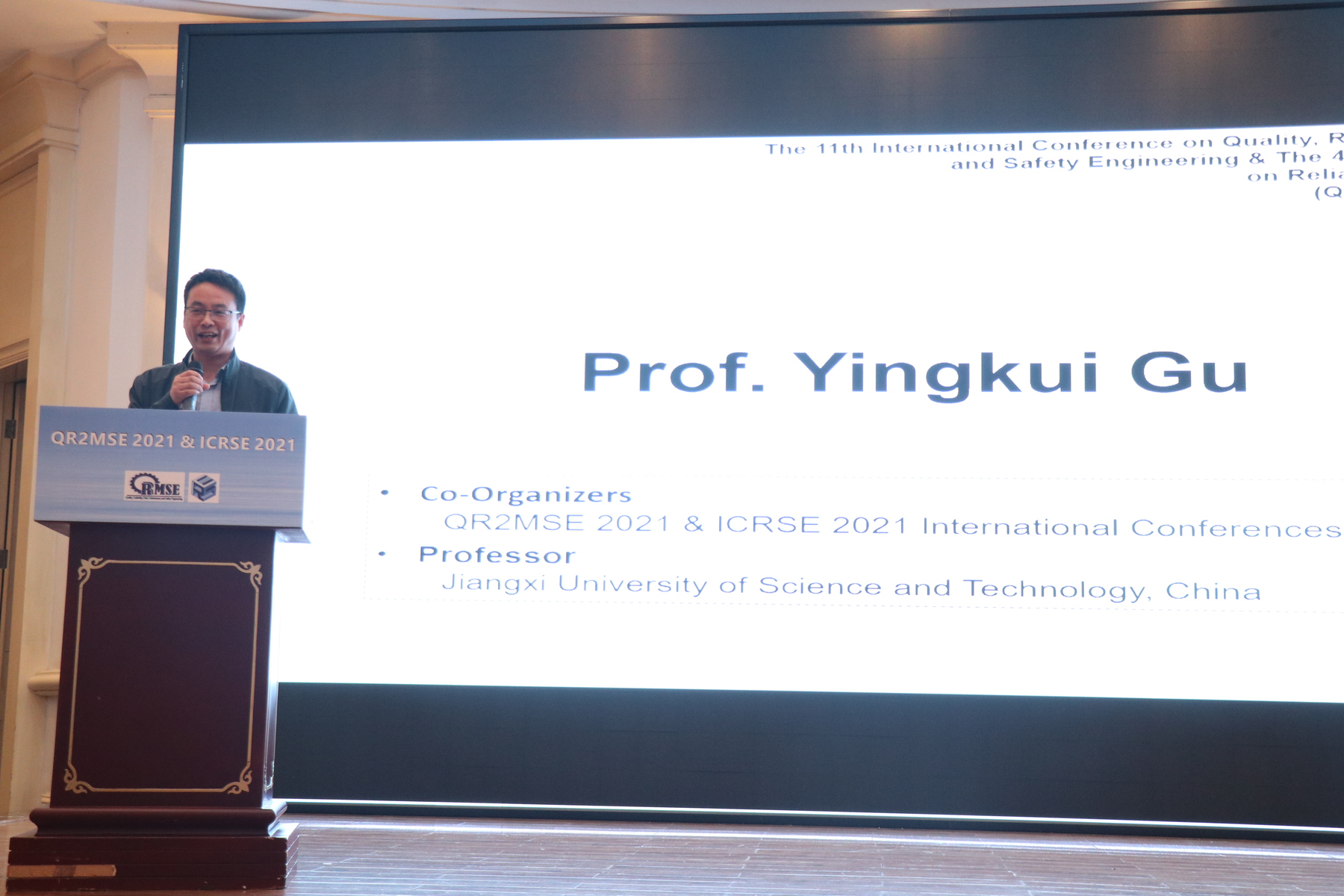
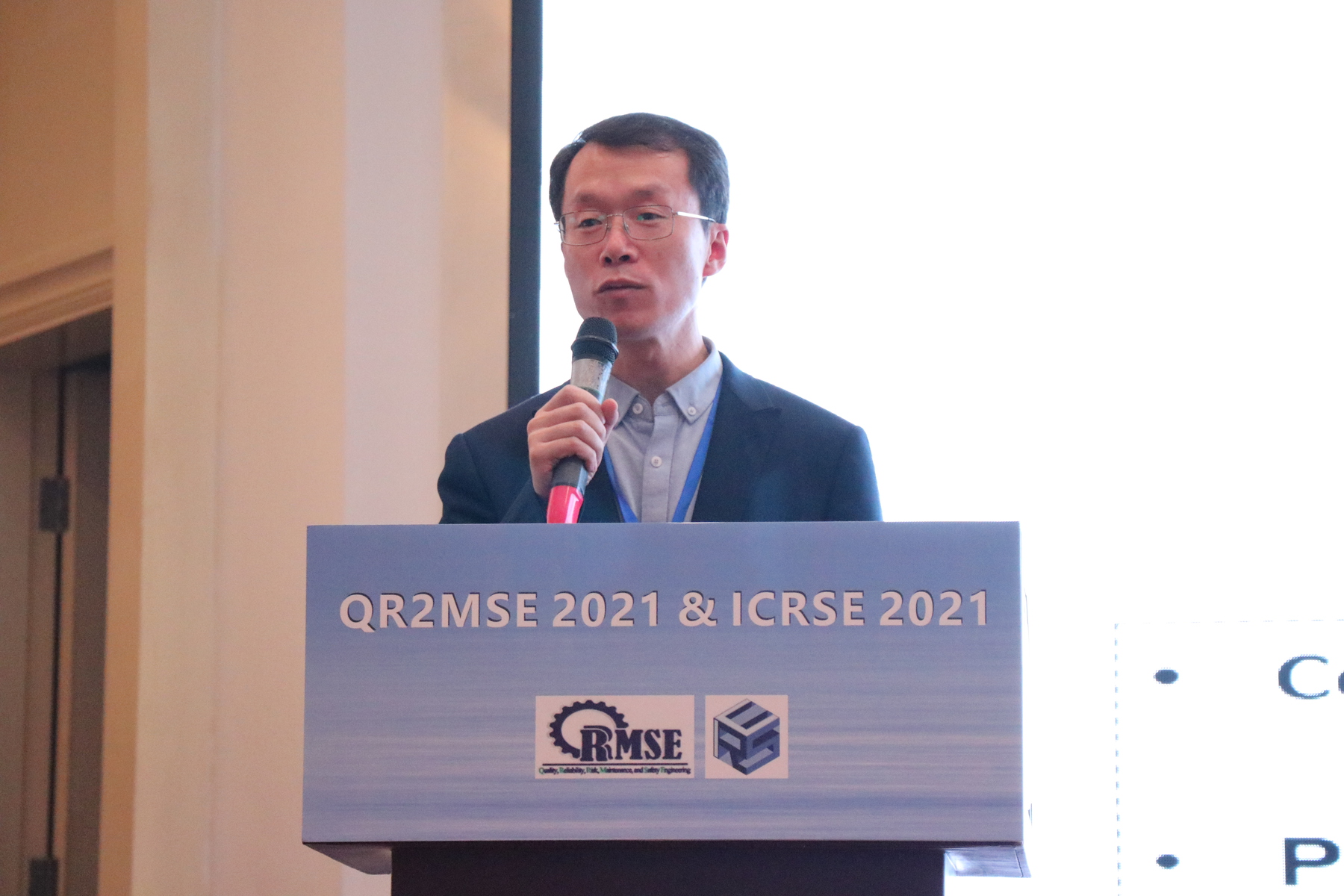
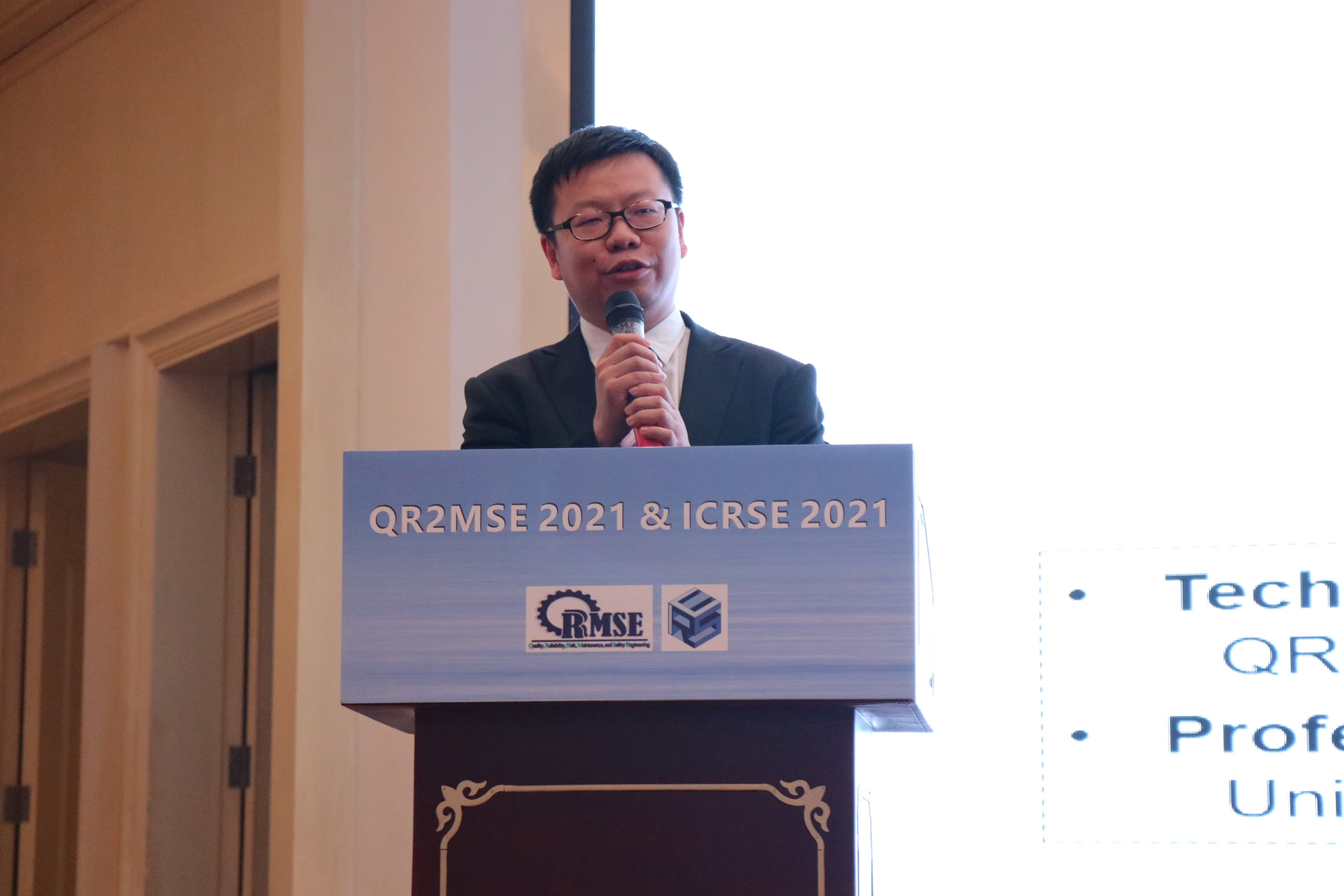
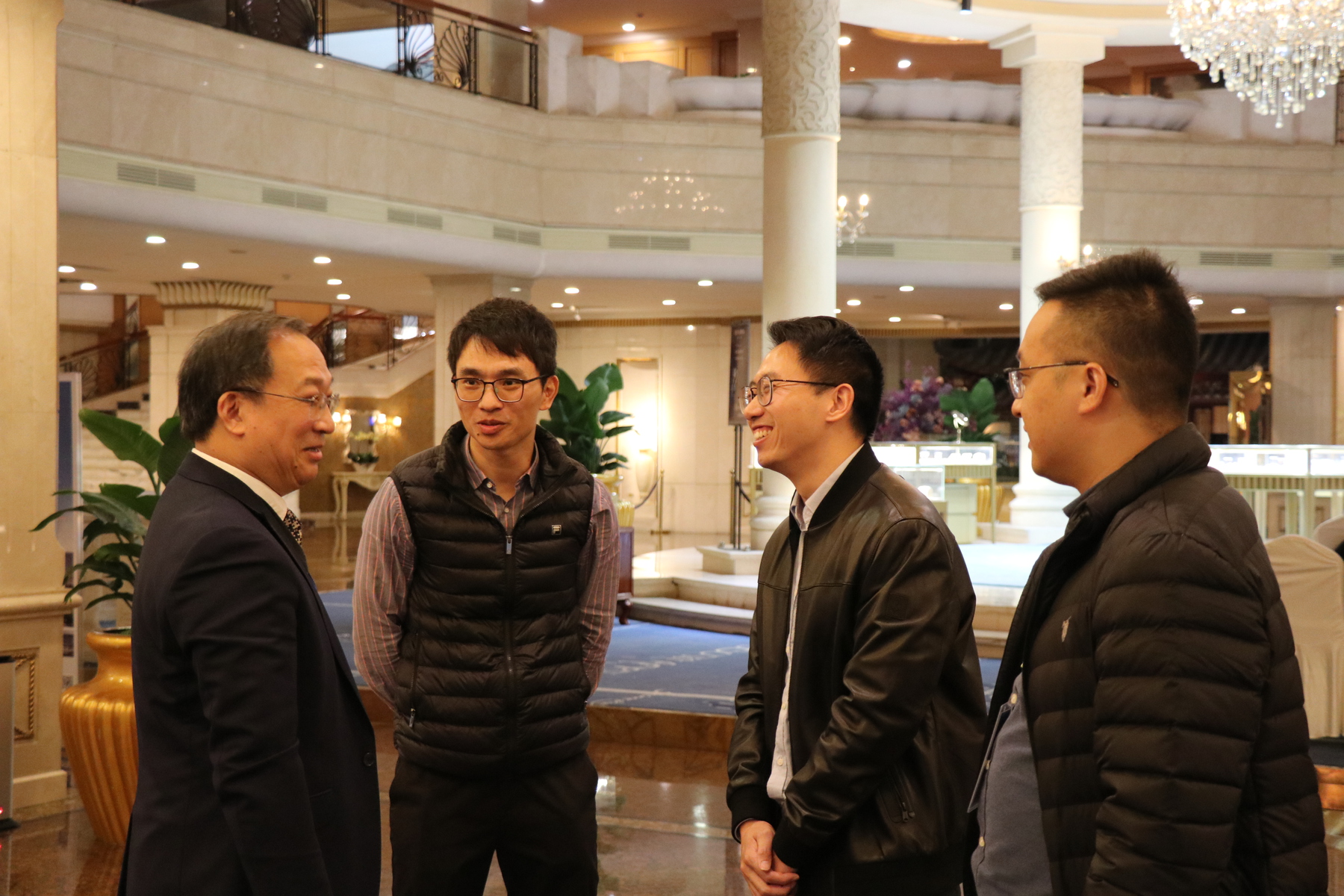
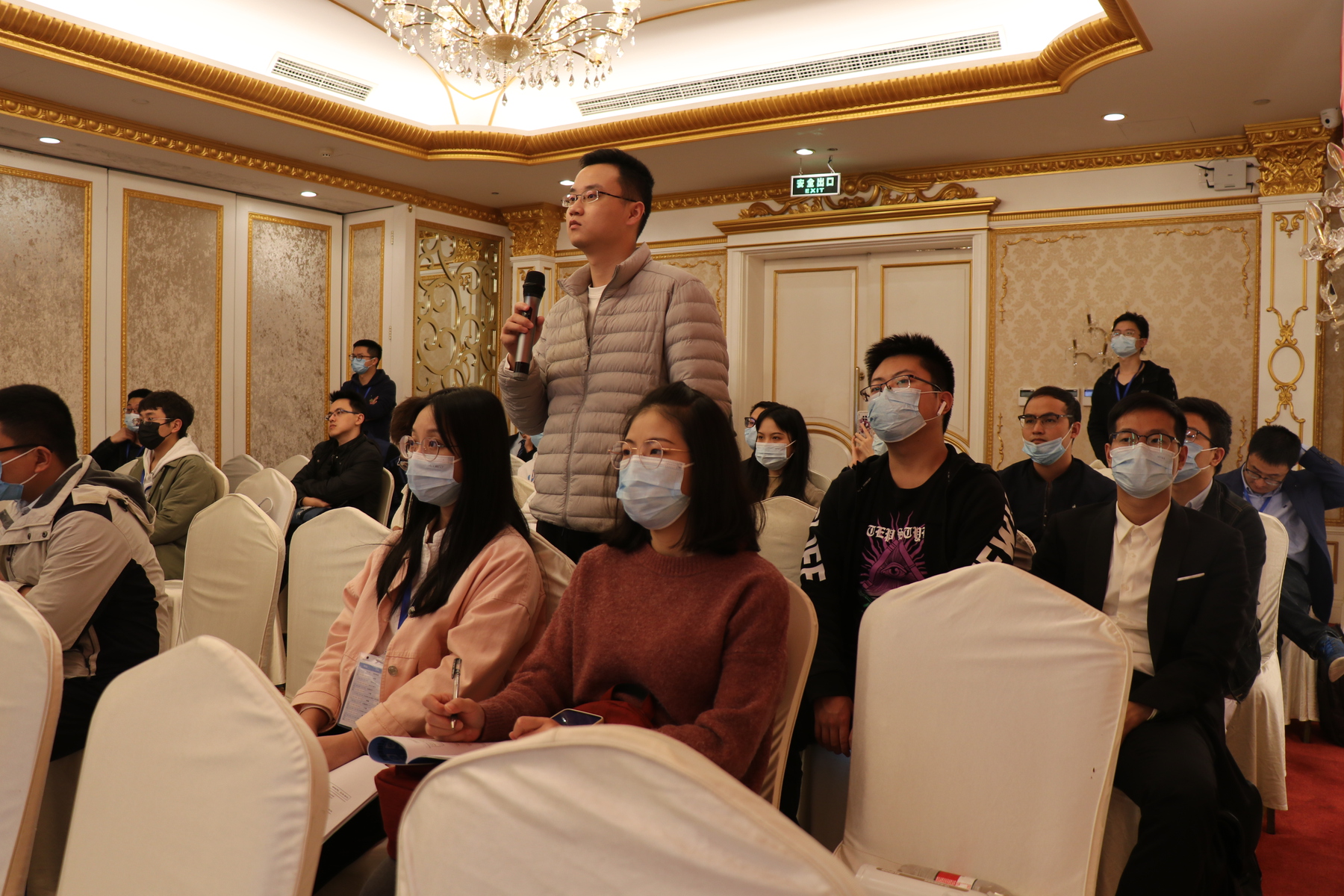
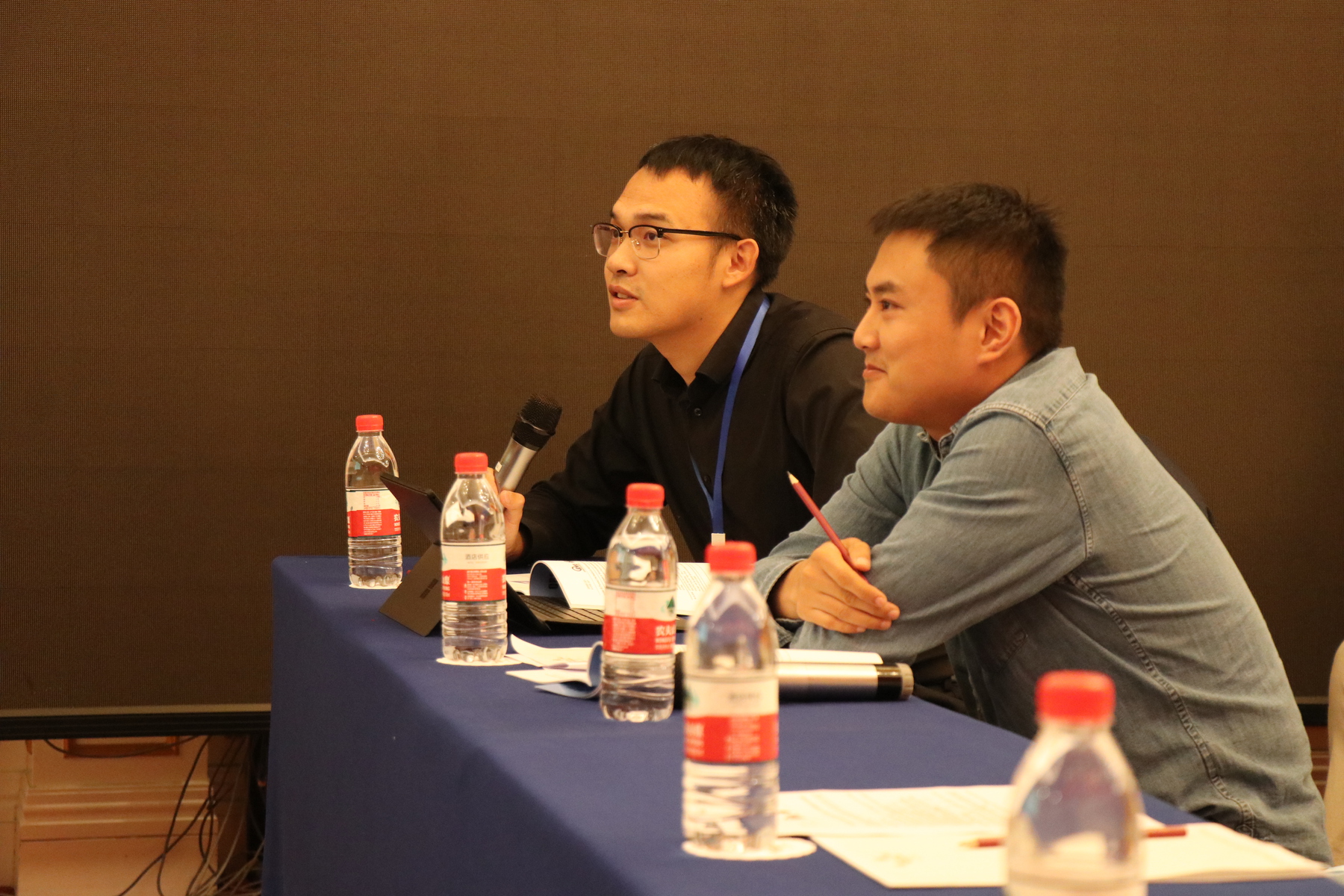
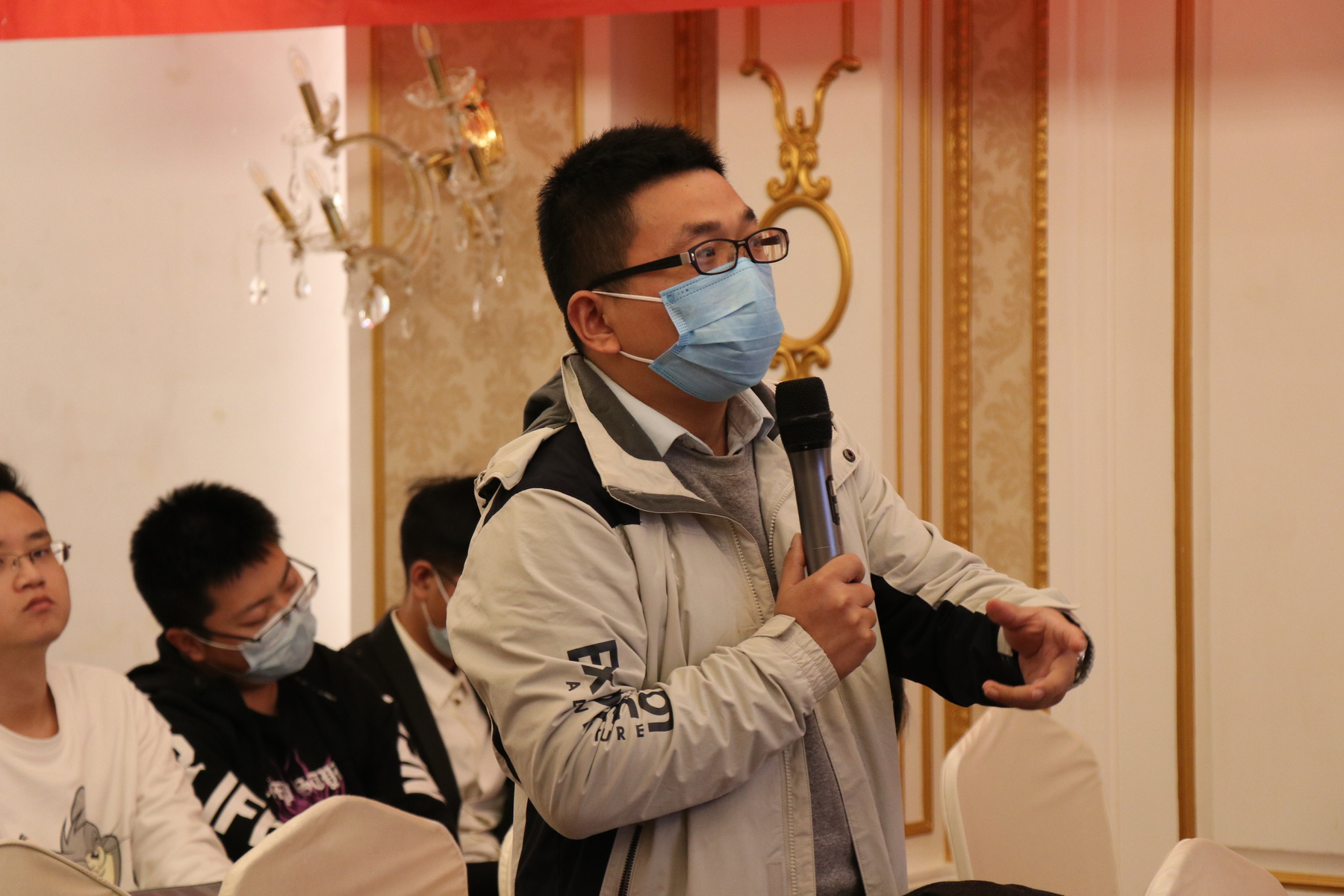
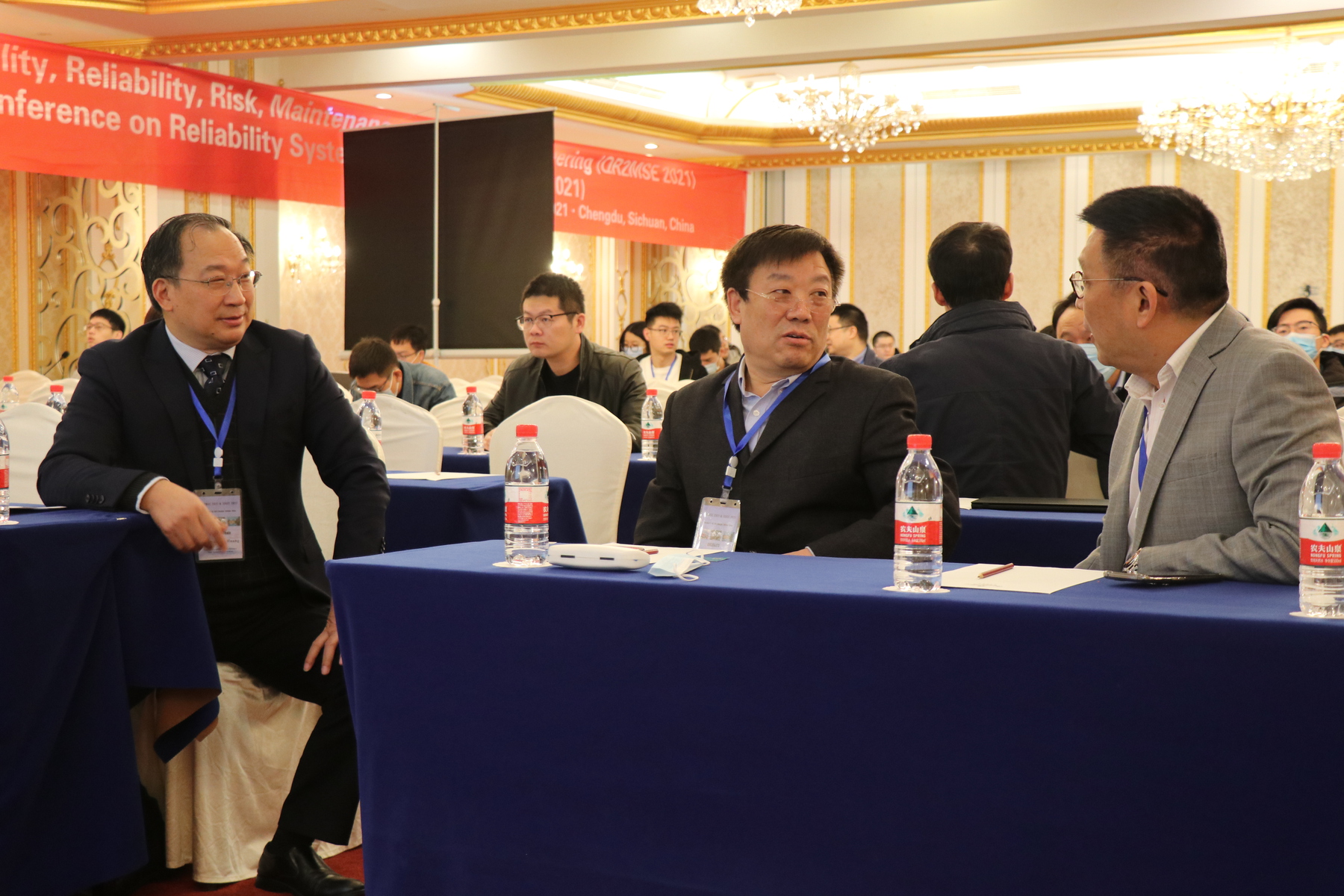
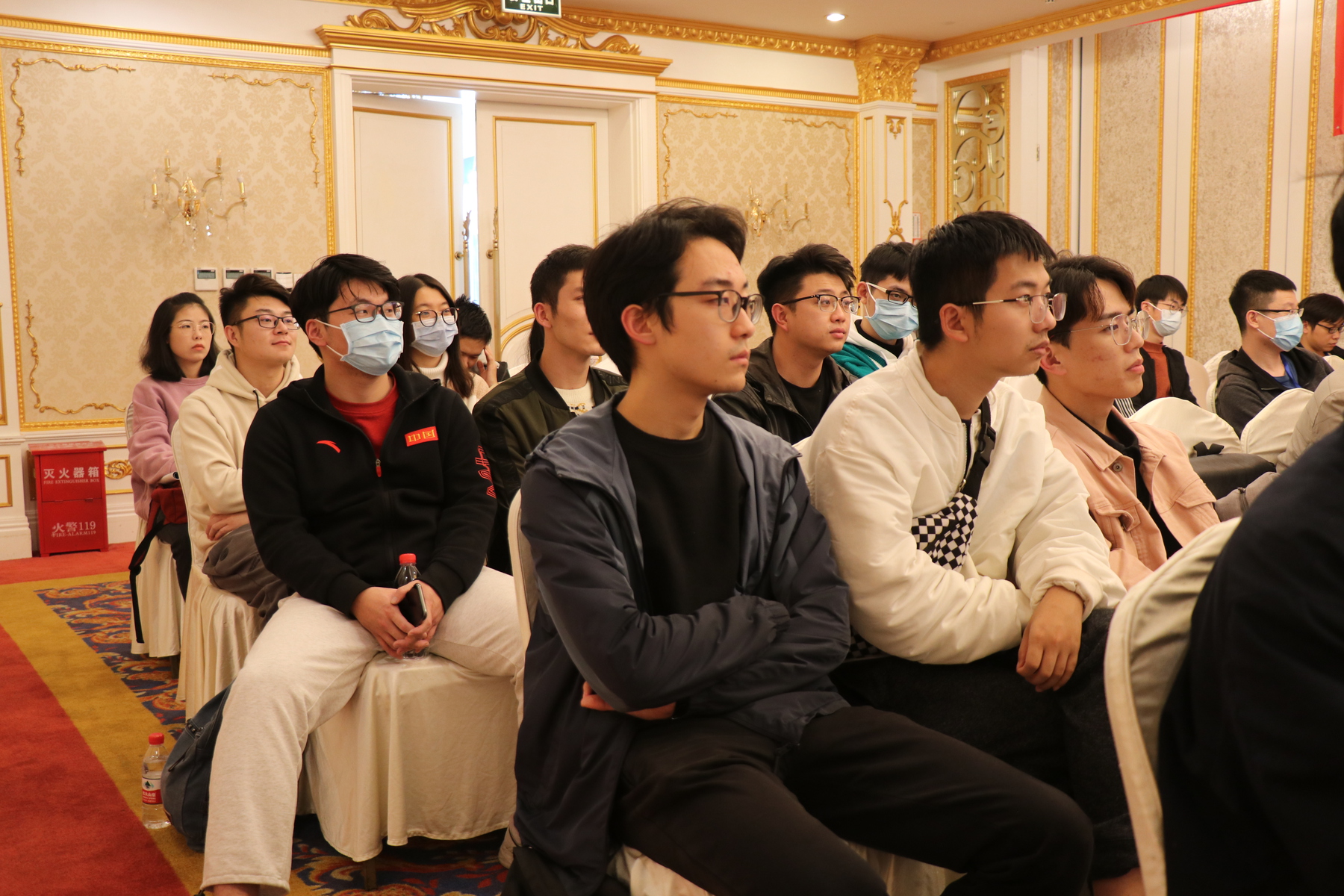
The afternoon of October 27, 2021 (registration)
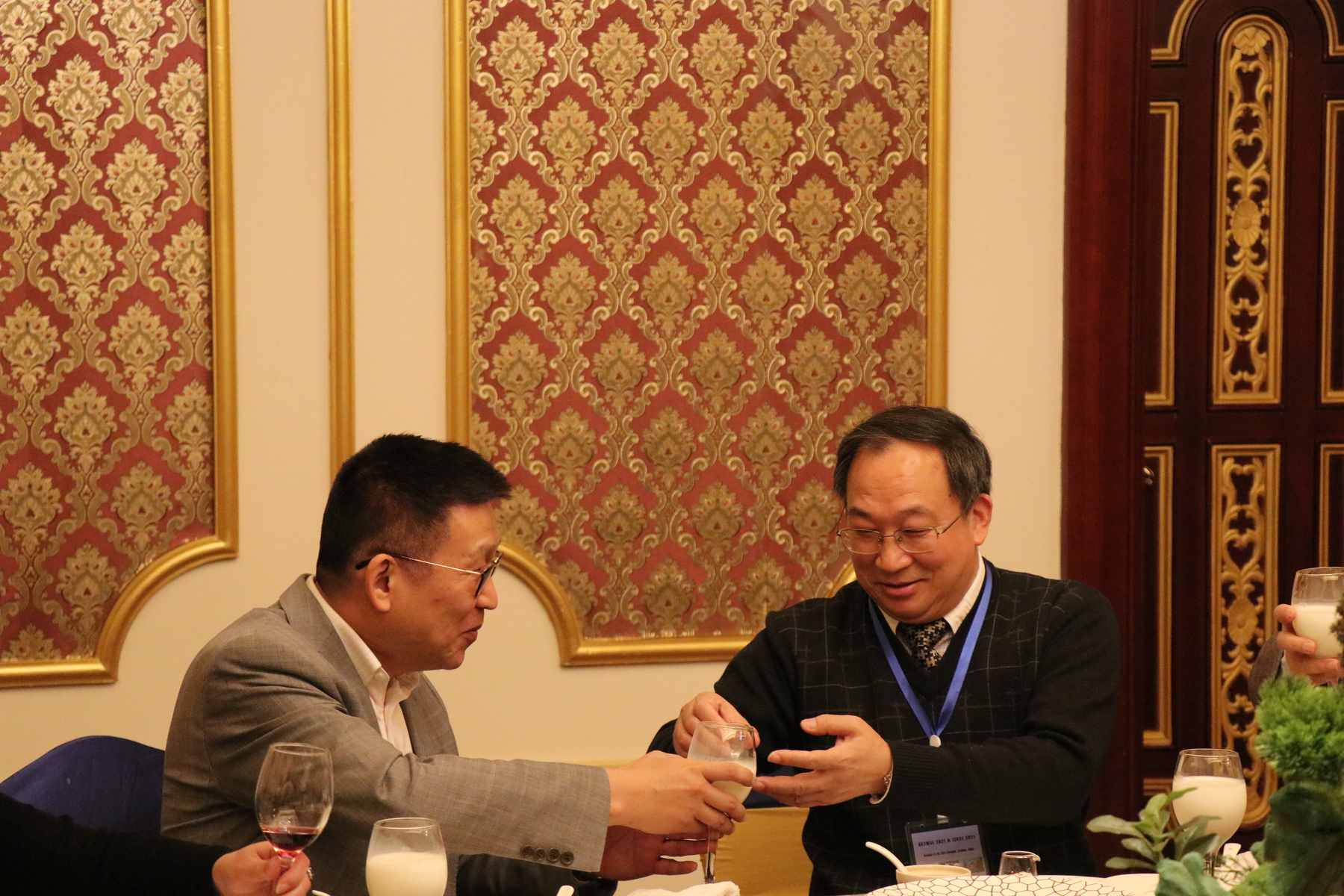
The morning of October 28, 2021 (Opening Ceremony & Keynote Speech 1 to 4)
The afternoon of October 28, 2021 (Oral Session A & B)
The morning of October 29, 2021 (Keynote Speech 5 to 8)
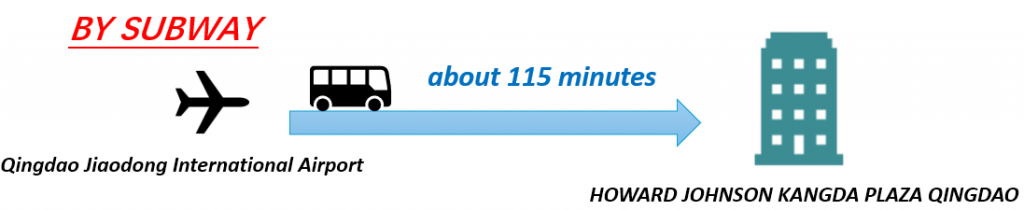
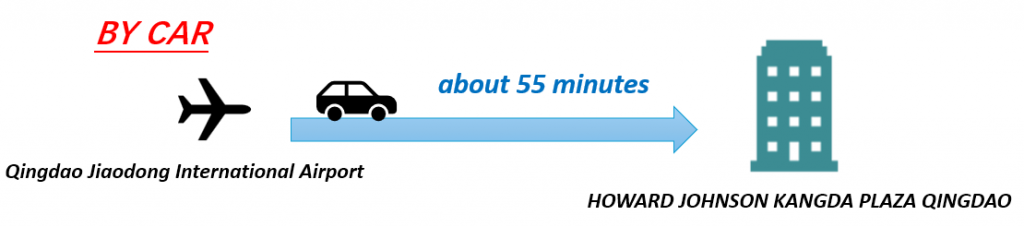
■ Qingdao Jiaodong International Airport Route
■ Qingdao Railway Station Route
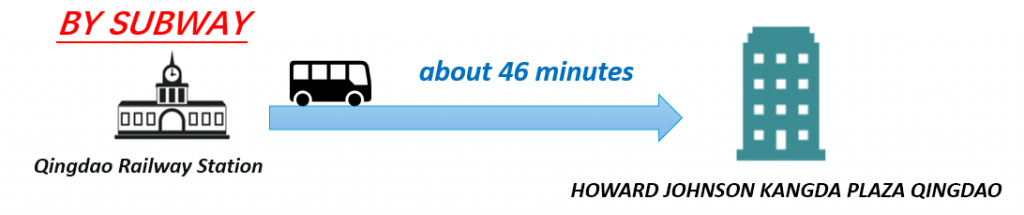
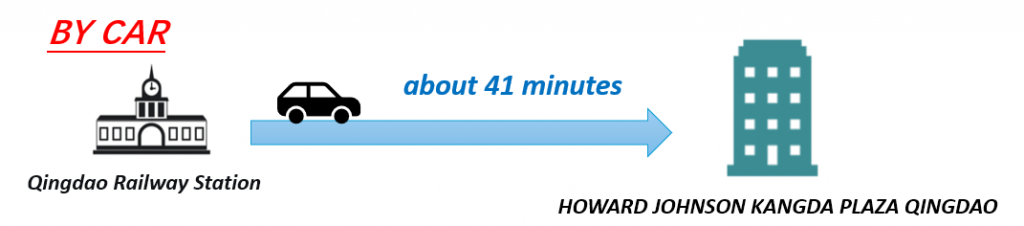
■ Qingdao West Railway Station Route
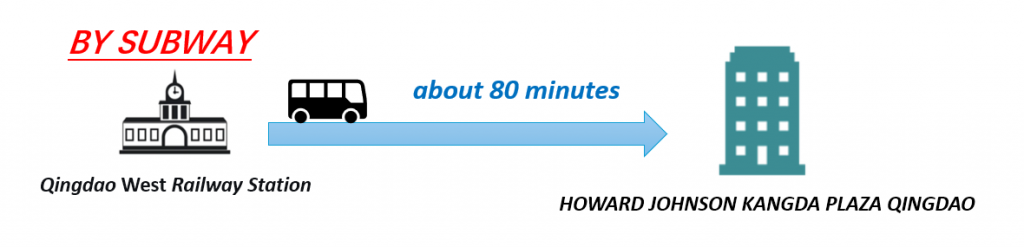
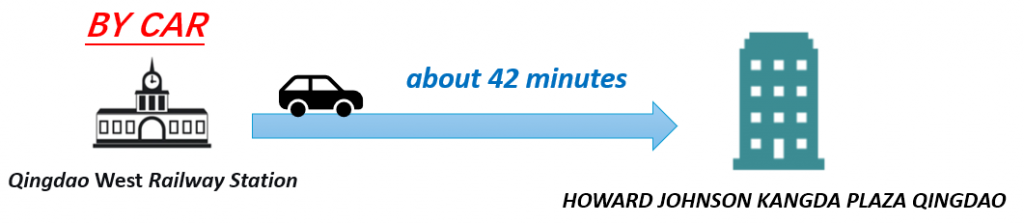
■ Subway Route
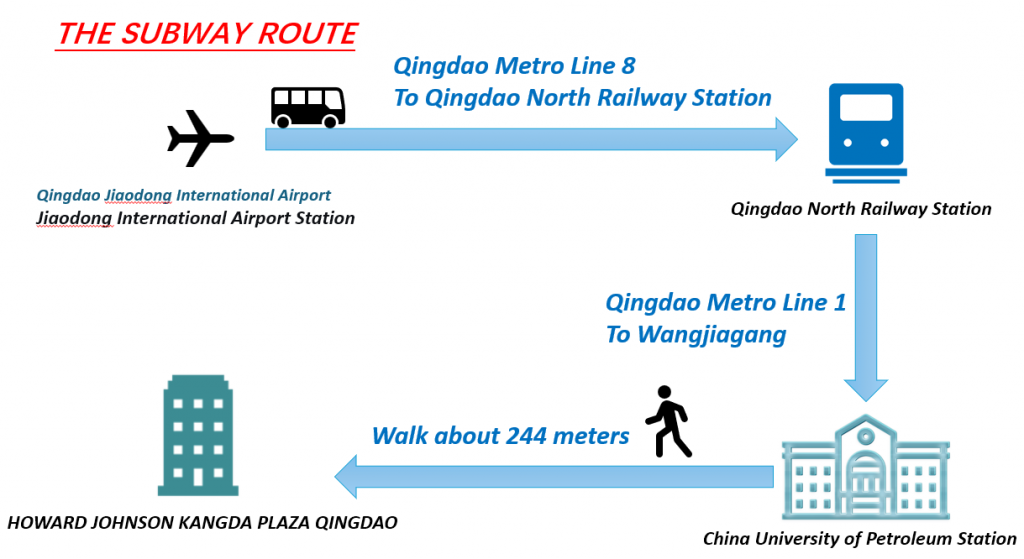
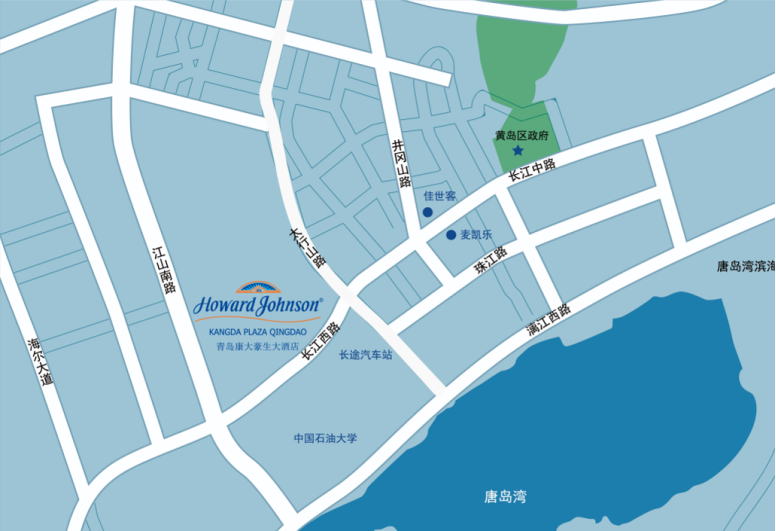
HOWARD JOHNSON KANGDA PLAZA QINGDAO (青岛康大豪生大酒店)
(青岛康大豪生大酒店(www.howardjohnsonqingdao.cn))
Tel:+86 157 5322 0273 (Manager Jiang 姜经理)

地址:山东省青岛市黄岛区长江西路159号
Address: No. 159 Changjiang West Road, Huangdao District, Qingdao, Shandong,China
| Room Type | Room Rate/ Per Night |
| Standard King Room | CNY 498 (About USD 74, including 1 breakfast). |
| Standard Twin Room | CNY 498 (About USD 74, including 2 breakfast). |
Please contact 205962398@qq.com for hotel booking with the following information:
Name of guest:
Check-in date:
Check-out date:
Type of room (Standard King Room-CNY 498; Standard Twin Room-CNY 498):
Contact (email and phone number):
To secure your booking, please book your hotel before 15 July 2026. For any cancellations, please inform the hotel by email before 19 July 2026.
Howard Johnson Kangda Plaza Qingdao enjoys a prime location in a bustling yet tranquil area with easy access to transportation. As one of the most popular luxury hotels in Qingdao, we warmly welcome all guests. Exclusive rates are available for online bookings.
Nestled in the commercial center of Qingdao Economic and Technological Development Zone, Howard Johnson Kangda Plaza Qingdao is an international chain hotel invested and built by Qingdao Kangda Group and managed by Howard Johnson International Hotels. Guests can admire the stunning 180° sea views of Tangdao Bay. The hotel is adjacent to China University of Petroleum and offers easy access to downtown Qingdao. Surrounding amenities include shopping malls, supermarkets, restaurants, office buildings and high-end apartments.
Our guest rooms combine stylish comfort and modern technology, presenting panoramic views of the sea, mountains and city scenery. A diverse selection of dining venues awaits you, including Howard Johnson Café, Jiahe Japanese Restaurant, Deli Shop, Quincy Bar, Phoenix Restaurant and Noble Bar, all serving exquisite cuisines and drinks.
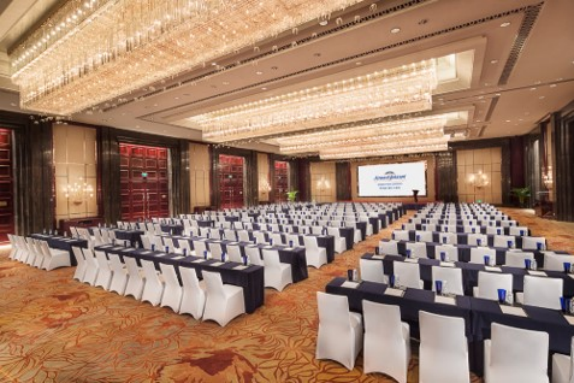
The hotel features a total banquet area of 1,200 square meters, consisting of an 820-square-meter pillar-free grand ballroom and six multi-functional meeting rooms of varying sizes, fully equipped to host meetings and events of all kinds.
On the third floor, you will find an indoor sunlit swimming pool, spa, fitness center and yoga studio, ideal for relaxation and rejuvenation. Upholding the brand philosophy “Exceeding Expectations, Creating Unforgettable Moments”, we strive to deliver distinguished and memorable hospitality to every guest.
Staying at Howard Johnson Kangda Plaza Qingdao, you will receive premium services and conveniently reach major commercial hubs and scenic spots across the city. We look forward to your reservation!

Qingdao is a sub-provincial city and a planned city in Shandong Province, serving as the political, economic, and cultural center of the Shandong Peninsula. Located on the southern coast of the Shandong Peninsula, bordering the Yellow Sea in the east, it is the core city of the Shandong Peninsula Urban Agglomeration and a key node city connecting the Bohai Rim Economic Circle and the Yangtze River Delta Economic Belt. As an important coastal open city in China, it is a vital bridge linking the Eurasian Continental Bridge and the maritime Silk Road, and a core hub for international trade and marine economic cooperation in northern China.
Qingdao is a national historical and cultural city with a unique blend of Chinese and Western civilizations and a profound historical heritage. It is an important tourist distribution center integrating coastal scenery, mountain landscapes, colonial architecture, and Taoist culture; the ruins of Dabaodao Chinese Street, which witnessed the integration of Chinese and foreign cultures in the early 20th century; Laoshan Mountain, a famous Taoist mountain known as the “No.1 Mountain on the Sea”; and historical sites such as the Zhanqiao Pier, which symbolizes the city’s maritime culture. It also boasts numerous cultural landmarks including the Tsingtao Beer Museum and the May Fourth Square, making it a popular destination for tourists from home and abroad.




Laoshan Scenic Area is located on the eastern coast of Qingdao, adjacent to the Yellow Sea in the east and surrounded by mountains and seas. The reason for its fame lies in its unique geographical location, integrating steep mountains, clear waters, and coastal scenery. The scenic area features diverse landforms such as peaks, canyons, waterfalls, and coastal cliffs, which not only provide a magical natural environment for Taoist practice but also offer visitors a stunning visual experience of “mountains embracing the sea and the sea reflecting the mountains”. After exploring the mountain trails, tourists can relax by the coastal beaches, listen to the waves, and taste authentic local farm dishes. This contrast between mountain adventure and coastal leisure meets both the desire for exploration and the need for relaxation. Taking the sightseeing bus, visitors can enjoy the “Three Wonders of Laoshan”—the sunrise over Jufeng Peak, the sea of clouds, and the rime in winter—while passing through ancient Taoist temples such as Taiqing Palace and Shangqing Palace, feeling the harmony between nature and religion up close. It only takes about 30 minutes by car from the conference hotel to the scenic area.




As Qingdao’s iconic landmark built in 1892, Zhanqiao Pier stretches 440 meters into Qingdao Bay, with the iconic Huilange Pavilion at its southern end—core of the “Flying Pavilion and Surging Waves” scenic spot, one of Qingdao’s top ten scenes. Walking along the pier, visitors can enjoy the Yellow Sea’s blue waves, distant Little Qingdao Island, and the old urban area’s red tiles and green trees. In winter and spring, flocks of seagulls hover for interaction, while ebbing tides reveal beaches for shell collecting. Adjacent to Zhongshan Road and Qingdao Railway Station, it combines coastal scenery with urban charm. It takes about 15 minutes by car from the conference hotel to the scenic area.


The aim of a special session/panel is to bring together researchers working on a specific topic of interests.
If you are interested in organizing a special session/panel, please send your proposal to the conference secretariat at icqrms@uestc.edu.cn as early as possible. The proposal should include the session/panel title, the scope and motivation of the session/panel, and the organizers and their brief CVs.
Both full papers and extended abstracts can be submitted to the conference and the special session should include more than 5 submissions.
If submitting to a special session/panel, please send a copy of the submission to the special session/panel chair(s), indicating paper ID.
Special Session #1. Reliability and Safety of Coastal and Offshore Infrastructures, by Zifei Xu (zifei.xu@liverpool.ac.uk), University of Liverpool, UK;Huanhuan Li(huanhuan.li@soton.ac.uk), University of Southampton, UK ; Zhongchi Liu(zhongchi.liu@centec.tecnico.ulisboa.pt), University of Lisbon, Portugal ; Xiangyu Kong(xiangyu.kong@centec.tecnico.ulisboa.pt), University of Lisbon, Portugal.
Special Session #2. Advanced Reliability and Safety Assessment of Marine and Offshore Structures, by Yunling Ye (yeyunling@whut.edu.cn), Wuhan University of Technology, China;Mengzhen Li(mengzhen.li@whut.edu.cn), Wuhan University of Technology, China; Yiheng Zhang(zhangyiheng@whut.edu.cn), Wuhan University of Technology, China; Ying Tang(2320236082@nue.edu.cn), Naval University of Engineering, China.
Special Session #3. AI-Enhanced Safety and Reliability Assurance for Nuclear Installations, by Jun Yang (youngjun51@hotmail.com), South China University of Technology, China;Guohua Wu(wugh09@163.com), Shenzhen Technology University, China; Bing Zhang(xiaohan1123@163.com), State Key Laboratory of Nuclear Power Safety Monitoring Technology and Equipmen, China; Zhihui Xu(xu_zhihui_cool@126.com), State Key Laboratory of Nuclear Power Safety Monitoring Technology and Equipment, China; Ming Yang(mingyang@szu.edu.cn), Shenzhen University, China; Hidekazu Yoshikawa(yoshikawa.hidekazu.37c@st.kyoto-u.ac.jp), Kyoto University, Japan; Takeshi Matsuoka(mats@cc.utsunomiya-u.ac.jp),Utsunomiya University, Japan.
Special Session #4. Life-Cycle Resilience of Civil Infrastructures under Climate Change, by You Dong ( you.dong@polyu.edu.hk), The Hong Kong Polytechnic University, Hong Kong, China;Hongyuan Guo(hong-yuan.guo@connect.polyu.hk), The Hong Kong Polytechnic University, Hong Kong, China.
Special Session #5. Reliability-centric Lifecycle Management for Marine and Offshore Assets, by Mingxin Li (m.li@bridge.t.u-tokyo.ac.jp), The University of Tokyo, Japan;Depeng Liu(liudepeng@cup.edu.cn), China University of Petroleum, China; Haoran Ye(yehr@dlmu.edu.cn), Dalian Maritime University, China; Chenfeng Huang(chenfengh@dlmu.edu.cn), Dalian Maritime University, China; Yu Sun(sunyu9@hrbeu.edu.cn), Harbin Engineering University, China.
Special Session #6. Data-driven reliability analysis for in-service infrastructures, by Yi Zhang (zhang_yi@seu.edu.cn), Southeast University, China; Zhaohui Lu(luzhaohui@bjut.edu.cn), Beijing University of Technology, China; Peipei Li(li.peipei@bjut.edu.cn), Beijing University of Technology, China; Yide Zheng(zhengyd25@szu.edu.cn), Shenzhen University, China.
Special Session #7. Physics-Informed AI for Reliability Engineering and Intelligent Maintenance, by Zhen Chen ( chenzhendr@sjtu.edu.cn), Shanghai Jiao Tong University, China; Tangbin Xia(xtbxtb@sjtu.edu.cn), Shanghai Jiao Tong University, China; Ershun Pan( pes@sjtu.edu.cn), Shanghai Jiao Tong University, China.
Special Session #8. Synergistic AI and Advanced Modeling for Quality, Reliability, Maintainability, and PHM: Integration and Aggregation, by Cheng-Geng Huang (cheng-geng.huang@uestc.edu.cn), University of Electronic Science and Technology of China, China; Xiangyu Li(xiangyuli@tyut.edu.cn), Taiyuan University of Technology, China; Junyu Guo(junyguo@swpu.edu.cn), Southwest Petroleum University, China; Xianhui Yin(qsyinxianhui@qdu.edu.cn), Qingdao University, China; Zhaomin Zhang(zzmin@cauc.edu.cn), Civil Aviation University of China, China.
Special Session #9. Korean Research Activities in Physics-Based Reliability and Safety Assessment, by Nam-Su Huh (nam-su.huh@seoultech.ac.kr), Seoul National University of Science and Technology, Korea; Sungjin Yang(sjyang@keti.re.kr), Korea Electronics Technology Institute, Korea; Jongrak Choi(jchoi@keti.re.kr), Korea Electronics Technology Institute, Korea.
Special Session #10. Korean Research Activities in AI-Based Prognostics and Health Management, by Jongseong Brad Choi (jongseong.choi@stonybrook.edu), The State University of New York, Korea; Dong-Won Lim(dwlim@suwon.ac.kr), The University of Suwon, Korea; Hongyun So(hyso@hanyang.ac.kr), Hanyang University, Korea; JongWoon Kim(jwkim@nemosys.kr), Nemosys Co., Ltd., Korea.
Special Session #11. Warranty and Maintenance, by Professor Dae-Kyung Kim (dkkim@jbnu.ac.kr), Chonbuk National University, Korea.
Zhen He, PhD, Chair Professor,
Dean of the College of Management and Economics
Tianjin University, Tianjin, China
Title: Quality Management Innovation Empowered by AI
Time: July 22-25, 2026
Abstract: With the advancement of intelligent technologies such as large language models, the Internet of Things (IoT), and sensors, artificial intelligence (AI) has entered a new stage of rapid development. AI is reshaping the paradigm of quality management, bringing both opportunities and challenges to quality science research. This report proposes a pathway for the intelligent transformation of quality management based on the application logic of digitalization, networking, platform , informatization, knowledge, and intelligence. It analyzes how AI technologies empower quality management across design quality, process quality, supply chain quality, and service quality, and presents commercial application cases. The report discusses several critical issues in the application of AI to quality management, including data quality, data integration, model trustworthiness, leadership, and change management, and identifies new research topics urgently needed for quality management in the context of intelligent manufacturing. Finally, it analyzes the relationship between quality and innovation, proposing that in the intelligent manufacturing context, the integration and convergence of quality and innovation warrant in-depth investigation at both theoretical research and industrial application levels.
Biography:
Dr. Zhen HE is a Chair Professor and Dean of the College of Management and Economics, Tianjin University. He is a Chang Jiang Scholarship Distinguished Professor of the Ministry of Education and recipient of the NSFC Distinguished Young Scientist Project. He is also an Academician of the International Academy for Quality (IAQ Academician), Fellow and Council Member of the Asia Pacific Industrial Engineering and Management Society (APIEMS). Zhen He is mainly engaged in teaching and research in the fields of quality management and quality engineering with more than 200 papers published in SCI/SSCI journals. He has led 3 key projects and 4 general projects of the National Natural Science Foundation of China, as well as 2 international cooperation projects. His research achievements have won 3 first prizes and 5 second prizes at the provincial and ministerial level. He serves as an Area Editor of the international journal Computers and Industrial Engineering, and Editorial Board Member of several journals including International Journal of Lean Six Sigma. He has provided quality management consulting, training, or project cooperation for more than 50 enterprises including Huawei, Midea, Haier, Baosteel, TISCO.
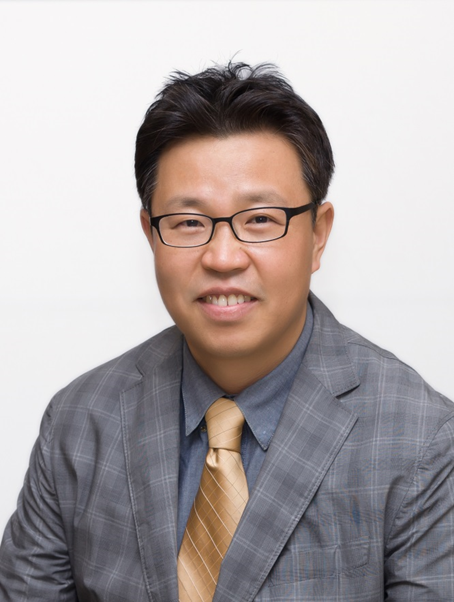
Prof. Suk Joo Bae, PhD, Professor,
Director in Intelligent Bigdata Center
Department of Industrial Engineering, Hanyang University, Korea
Title: Data-Driven Reliability Prediction for Fuel Cell Systems
Time: July 22-25, 2026
Abstract: Fuel cells (FCs) have received much attention as potential alternatives to current battery technologies for electronic vehicles and energy storage systems in terms of their safe applications. The state-of-art FCs have had a difficulty in commercialization in terms of reliability and cost. To improve reliability of FCs, I will present degradation models for FCs under various environment conditions and reliability prediction methods through accelerated degradation testing. Reliability evaluation techniques are mainly based on statistical and AI-based degradation modeling of the FCs. New reliability issues for fuel cells are also discussed in keynote speech.
Biography:
Prof. Suk Joo Bae is a Professor in Hanyang University, Seoul, Republic of Korea. He was a Provost in Graduate School at Hanyang University, 2021-2023. Prof. Bae received his PhD. from the ISyE Department at Georgia Tech, 2003. He was the Editor-in-Chief of Journal of the Korean Society for Quality Management, The Journal of Applied Reliability, and the Associate Editor of IEEE Transactions on Reliability, Informs Journal on Data Science. He is currently the Associate Editor in IISE Transactions DSQR Department, editorial board in ASCE-ASME Journal of Risk and Uncertainty in Engineering Systems, Part A: Civil Engineering from 2022. He is currently the President of Korea Reliability Society and he was a President, Korean Society for Prognostics and Health Management (PHM), 2023. Prof. Bae has published more than 100 journal papers including Technometrics, Journal of Quality Technology, Reliability Engineering & System Safety, IISE Transactions, and IEEE Transactions on Reliability, Mechanical Systems and Signal Processing.
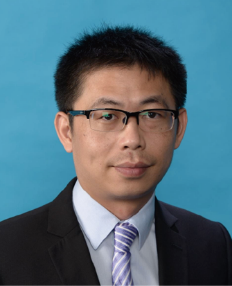
Zhisheng Ye, PhD, Dean’s Chair Professor,
Department of Industrial Systems Engineering & Management
National University of Singapore
Title: Optimal Abort Policy for Mission-Critical Systems under Imperfect Condition Monitoring
Time: July 22-25, 2026
Abstract: While most on-demand mission-critical systems are engineered to be reliable to support critical tasks, occasional failures may still occur during missions. To increase system survivability, a common practice is to abort the mission before an imminent failure. We consider optimal mission abort for a system whose deterioration follows a general three-state (normal, defective, failed) semi-Markov chain. The failure is assumed self-revealed, while the healthy and defective states have to be predicted from imperfect condition monitoring data. Due to the non-Markovian process dynamics, optimal mission abort for this partially observable system is an intractable stopping problem. For a tractable solution, we introduce a novel tool of Erlang mixtures to approximate non-exponential sojourn times in the semi-Markov chain. This allows us to approximate the original process by a surrogate continuous-time Markov chain whose optimal control policy can be solved through a partially observable Markov decision process (POMDP). We show that the POMDP optimal policies converge almost surely to the optimal abort decision rules when the Erlang rate parameter diverges. This implies that the expected cost by adopting the POMDP solution converges to the optimal expected cost. Next, we provide comprehensive structural results on the optimal policy of the surrogate POMDP. Based on the results, we develop a modified point-based value iteration algorithm to numerically solve the surrogate POMDP. We further consider mission abort in a multi-task setting where a system executes several tasks consecutively before a thorough inspection. Through a case study on an unmanned aerial vehicle, we demonstrate the capability of real-time implementation of our model, even when the condition-monitoring signals are generated with high frequency.
Biography:
Dr. Ye received a joint B.E. in Material Science & Engineering, and Economics from Tsinghua University. He received a Ph.D. degree from National University of Singapore. He is currently a Professor and Dean’s Chair in the Department of Industrial Systems Engineering & Management at National University of Singapore. His research interests include industrial statistics, reliability engineering, and data-driven operations management. His work has been published in flagship journals in statistics, reliability, and operations management, including Bernoulli, Biometrics, Biometrika, JASA, JMLR, JRSS-B, JRSS-C, Technometrics, JQT, IEEE Trans, IJOC, IISE Trans, MSOM, OR, and POMS.
Zhigang Tian, PhD, Professor
Department of Mechanical Engineering
University of Alberta, Canada
Title: Predictive maintenance optimization considering dependency and monitoring strategies
Time: July 22-25, 2026
Abstract: By utilizing condition monitoring and prediction information, predictive maintenance optimization aims to optimize maintenance and inspection activities to reduce costs, prevent failures and extend asset lives. This talk presents predictive maintenance optimization methods considering economic dependency among components, as well as component criticality. Prognostic information is modeled given that not all components are continuously monitored. Simulation based cost evaluation methods are introduced. Applications to manufacturing systems and wind power systems are presented.
Biography:
Zhigang Tian is a professor in the Department of Mechanical Engineering at the University of Alberta, Canada. He received B.Sc. and MSc. degrees from Dalian University of Technology, China, in 2000 and 2003, respectively, and Ph.D. degree from the University of Alberta in 2007. His research is focused on predictive maintenance, reliability, asset management, wind energy, pipeline integrity, etc. He is Fellow of the International Society of Engineering Asset Management (ISEAM).
Tieling Zhang, PhD, Professor
Director of the Engineering Asset Management and Systems Engineering Research Group
University of Wollongong, Australia
Title: Big Data Analytics for Energy Pipeline Integrity Management: Advances, Challenges, and Future Directions
Time: July 22-25, 2026
Abstract:
Oil and gas are the primary energy resources that supply over 50% of the world’s energy today. Energy pipelines are critical infrastructure that transmit these resources and refined products from production sites to refineries, distribution centers and end users. These pipelines traverse thousands of kilometers across diverse topographies and climatic conditions. Every year, billions of dollars are invested to ensure the safe, reliable, and efficient delivery of oil and gas to consumers, as pipeline failures can cause long-term environmental damage, costly cleanups, and significant reputational harm. Therefore, ensuring the structural and operational integrity of pipelines is not only a matter of economic interest but also a key environmental and safety concern. To guarantee the safe, reliable, and efficient operation of pipelines, effective pipeline integrity management is required. This is achieved through an integrated approach that combines risk management, engineering practices, and operational procedures across the entire pipeline lifecycle. In essence, pipeline integrity management ensures that pipelines operate as intended without posing undue risks to humans, the environment, and/or the energy supply chain.
In energy pipeline day to day operations, enormous amounts of data have been continuously collected. The availability of large amounts of data has enabled the development of analytical tools that integrate advanced techniques and methods for condition prediction and operational decision-making. These tools are crucial for assessing pipeline’s condition, preventing unwarranted failures, and enhancing both asset performance and availability. Big data analytics allows energy companies to shift toward a proactive approach to condition assessment. By integrating real-time data from embedded sensors, environmental conditions, and historical maintenance records, operators can detect potential issues and predict anomalies before they escalate. Hence, this invited talk provides an overview of big data analytics applications within energy pipeline integrity management. It covers the definition of big data in this context, as well as techniques for data collection, data management, and data modeling for condition assessment and decision-making in pipeline operations. The research gaps and challenges are outlined, and recommendations for future research are provided, culminating in a proposed conceptual framework for the adoption of big data analytics in the oil and gas pipeline industry.
The integration of big data analytics into pipeline integrity management systems (PIMS) represents a transformative approach, enabling advanced monitoring, data-driven predictive maintenance, and improved risk management in the energy pipeline sector.
Biography:
Tieling Zhang is the Director of the Engineering Asset Management and Systems Engineering Research Group at the Faculty of Engineering and Information Sciences, University of Wollongong, to conduct teaching and research in systems and reliability engineering with a focus on system modeling, fault diagnosis and prediction, reliability engineering, and engineering asset management. He received a PhD in Engineering from Tokyo University of Marine Science and Technology in 2001 and has extensive industrial and academic experience in reliability and maintenance engineering, health prognostics, and system and process optimization. He has published over 130 research papers in peer-reviewed journals and international conference proceedings, 10 book chapters, and 2 books. He holds 6 patents (the US, China & EU) with 6 others published and pending for grant. He serves as an editorial board member (i.e. academic editor) for three international journals and as a reviewer for over 50 international journals. He serves as Guest Editor for three special issues: “Machine Learning for Predictive Maintenance”, “Machine Learning Approaches for Prediction and Decision Making”, and “Blockchain, Technology and Its Application”. These special issues have been published in the journals Machines and Information, both indexed in the Web of Science. As a team leader, program leader, or project leader, he has completed over 15 major research projects funded by government agencies and industry, with total funding exceeding AUD 7.0 million. These projects span multiple sectors, including data storage, wind energy, railway, battery energy storage, and energy pipelines. He received 3 best paper awards from three prestigious international conferences and 1 IPR award from Vestas Global Research and Innovation. His current research focuses on: (1) fault diagnostics for condition monitoring of wind turbines; (2) battery health management using deep-learning-based condition assessment; (3) risk assessment and operation management of hydrogen transportation systems; and (4) condition prediction for energy pipelines using machine learning and big data analytics.
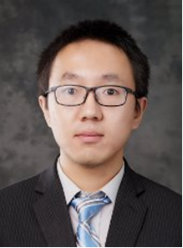
Zequn Wang, PhD, Chair Professor
Associate Dean of School of Mechanical and Electrical Engineering
University of Electronic Science and Technology of China
Title: Emerging AI Methods for Reliability-Based Design Optimization: From Surrogate Modeling to Intelligent Design
Time: July 22-25, 2026
Abstract: Reliability-Based Design Optimization (RBDO) plays a central role in engineering design by seeking optimal solutions while explicitly accounting for uncertainty, variability, and failure risk. Despite its importance, conventional RBDO remains computationally demanding because it often requires repeated reliability assessments coupled with high-fidelity simulations. Recent progress in artificial intelligence, particularly in machine learning and deep learning, is opening new possibilities for overcoming these limitations and enabling faster, more scalable, and more adaptive design strategies. This talk introduces emerging AI methods for RBDO, with a focus on surrogate modeling, active learning, uncertainty quantification, and generative design exploration. It will highlight how advanced models such as Gaussian process regression, deep neural networks, physics-informed learning approaches, and multi-fidelity frameworks can improve computational efficiency while preserving accuracy in complex and high-dimensional problems. Selected examples from engineering design will be used to demonstrate how these methods support more reliable and intelligent decision-making. The talk will also explore future trends in the field, including hybrid physics-AI methods, LLMs, generative design, and autonomous optimization workflows. The presentation aims to provide a forward-looking perspective on how AI is reshaping RBDO from surrogate-assisted analysis toward intelligent design systems.
Biography:
Dr. Zequn Wang is a Professor of Mechanical Engineering and Associate Dean at the University of Electronic Science and Technology of China (UESTC). Before joining UESTC, he was an Assistant Professor in the Department of Mechanical Engineering–Engineering Mechanics at Michigan Technological University and a Postdoctoral Research Fellow in the Department of Mechanical Engineering at Northwestern University. Dr. Wang received his B.E. in 2006 and M.S. in 2009, both in Mechanical Engineering, from the University of Science and Technology Beijing, China. He earned his Ph.D. in Industrial Engineering from Wichita State University in 2014. Dr. Wang’s research focuses on developing advanced machine learning and deep learning methods for reliability-based design under uncertainty, as well as failure diagnostics and prognostics for safety-critical engineered systems. He serves as Review Editor for the Journal of Structural and Multidisciplinary Optimization and as Associate Editor for ASME VVUQ. He was a recipient of the Overseas Excellent Young Scholars award in 2023. He is also a member of the Institute of Industrial Engineers (IIE), the American Society of Mechanical Engineers (ASME), and the American Institute of Aeronautics and Astronautics (AIAA).
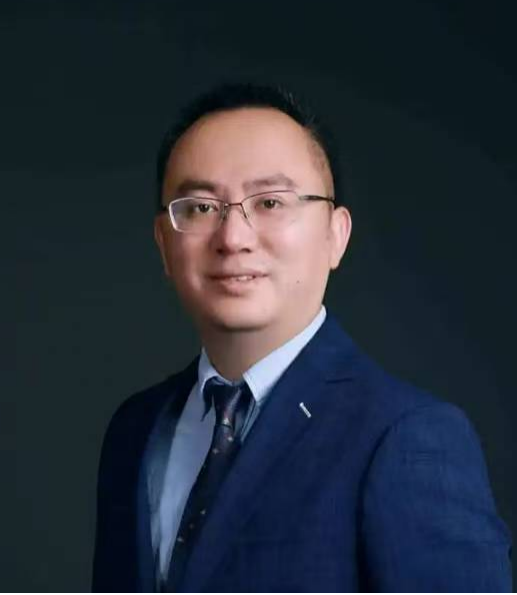
Dr. Zhaoyang Zeng, PhD
Chief Technology Officer (CTO)
China Aero-Polytechnology Establishment, Beijing, China
Title: The Evolving Paradigm of Reliability Engineering for Complex Systems: A Review from an Uncertainty Control Perspective
Time: July 22-25, 2026
Abstract: Traditional reliability engineering is facing a fundamental crisis as aerospace systems transition toward software-intensive and autonomous architectures. This paper reviews the historical evolution of reliability through three distinct stages: the Statistical, Physics-of-Failure, and Prognostics Eras. It argues that these failure-centric frameworks are inadequate for managing the “unknown unknowns” and epistemic uncertainties inherent in modern complex systems. To address this gap, the study advocates for a paradigm shift toward the Resilience Era. Grounded in Safety-II principles, this new approach redefines the objective from minimizing failure rates to ensuring system survival under unforeseen perturbations. By transitioning from passive Uncertainty Quantification (UQ) to active Uncertainty Control (UC), the paper proposes architectural strategies such as System-Theoretic Process Analysis (STPA) and Run-Time Assurance (RTA). Finally, it defines the role of the System Resilience Architect in designing adaptive, safety-bounded autonomous systems.
Biography:
Dr. Zhaoyang Zeng is the CTO of China Aero-Polytechnology Establishment (CAPE). He has conducted extensive and pioneering systematic research in maintainability and supportability analysis, maintenance support decision-making, and effectiveness evaluation. His work has significantly advanced the innovation of equipment maintenance theories, management models, and digitalization, making vital contributions to the development of maintenance and effectiveness. Throughout his distinguished career, Dr. Zeng has received numerous prestigious honors, including the National Defense Science and Technology Progress Award and the Aviation Science and Technology Progress Award. He has published over 30 scientific papers, holds 10 authorized invention patents, and has authored or translated four monographs. Additionally, he has led or contributed to the development of more than 10 National Military Standards (GJB). Dr. Zeng also holds several prominent leadership roles within the defense and industrial sectors, serving as the Deputy Head of the Equipment Maintenance Management Professional Group and a member of the Equipment Maintenance Technology Professional Group under the Equipment Development Department of the Central Military Commission. Furthermore, he is a member of the Civil Aircraft Operational Support Professional Group of the Ministry of Industry and Information Technology, a member of the National Industrial Foundation Expert Committee.
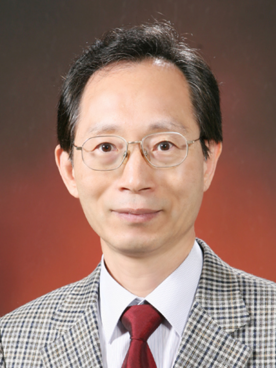
Soon-Bok Lee, PhD, Professor Emeritus
Department of Mechanical Engineering
Korea Advanced Institute of Science and Technology, Daejeon, Korea
Title: From Reliability to Responsibility: Safeguarding Humanity in the Age of AGI
Time: July 22-25, 2026
Abstract:
Over the past decades, the reliability community has made remarkable progress in ensuring the safety and performance of complex engineered systems. These advances have been enabled by strong collaboration across academia, industry, and regulatory bodies, together with the systematic accumulation of failure knowledge and engineering experience.
However, the emergence of artificial intelligence—especially the path toward artificial general intelligence (AGI)—is not merely an extension of existing systems, but a fundamental break from them. Systems are becoming increasingly autonomous, adaptive, and opaque, challenging the foundational assumptions of reliability, risk, and safety engineering.
In traditional engineered systems, failures have typically been local, bounded, and manageable. In contrast, AGI-driven systems introduce a fundamentally different class of risk. The primary concern is no longer mechanical or functional failure, but misalignment with human values—where even small deviations can scale rapidly across highly interconnected systems, leading to systemic, large-scale, and potentially irreversible consequences.
This shift demands more than incremental improvement; it requires a redefinition of the mission of reliability engineering. In the age of AGI, the field must evolve:
Reliability engineering must now address not only how systems fail, but whether they continue to serve human intentions, ethical principles, and societal well-being.
Ultimately, the challenge before us is not only technical, but moral. The mission of reliability engineering is no longer confined to making systems dependable—it is to ensure that increasingly intelligent systems remain aligned with humanity.
Biography:
Dr. Soon-Bok Lee is Professor Emeritus in the Department of Mechanical Engineering at the Korea Advanced Institute of Science and Technology (KAIST), and a distinguished leader in reliability and safety engineering. He received his Ph.D. in Mechanical Engineering from Stanford University in 1980.
Over the past four decades, Dr. Lee has made seminal contributions to the science and engineering of reliability, with research spanning electronic packaging, fatigue and fracture, high-temperature structural systems, and thin-film and micro/nano-scale structures. He founded the Computer Aided Reliability Evaluation (CARE) Laboratory at KAIST, which was designated as a National Research Laboratory (NRL), and played a pivotal role in establishing reliability engineering as a foundational discipline for modern high-technology systems.
Dr. Lee has trained a generation of reliability engineers who now serve in leading roles across academia, national research institutes, and global industries. He has published over 200 papers in SCI-indexed journals and supervised more than 60 graduate students.
He has also demonstrated outstanding leadership in the professional community. He founded the Reliability Division of the Korea Society of Mechanical Engineers and served as its inaugural president. In addition, he served as Vice President of the Korea Reliability Society and chaired the Reliability Expert Committee of the Korea Agency for Technology and Standards.
Dr. Lee has contributed extensively to the global academic community as an editorial board member of leading journals and as General Chair of major international conferences, including EMAP 2001 and ICEM 2006. He also served as Ombudsperson of KAIST from 2019 to 2021.
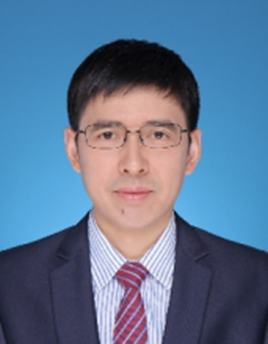
Ershun Pan, PhD, Professor
Head of Department of Industrial Engineering and Management
Shanghai Jiao Tong University, Shanghai, China
Title: Intelligent Technology and Application for High-End Equipment Health Management
Time: July 22-25, 2026
Abstract: Industrial big data serves as a crucial carrier for characterizing equipment performance evolution, operational behavior characteristics, and health status changes, and also forms the key foundation for advancing the upgrade of intelligent operation & maintenance and health management of high-end equipment. This report focuses on condition monitoring data, production operation data, and system-level multimodal data, systematically elaborating the intelligent theories, key technologies, and engineering application pathways for high-end equipment health management under the context of multi-source and multimodal information fusion. Drawing on typical scenarios such as Large Aircraft, Machine Tools, Port Equipment, and Steel Production Lines, it highlights data-driven fault diagnosis and prediction methods for equipment, intelligent operation & maintenance and control decision-making technologies that synergize production and maintenance, along with advances in large model-based health management agents, offering methodological reference and practical guidance for industrial intelligent health management.
Biography:
Prof. Pan is Head of Department of Industrial Engineering and Management, and Executive Dean of Chinese Institute for Quality Research, Shanghai Jiao Tong University. He is also Vice Chairmen of Chinese Industrial Engineering Institute of CMES, Vice President of China Machine Building Quality Management Association, and Managing Editor of “Industrial Engineering and Management” Journal. His research interests include Reliability Engineering and Maintenance Optimization, Quality Control Theories and Methods, and Production Operation Management. Prof. Pan has published over 100 papers in SCI journals, and edited the textbooks “Production Planning and Control” and “Reliability and Maintenance Management”. He has led over 40 projects, including 1 National Key Research and Development Program, and 5 general projects of the National Natural Science Foundation of China. His research and teaching achievements have earned him New Century Excellent Talents from Ministry of Education, the First Prize in Shanghai Scientific and Technological Progress, the First Prize in Quality Technology from the China Quality Association, and the First Prize in Shanghai Teaching Achievement, among others.
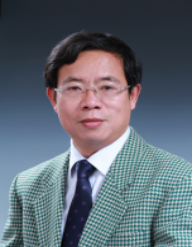
Donghua Zhou, PhD, Professor, IEEE Fellow
Southeast University, Nanjing, China
Title: Fault-tolerant control (FTC) of fully actuated systems
Time: July 22-25, 2026
Abstract: High-order fully actuated nonlinear systems are more suitable for controller design, because the whole structure is fully parameterized, and the nonlinearity can be decoupled. However, system faults may disrupt the nonlinear cancellation principle of fully actuated systems, thus fault -tolerant control (FTC) of high-order fully actuated systems need to be studied, which is a key technology to improve the safety and reliability of complex systems. This report gives the latest progress of my group on the FTC of high-order fully actuated systems, including both deterministic and stochastic systems.
Biography:
Donghua Zhou (Fellow, IEEE) received the B.Eng., M.Sc., and Ph.D. degrees in electrical engineering from Shanghai Jiao Tong University, Shanghai, China, in 1985, 1988, and 1990, respectively. He was an Alexander von Humboldt Research Fellow with the University of Duisburg, Duisburg, Germany, from 1995 to 1996, and a Visiting Scholar with Yale University, New Haven, CT, USA, from 2001 to 2002. He joined Tsinghua University, Beijing, China, in 1996, where he was promoted to Full Professor in 1997 and was the Head of the Department of Automation from 2008 to 2015. He is currently a Professor with Southeast University, Nanjing, China, and a Joint Professor with Shandong University of Science and Technology, Qingdao, China. He has authored or co-authored over 230 peer-reviewed international journal articles and nine monographs in the areas of fault diagnosis, fault-tolerant control, and operational safety evaluation. Dr. Zhou is a member of IFAC TC on SAFEPROCESS and a fellow of IET and the Chinese Association of Automation (CAA). He was the NOC Chair for the 6th IFAC Symposium on SAFEPROCESS 2006. He is an Associate Editor of the Journal of Process Control, the Vice Chair for CAA, and the TC Chair for the SAFEPROCESS Committee, CAA.

The Institution of Engineering and Technology

Reliability Division of the Korean Society of Mechanical Engineers

The Korean Reliability Society

Reliability Engineering Association of Japan
IEEE Reliability Society Japan Joint Chapter

European Safety and Reliability Association
International Society of Engineering Asset Management
Bernoulli Society for Mathematical Statistics and Probability

Korean Society for Prognostics and Health Management
Reliability Committee of Operations Research Society of China

Reliability Engineering Institution of Chinese Mechanical Engineering Society
Center for System Reliability and Safety, UESTC
University of Electronic Science and Technology of China
China University of Petroleum(East China)
Qingdao University of Technology
China University of Mining and Technology

Harbin Institute of Technology
Beijing Information Science and Technology University
GRG Metrology & Test Group Co., Ltd.

State Key Laboratory of Intelligent Mining Equipment Technology
Journal of Reliability Science and Engineering
Northwestern Polytechnical University
Chongqing Jiaotong University
Sichuan University of Science & Engineering
Jiangxi University of Science and Technology
Hunan University of Science and Technology
Inner Mongolia University of Technology
Chongqing University of Science and Technology
University of Shanghai for Science and Technology
Hunan Institute of Engineering
China Aero-Polytechnology Establishment

Qinda Technology Co., Ltd.

Sichuan Reliability Technology Company Limited