QR2MSE 2026
■ About Qingdao
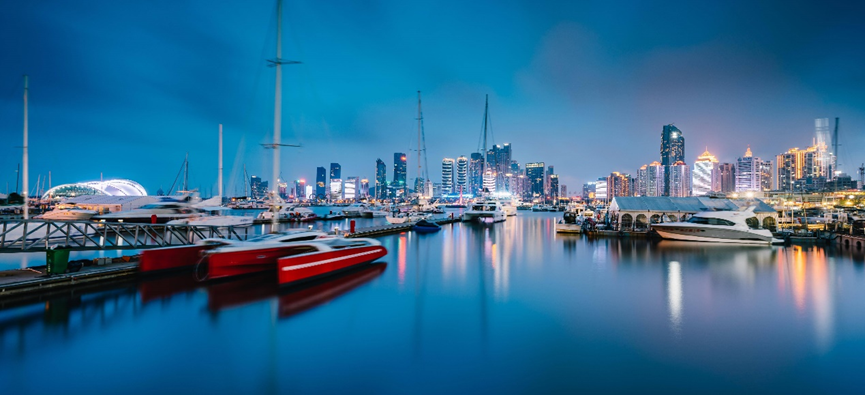
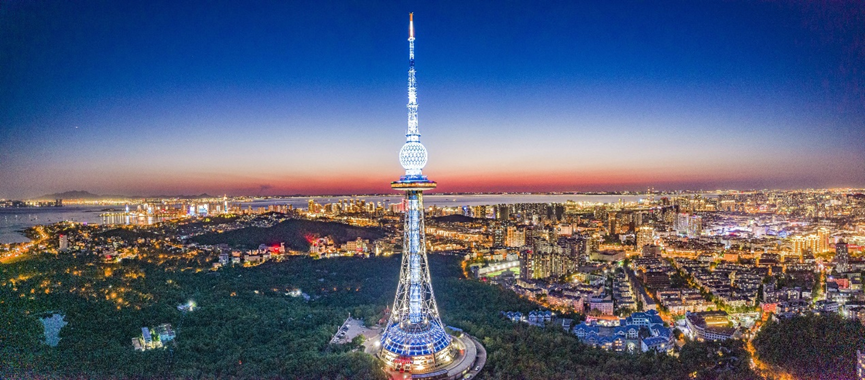
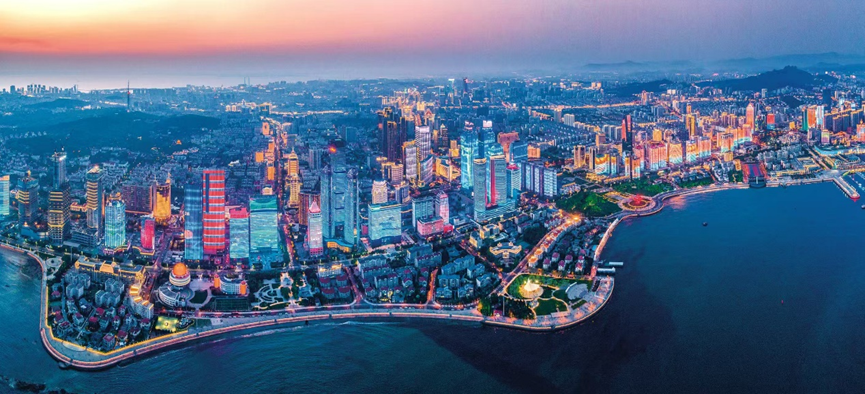
Qingdao is a sub-provincial city and a planned city in Shandong Province, serving as the political, economic, and cultural center of the Shandong Peninsula. Located on the southern coast of the Shandong Peninsula, bordering the Yellow Sea in the east, it is the core city of the Shandong Peninsula Urban Agglomeration and a key node city connecting the Bohai Rim Economic Circle and the Yangtze River Delta Economic Belt. As an important coastal open city in China, it is a vital bridge linking the Eurasian Continental Bridge and the maritime Silk Road, and a core hub for international trade and marine economic cooperation in northern China.
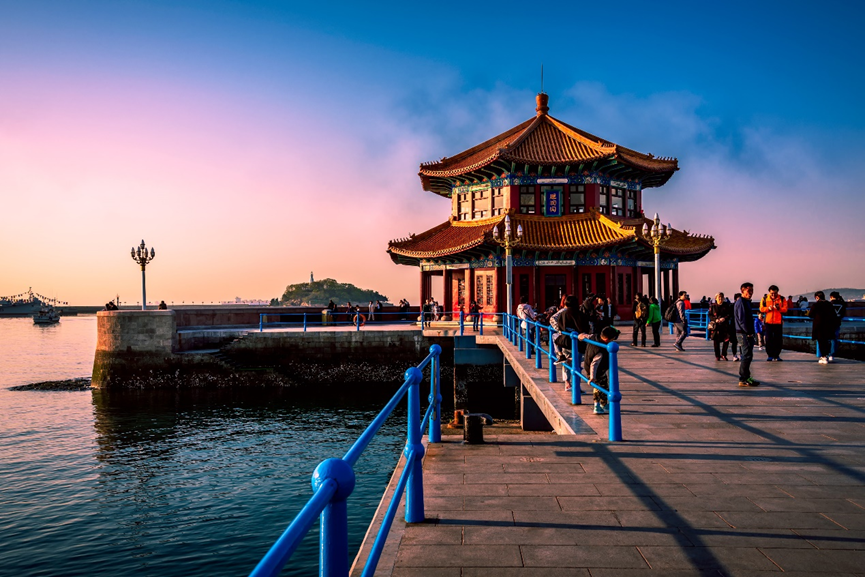
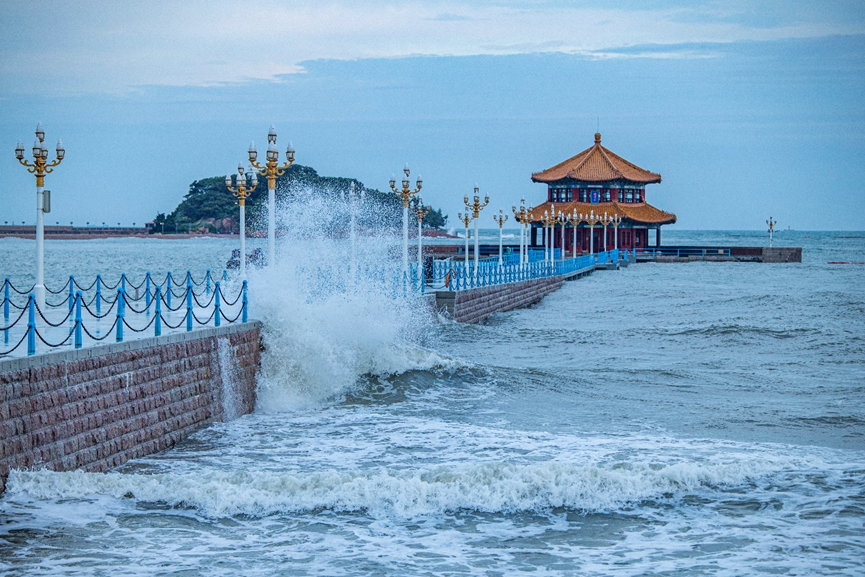
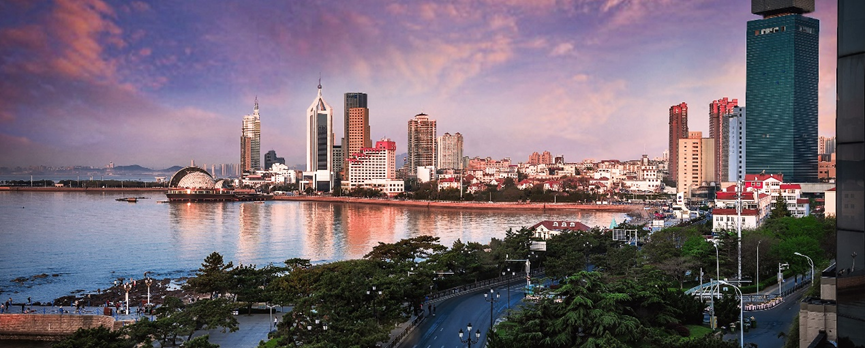
Qingdao is a national historical and cultural city with a unique blend of Chinese and Western civilizations and a profound historical heritage. It is an important tourist distribution center integrating coastal scenery, mountain landscapes, colonial architecture, and Taoist culture; the ruins of Dabaodao Chinese Street, which witnessed the integration of Chinese and foreign cultures in the early 20th century; Laoshan Mountain, a famous Taoist mountain known as the “No.1 Mountain on the Sea”; and historical sites such as the Zhanqiao Pier, which symbolizes the city’s maritime culture. It also boasts numerous cultural landmarks including the Tsingtao Beer Museum and the May Fourth Square, making it a popular destination for tourists from home and abroad.
■ About Tourism
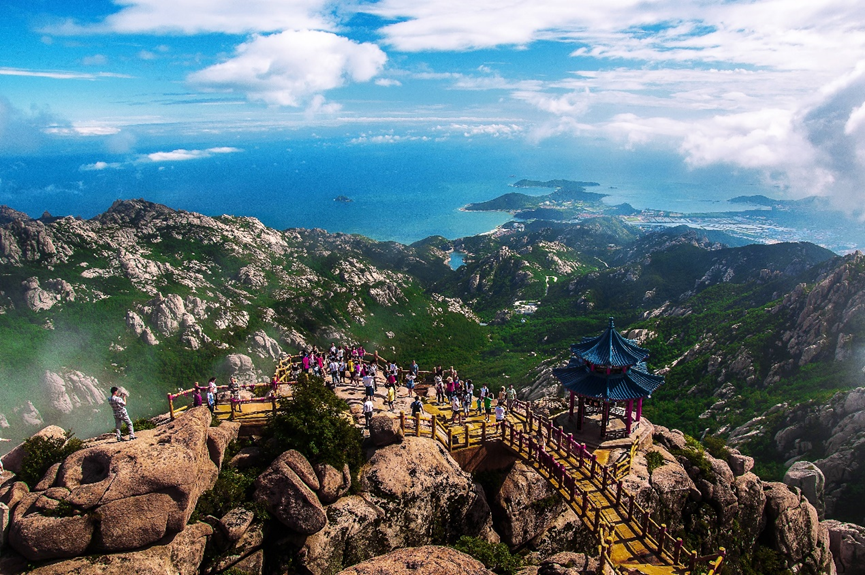
Laoshan Scenic Area
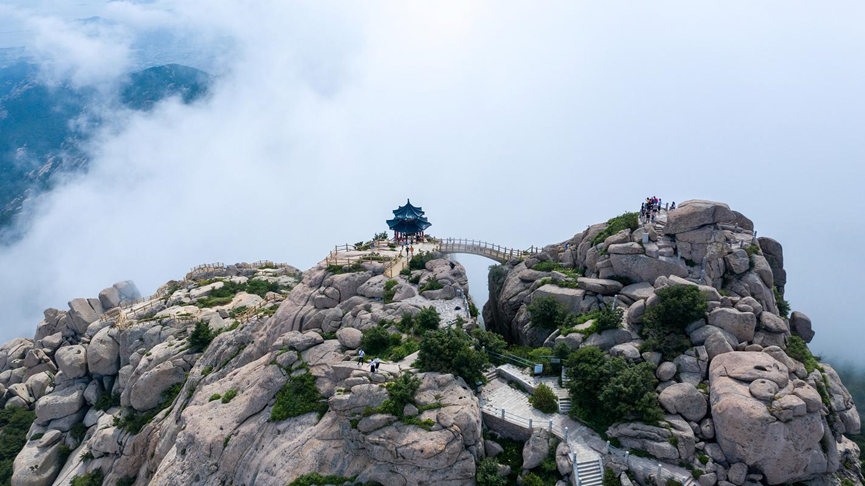
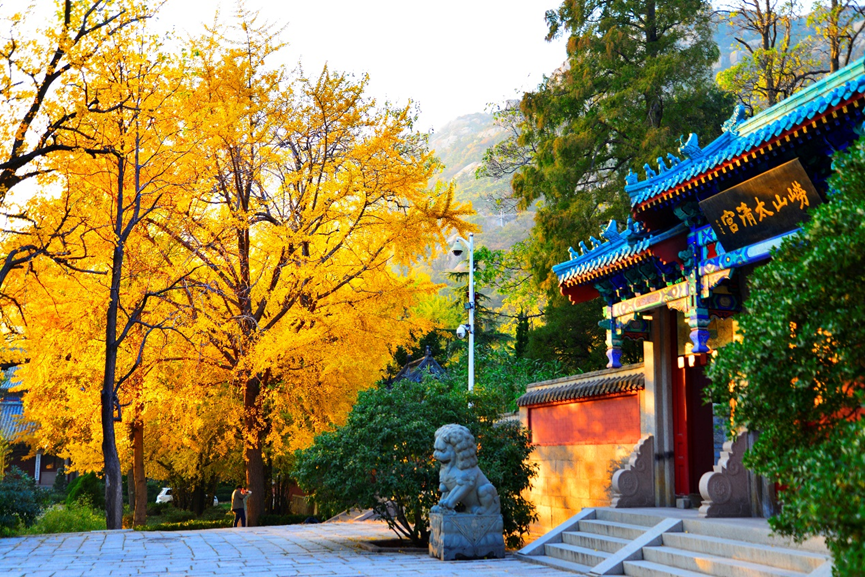
Laoshan Scenic Area is located on the eastern coast of Qingdao, adjacent to the Yellow Sea in the east and surrounded by mountains and seas. The reason for its fame lies in its unique geographical location, integrating steep mountains, clear waters, and coastal scenery. The scenic area features diverse landforms such as peaks, canyons, waterfalls, and coastal cliffs, which not only provide a magical natural environment for Taoist practice but also offer visitors a stunning visual experience of “mountains embracing the sea and the sea reflecting the mountains”. After exploring the mountain trails, tourists can relax by the coastal beaches, listen to the waves, and taste authentic local farm dishes. This contrast between mountain adventure and coastal leisure meets both the desire for exploration and the need for relaxation. Taking the sightseeing bus, visitors can enjoy the “Three Wonders of Laoshan”—the sunrise over Jufeng Peak, the sea of clouds, and the rime in winter—while passing through ancient Taoist temples such as Taiqing Palace and Shangqing Palace, feeling the harmony between nature and religion up close. It only takes about 30 minutes by car from the conference hotel to the scenic area.

The Zhanqiao Pier
As Qingdao’s iconic landmark built in 1892, Zhanqiao Pier stretches 440 meters into Qingdao Bay, with the iconic Huilange Pavilion at its southern end—core of the “Flying Pavilion and Surging Waves” scenic spot, one of Qingdao’s top ten scenes. Walking along the pier, visitors can enjoy the Yellow Sea’s blue waves, distant Little Qingdao Island, and the old urban area’s red tiles and green trees. In winter and spring, flocks of seagulls hover for interaction, while ebbing tides reveal beaches for shell collecting. Adjacent to Zhongshan Road and Qingdao Railway Station, it combines coastal scenery with urban charm. It takes about 15 minutes by car from the conference hotel to the scenic area.